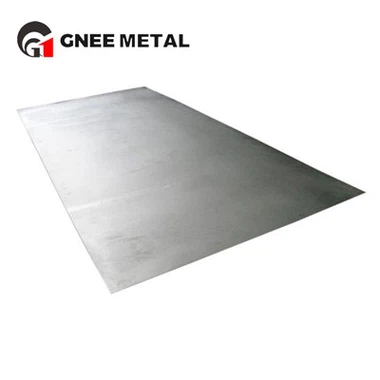
Titanium Steel vs Stainless Steel
Dec 17, 2025
What is Stainless Steel?

Stainless steel is an alloy steel, primarily composed of iron, chromium, and nickel. Its corrosion resistance stems from its chromium content and it is typically classified into three types: austenitic stainless steel, martensitic stainless steel, and ferritic stainless steel. 304 and 316 stainless steels are common types, widely used in industries such as construction, kitchenware, and automotive.
GNEE supplies stainless steel plates, strips, tubes, and bars in grades such as 304/316/310/430. Please inquire to confirm availability.
Welcome To Inquire And Confirm Stock
What is Titanium Alloy?

Titanium alloy is a lightweight metal with high strength and excellent corrosion resistance. Its density is about 4.5 g/cm³, which is about 60% of stainless steel, and its melting point is as high as 1668°C. The unique properties of titanium make it an important material in the aerospace, medical, and chemical fields.
GNEE also offers titanium alloy plates, strips, rods, and tubes (Ti-6Al-4V, Ti-5Al-2.5Sn, etc.). Please feel free to request a quote and technical specifications.
Request A Quote And Technical Specifications
Titanium Steel vs Stainless Steel: What Are Their Differences?
Titanium Steel vs Stainless Steel Chemical Composition:
| Material | Fe | C | O | N | Cr | Ni | Mn | P | S |
| 304 Stainless Steel | 0.02% | 0.08% | 0.03% | 0.10% | 18.0-20.0% | 8.0-10.5% | 2.00% | 0.05% | 0.03% |
| 316 Stainless Steel | 0.03% | 0.08% | 0.03% | 0.10% | 16.0-18.0% | 10.0-14.0% | 2.00% | 0.05% | 0.03% |
| Material | Ti | Al | V | Sn | Fe | C | O | N |
| Ti-6Al-4V | 90% | 6% | 4% | – | <0.25% | <0.10% | <0.20% | <0.03% |
| Ti-5Al-2.5Sn | 90% | 5% | – | 2.50% | <0.25% | <0.10% | <0.20% | <0.03% |
| Ti-3Al-2.5V | 94.50% | 3% | 2.50% | – | <0.25% | <0.10% | <0.20% | <0.03% |
304 stainless steel: Contains 18% chromium and 8% nickel. It is a widely used austenitic stainless steel with good corrosion resistance and weldability.
316 stainless steel: Compared with 304 stainless steel, 316 stainless steel contains molybdenum, which enhances its corrosion resistance, especially in chloride environments.
Ti-6Al-4V: The most commonly used titanium alloy, with an excellent strength-to-weight ratio, suitable for aerospace and medical fields.
Ti-5Al-2.5Sn: Has good weldability and is often used in aviation and industrial applications.
Ti-3Al-2.5V: Provides high strength and good fatigue resistance, suitable for structural and engineering applications.
Titanium Steel vs Stainless Steel Mechanical Properties:
| Material | Tensile Strength (MPa) | Yield Strength (MPa) | Elongation (%) | Hardness (HB) |
|---|---|---|---|---|
| 304 Stainless Steel | 520-720 | 210-310 | 40-50 | 123-217 |
| 316 Stainless Steel | 480-620 | 170-310 | 40-50 | 130-210 |
| Ti-6Al-4V | 900-1100 | 800-900 | 10-15 | 330-400 |
| Ti-5Al-2.5Sn | 900-1050 | 800-850 | 12-15 | 320-390 |
| Ti-3Al-2.5V | 900-1000 | 800-850 | 10-15 | 300-370 |
Titanium Steel vs Stainless Steel Physical Properties:
| Material | Density (g/cm³) | Thermal Conductivity (W/m·K) | Electrical Conductivity (IACS) | Melting Point (°C) |
|---|---|---|---|---|
| 304 Stainless Steel | 7.93 | 16.2 | 1.4% | 1400-1450 |
| 316 Stainless Steel | 7.98 | 15.1 | 1.5% | 1375-1400 |
| Ti-6Al-4V | 4.43 | 6.7 | 3.0% | 1600-1660 |
| Ti-5Al-2.5Sn | 4.46 | 7.0 | 3.5% | 1600-1650 |
| Ti-3Al-2.5V | 4.43 | 7.5 | 3.0% | 1600-1650 |
Titanium Steel vs Stainless Steel Applications:
Stainless steel is often used in environments that require corrosion resistance, high-temperature resistance, and good mechanical properties, especially in daily life.
Titanium alloys are mainly used in aerospace, medical, and high-end industrial fields due to their excellent strength-to-weight ratio, high-temperature resistance, and biocompatibility.
1. Application of Stainless Steel
Architecture and construction: Stainless steel is widely used in architectural decoration, structural components of bridges, and high-rise buildings due to its corrosion resistance and aesthetics.
Kitchen equipment: Stainless steel is widely used in kitchen equipment such as sinks, kitchen utensils, and tableware due to its anti-fouling and easy-to-clean properties.
Automotive industry: Stainless steel is used in the exhaust system, body shell, and other parts of automobiles due to its anti-oxidation and high-temperature resistance.
Medical equipment: In the medical field, stainless steel is used as surgical instruments and medical equipment due to its biocompatibility and corrosion resistance.
Food and beverages: Stainless steel is widely used in food processing and beverage production due to its non-toxic and corrosion-resistant properties.

2. Application of Titanium Alloy
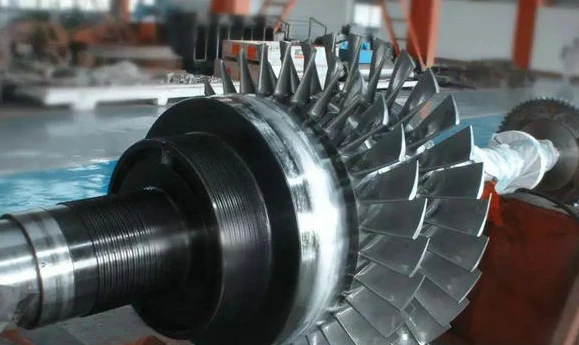
Aerospace: Titanium alloy is widely used in aerospace components such as aircraft fuselages, engine parts, etc. due to its lightweight, high strength, and high-temperature resistance.
Medical implants: Titanium alloys are used to manufacture medical implants such as bone screws, joint prostheses, etc. due to their good biocompatibility.
Chemical equipment: In the chemical industry, titanium alloys are used to manufacture corrosion-resistant equipment and containers such as reactors and heat exchangers.
Marine engineering: Titanium alloys excel in marine applications and are used to manufacture marine equipment, submersibles, and offshore platforms due to their excellent corrosion resistance and resistance to seawater erosion.
High-end consumer goods: Titanium alloys are also used in luxury goods and high-end consumer goods (such as watches and eyeglass frames) due to their lightweight and durable properties.
Titanium Steel vs Stainless Steel Prices:
Titanium – is expensive due to its complex extraction process and difficulty in manufacturing. Pure titanium is generally cheaper than titanium alloys, but still more expensive than stainless steel.
Titanium alloys – are more expensive than pure titanium due to the addition of alloying elements and the special processes required when processing.
Stainless steel – is much cheaper than titanium and titanium alloys. The wide availability and ease of production of stainless steel make it a more cost-effective choice for most applications unless weight reduction or extreme performance is required.
Titanium Steel vs Stainless Steel Magnetism
Stainless Steel:
The magnetic properties of stainless steel depend primarily on its composition and microstructure.
Austenitic stainless steels (e.g. 304, 316) are generally non-magnetic, although they may exhibit some magnetism during cold working.
Martensitic stainless steels (e.g. 410, 420) and duplex stainless steels are significantly magnetic and can therefore be used in applications where magnetic properties are required.
Titanium Alloys:
Titanium and its alloys are generally non-magnetic. This makes titanium alloys very popular in certain applications (e.g. medical devices, and aerospace) as they are not disturbed by magnetic fields.
Titanium Steel vs Stainless Steel Weldability
Stainless Steel:
Stainless steel has good weldability, but the specific performance depends on the alloy composition and welding method.
Austenitic stainless steel usually has good weldability and is not prone to cracking or deformation after welding.
However, some martensitic stainless steels may be brittle when welded, so special attention needs to be paid to preheating and post-heat treatment during welding.
Titanium Alloy:
The weldability of titanium alloy is relatively poor, and hydrogen embrittlement and oxidation problems are prone to occur during welding.
In order to weld titanium alloy, it is usually necessary to carry out under inert gas protection to prevent titanium alloy from reacting with oxygen and nitrogen in the air at high temperatures.
The use of techniques such as TIG welding (tungsten inert gas welding) and MIG welding (metal inert gas welding) can improve the welding quality.
Titanium Steel vs Stainless Steel Corrosion Resistance
When comparing Titanium Steel and Stainless Steel, corrosion resistance is one of the most decisive factors for engineers and designers.
Corrosion Mechanism Overview
Titanium Steel:
Forms a dense and stable titanium dioxide (TiO₂) film on the surface, which prevents further oxidation or chemical attack. Even if scratched or mechanically damaged, this oxide layer can self-heal, maintaining long-term corrosion resistance.
Stainless Steel:
Relies on a chromium oxide (Cr₂O₃) passive film. When exposed to high chloride, acidic, or marine environments, this film may be damaged, causing pitting, crevice corrosion, or stress corrosion cracking.
Comparative Corrosion Resistance Table
| Environment / Medium | Titanium Steel Performance | Stainless Steel Performance (304 / 316L) | Remarks |
|---|---|---|---|
| Fresh Water | Excellent – No visible corrosion | Excellent | Both suitable |
| Seawater / Marine Environment | Outstanding – Fully resistant to chlorides | Moderate – 316L performs better than 304 but may still pit | Titanium is ideal for marine use |
| Acidic Environment (HCl, H₂SO₄) | Excellent – Resistant to most acids | Weak to Moderate – Prone to acid corrosion | Titanium preferred |
| Alkaline Environment | Excellent | Good | Both acceptable |
| Industrial / Chemical Atmosphere | Excellent – Long service life | Moderate – May require coatings | Titanium more durable |
| Biomedical / Body Fluid Contact | Excellent – Biocompatible, non-toxic | Good – 316L widely used | Titanium superior for implants |
| Oxidizing Environments (High Temp Air) | Excellent – Stable oxide film | Good – Limited by grade and surface finish | Both usable with protection |
| Chloride Ion Environment (NaCl, Brine) | Excellent – Resistant to chloride stress | Weak to Moderate – Risk of pitting corrosion | Titanium clearly better |
Summary
| Category | Titanium Steel | Stainless Steel |
|---|---|---|
| Oxidation Resistance | ★★★★★ | ★★★★☆ |
| Acid Resistance | ★★★★★ | ★★★☆☆ |
| Alkali Resistance | ★★★★★ | ★★★★☆ |
| Chloride Resistance | ★★★★★ | ★★★☆☆ |
| Self-Healing Ability | ★★★★★ | ★★☆☆☆ |
| Overall Durability | ★★★★★ | ★★★★☆ |
Titanium Steel vs Stainless Steel Machinability
Titanium: difficult to process, requires specialized tools and techniques, and is usually more expensive.
Stainless steel: easy to process, suitable for large-scale production, and less expensive.
Titanium Steel vs Stainless Steel Rust
Stainless steel has good corrosion resistance, but it may rust in some harsh environments, especially in the presence of corrosive substances such as chlorides.
Titanium alloy has superior corrosion resistance, almost no rust, and is suitable for various corrosive environments.
Stainless Steel vs. Titanium: Which One to Choose?
From the above content, we can conclude under what circumstances stainless steel and titanium alloys are chosen.
Situations for Shoosing Stainless Steel
Cost considerations: Stainless steel is generally cheaper than titanium alloys, and for projects with limited budgets, choosing stainless steel is an affordable choice.
Processability: Stainless steel is easy to process and weld, suitable for applications that require complex shapes or rapid production.
Strength and durability: Stainless steel provides good strength and durability, especially in construction, food processing, and general industrial environments.
Applicability: For most everyday applications, stainless steel (such as 304 or 316) can provide sufficient corrosion resistance, especially in milder environments.
Situations for Choosing Titanium Alloys
Corrosion resistance: Titanium alloys have excellent corrosion resistance and are suitable for applications in marine, chemical, and highly corrosive environments.
Strength and weight: Titanium alloys are high in strength and lightweight, suitable for aerospace, military, and high-performance industrial equipment that require high strength and low weight.
High-temperature performance: Titanium alloys maintain good strength and corrosion resistance at high temperatures and are suitable for high-temperature applications.
Long-term durability: Titanium alloys exhibit excellent durability and long life in harsh environments, reducing maintenance costs.
We deeply understand that selecting the most suitable material for specific applications is crucial to the success of a project. If you require professional material selection advice and customized solutions tailored to your specific needs, please feel free to contact our technical team. We are here to provide you with comprehensive one-stop support.
Our factory
GNEE not only possesses a deep understanding of the material characteristics and market dynamics of titanium and stainless steel but also leverages a robust global supply chain network to reliably provide you with high-quality metal products. Our offerings include titanium and titanium alloys (such as GR1, GR2, GR12, GR23), as well as various grades of stainless steel (e.g., 304, 316, duplex steel), available in multiple specifications and forms. Whether you prioritize the cutting-edge performance of titanium or the cost-effective reliability of stainless steel, we are committed to meeting your procurement needs with competitive pricing, assured quality, and efficient logistics support.

Packaging and shipping
We strictly adhere to international packaging standards and employ professional packaging solutions that are waterproof, moisture-proof, and impact-resistant to ensure the products remain intact during long-distance transportation. All products must undergo our rigorous quality inspection process before shipment to ensure their specifications and performance fully meet requirements. The standard delivery cycle for orders is 7 to 15 working days (subject to order complexity and logistics conditions). We are committed to ensuring that each batch of products arrives at your specified destination on time and securely through refined process management and digital logistics tracking.