


What Is Niobium Alloy
Niobium alloys are combinations of niobium with other metallic elements, designed to enhance specific properties for various applications. These alloys exhibit high strength at elevated temperatures, excellent electrical conductivity, and corrosion resistance, making them valuable in fields such as electronics, aerospace, and nuclear technology. Notable examples include Niobium-Titanium (Nb-Ti) alloys used in superconducting magnets, and Niobium-Zirconium (Nb-Zr) alloys favored for their thermal expansion characteristics. The unique properties of niobium alloys stem from the synergistic effects of the alloying elements, tailored to meet stringent engineering demands.
Excellent corrosion resistance
Niobium alloys exhibit exceptional resistance to corrosion in a wide range of environments, including exposure to acids, alkalis, and oxidizing agents. This corrosion resistance is attributed to the formation of a protective oxide layer on the surface of the alloy, which shields it from further attack. This property makes niobium alloys suitable for use in harsh and corrosive conditions where other metals may fail.
High strength and lightweight
Niobium alloys combine high strength with relative lightweightness, offering an optimal combination for use in applications where strength-to-weight ratio is crucial. This combination of properties is beneficial in aerospace, automotive, and defense industries, where materials need to be strong yet lightweight to improve fuel efficiency and performance.
Good thermal conductivity
Niobium alloys have good thermal conductivity, meaning they can effectively transfer heat from one point to another. This property is advantageous in applications where heat dissipation is essential, such as electronic components, high-power lasers, and nuclear reactors. The good thermal conductivity of niobium alloys helps maintain stable operating temperatures and prevents thermal failure.
High temperature resistance
Niobium alloys can withstand high temperatures without significant degradation or loss of mechanical properties. This high-temperature resistance is beneficial in high-performance applications such as jet engines, rocket nozzles, and furnaces, where materials need to maintain their integrity under extreme thermal stress.
Low electrical resistivity
Niobium alloys have low electrical resistivity, making them highly conductive. This property is advantageous in electrical and electronic applications, where efficient flow of electricity is crucial. Niobium alloys can be used in wires, cables, and electronic components to minimize energy loss and improve power transmission efficiency.
Excellent workability and fabricability
Niobium alloys can be easily worked and fabricated into various shapes and forms, including sheets, rods, wires, and complex geometries. This good workability and fabricability allow niobium alloys to be easily processed and manufactured into components and parts for various applications. The ease of working with niobium alloys reduces manufacturing costs and improves production efficiency.
-

GNEE is a leading supplier of molybdenum products. We offer competitive pricing and long lead times on all materials and are able to provide customized materials to any specification/drawing you
Add to Inquiry -
Niobium Zirconium Alloy Sputtering Targets
GNEE is a leading supplier of high quality sputtering targets; we offer customized chemistries, purities and sizes. Our wide range of targets includes high purity metals, alloys, ceramics and doped
Add to Inquiry -
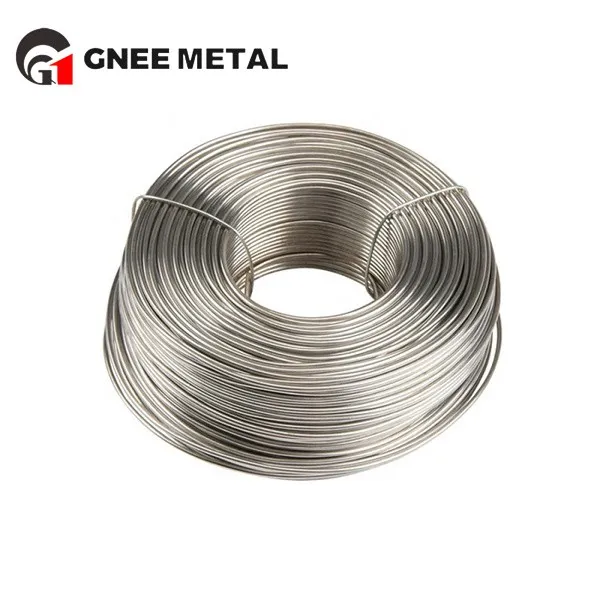
Our niobium-zirconium alloy wires are used in chemical, electronic, aerospace, high pressure sodium lamps, reaction vessels, heat exchangers and sleeve materials.
Add to Inquiry -
Niobium-zirconium rods are made of niobium powder, forged and polished. They are used in steel, metallurgy, atomic energy, superconductors, medical equipment and so on.
Add to Inquiry -
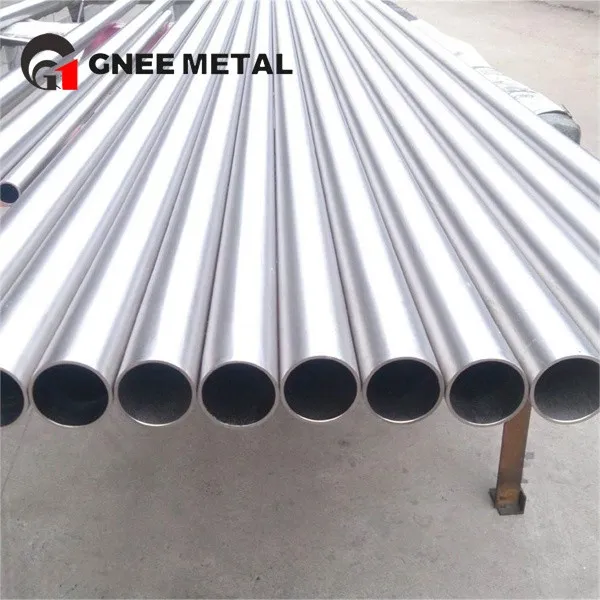
Niobium-zirconium (Nb-1Zr) alloy tube applications: Used as sputtering targets Used in the manufacture of reaction vessels. Used for heat exchanger piping, condensers, bayonet heaters, etc.
Add to Inquiry -
Niobium Zirconium Alloy Sheets
Niobium-zirconium plates and sheets work well under corrosive conditions and high temperatures. They can be used in chemical, electroplating, medical, aerospace
Add to Inquiry -
Our high quality niobium-zirconium foils are widely used in anti-corrosion, capacitors, optical targets, superconductivity, medical treatment, refrigeration and other fields.
Add to Inquiry -
Niobium Zirconium Alloy Ingots
Niobium Zirconium Alloy Ingot has a high melting point, fine resistance to corrosion, and workability. It can be made into mill products for pharmacy, semiconductor, aviation, nuclear, etc.
Add to Inquiry -
Tantalum is ductile and highly resistant to acid corrosion. It has a high melting point and is a good conductor of heat and electricity. Niobium, also known as columbium, often forms alloys with
Add to Inquiry -
Tantalum Niobium Wire Application Used in the production of electronic components including phones, pagers, personal computers and automotive electronics. Used to make carbide tools. Used to make
Add to Inquiry -
Niobium (Nb), formerly known as columbium, is a chemical element with an atomic number of 41. It is primarily a ductile, gray, soft transition metal. The main commercial source of niobium is the
Add to Inquiry -
Tantalum is ductile and highly resistant to acids and corrosion. It has a high melting point and is a good conductor of heat and electricity. Niobium, also known as columbium, often forms alloys with
Add to Inquiry


Why Choose Us
High quality
Our products are manufactured or executed to a very high standard, using the finest materials and manufacturing processes.
Professional team
Our professional team collaborates and communicates effectively with each other, and is dedicated to delivering high quality results. We are capable of handling complex challenges and projects that require our specialized expertise and experience.
Advanced equipment
A machine, tool or instrument designed with advanced technology and functionality to perform highly specific tasks with greater precision, efficiency and reliability.
One-stop solution
At our manufacturing facilities, we provide a complete package that includes everything required to get you started, including training, installation and support.
Quality control
We have built a professional quality control team to accurately inspect every raw material and every production process.
24H online service
We try and respond to all concerns within 24 hours and our teams are always at your disposal in case of any emergencies.
Types of Niobium Alloy
Niobium-titanium (nb-ti) alloys
One of the most well-known niobium alloys is nb-ti, which is widely utilized in superconducting applications due to its high transition temperature. This alloy is particularly useful in magnets for magnetic resonance imaging (mri) machines and particle accelerators. The addition of titanium to niobium significantly increases the critical temperature and reduces magnetic hysteresis losses.
Niobium-zirconium (nb-zr) alloys
Similar to nb-ti, nb-zr alloys are also superconducting materials. They have a slightly lower transition temperature than nb-ti but offer better mechanical properties and are easier to work with, making them suitable for manufacturing processes.
Niobium-vinyl chloride (nb-vc) alloys
This alloy is notable for its use in nuclear reactors, where it serves as a cladding material for nuclear fuel rods. The vinyl chloride acts as a neutron absorber, providing a mechanism for controlling the rate of fission reactions within the reactor core.
Niobium-columbium (nb-cb) alloys
Also known as niobium-carbon alloys, these are used in the production of high-strength steel, particularly for applications requiring excellent weldability and toughness. The carbon addition enhances the strength of the alloy without significantly reducing its ductility.
Niobium-aluminum (nb-al) alloys
These alloys exhibit enhanced physical properties due to the aluminum addition, which improves the electrical resistivity and thermal stability of the alloy. They are often used as interconnects in solid oxide fuel cells and other electrochemical devices.
Niobium-hafnium (nb-hf) alloys
These alloys are primarily used in nuclear applications due to their excellent radiation tolerance and corrosion resistance. The hafnium addition helps mitigate the effects of irradiation-induced defects, thus maintaining the integrity and performance of the alloy under harsh conditions.
Niobium-gallium (nb-ga) alloys
Niobium-gallium alloys are superconductors with a relatively low transition temperature compared to nb-ti. However, they offer distinct advantages in terms of higher critical current densities and are being explored for use in quantum computing and other cutting-edge technologies.
Niobium-refractory metal alloys
Niobium is also combined with refractory metals like tantalum, tungsten, and molybdenum to create alloys with exceptional hardness, wear resistance, and high-temperature stability. These alloys are employed in high-stress environments, such as aerospace and defense applications.
How to Store Niobium Alloy
Cleanliness and contaminant control
Niobium alloy should be kept free from dust, fingerprints, and other environmental pollutants that could lead to corrosion or contamination. Before storage, clean the alloy surfaces with a lint-free cloth and isopropyl alcohol or another approved cleaning agent. Avoid using abrasive materials that might scratch the surface.
Humidity control
Store niobium alloy in environments with controlled humidity. High humidity can promote oxidation and other forms of corrosion. Ideally, the storage area should have a relative humidity below 40% to minimize corrosion risks.
Temperature regulation
Maintain consistent temperature levels within the storage area to avoid thermal stress that could cause warping or cracking of the alloy. Extreme temperature fluctuations should be avoided, and the alloy should be allowed to acclimatize slowly to new temperature levels if protective coatings
Apply a thin layer of oil or a specialized protective coating to the niobium alloy to prevent corrosion and to protect it from atmospheric oxygen and moisture. This layer should be non-reactive and should not contaminate the alloy.
Packaging materials
Use packaging materials that do not react with niobium. Polyethylene, polypropylene, or other inert plastics are suitable choices for wrapping or container linings. Avoid materials containing sulfur, chlorine, or other aggressive chemicals that could cause degradation.
Separation from other metals
Store niobium alloy separately from metals that could cause galvanic corrosion, such as carbon steel or copper. If multiple types of metals must be stored together, use physical barriers or separate containers to prevent direct contact.
Ventilation
Ensure the storage area has proper ventilation to disperse any potentially corrosive gases and to reduce the risk of condensation, which can occur when warm, damp air meets cooler metal surfaces.
In the aerospace industry, niobium alloys play a crucial role due to their lightweight and high-temperature tolerance. For instance, Nb-Si (niobium-silicon) alloys are used in jet engines and rocket nozzles, where they endure extreme heat and stress. The alloys' ability to withstand thermal cycling and resist creep deformation under load contributes significantly to the safety and efficiency of aerospace vehicles. Electronics is another sector where niobium alloys shine. Due to their excellent electrical properties and stability, they are utilized in the manufacture of capacitors, which are vital components in electronic circuits. Niobium capacitors offer advantages such as low equivalent series resistance and excellent frequency response, making them particularly useful in audio equipment and telecommunications infrastructure. In the realm of nuclear reactors, niobium alloys are employed for their radiation resistance and ability to withstand the harsh conditions inside a reactor. They are incorporated into control rod mechanisms and other components that require durability against neutron irradiation and intense heat. Additionally, niobium alloys find utility in the medical field, particularly in the development of orthopedic implants and surgical instruments. The biocompatibility of niobium, along with its mechanical strength and corrosion resistance, makes it suitable for long-term implantation in the human body.The automotive industry also benefits from niobium alloys through the use of additives like ferrotitanium in steel manufacturing. These additives enhance the strength and toughness of steel, enabling lighter and more fuel-efficient vehicles while maintaining safety standards.
Precautions When Using Niobium Alloy
Hygiene
Niobium dust and fumes can be hazardous if inhaled or ingested. Wash hands thoroughly after handling niobium alloys, and avoid touching your face, food, or drink until you have cleaned your hands.
Ventilation
Ensure that the work area has adequate ventilation to disperse any airborne contaminants. If machining niobium, use a dust collection system or exhaust fan to remove particulates from the air.
Heat treatment precautions
Niobium can ignite at high temperatures, so it's crucial to manage heat treatment processes carefully. Use oxyacetylene torches sparingly and keep a fire extinguisher nearby in case of ignition. Monitor temperatures closely and follow recommended practices for heating niobium alloys.
Electrical safety
Niobium alloys are superconductive, meaning they can conduct large amounts of electrical current without resistance. Handle them with caution, especially in environments where electrical currents are present. Ensure proper grounding and insulation to prevent electric shocks.
Handling precautions
Niobium is a relatively soft metal and can easily scratch or deform. Handle it gently to prevent damage, and use appropriate tools and machinery designed for working with softer metals.
Storage and disposal
Store niobium alloys in a cool, dry place away from incompatible materials. Follow proper waste disposal procedures if niobium alloy materials become contaminated or are no longer usable. Consult local regulations regarding hazardous material disposal.
How Do I Choose the Right Niobium Alloy
Critical temperature
If the alloy is intended for use in superconducting applications, its critical temperature is paramount. Different niobium alloys have different critical temperatures at which they lose their resistance to electrical current. Choose an alloy with a critical temperature that aligns with the operational temperature of the device or system.
Strength and hardness
Consider the mechanical loads the alloy will encounter. Some niobium alloys are strengthened through the addition of elements like zirconium or titanium. Determine whether you need an alloy with enhanced tensile strength, yield strength, or hardness based on the stresses it will undergo.
Corrosion resistance
Evaluate the environment in which the alloy will be used. If the alloy will be exposed to corrosive substances or fluctuating environmental conditions, select an alloy with superior corrosion resistance properties.
Electrical properties
For applications requiring electrical conductivity, such as in capacitors or other electronic components, the electrical resistivity and dielectric constant of the alloy are critical. Select an alloy that provides the necessary electrical properties for optimal performance.
Thermal expansion
The coefficient of thermal expansion (cte) of the alloy should be compatible with any mating materials or components. Mismatched cte can lead to stress and failure in assemblies.
Fabrication needs
Consider how the alloy will be processed and formed. Some alloys may be more difficult to machine or weld than others. Ensure the alloy you choose can be fabricated into the desired shape and size without compromising its properties.
Production Methods of Niobium Alloy
Kroll process
This is a common method for producing niobium and its alloys. It involves the reaction of niobium pentoxide (nb2o5) with magnesium to form niobium metal and magnesium oxide. The reaction takes place at high temperatures within an argon atmosphere. The resulting niobium metal is then separated from magnesium oxide, and if needed, further alloyed with other elements.
Electrochemical reduction
In this method, niobium pentoxide is reduced electrochemically in a molten salt bath, typically using sodium or potassium as the reductant. This process allows for the production of pure niobium and its alloys in a relatively inexpensive manner.
Arc melting
High-purity niobium and additional alloying elements are melted using an electric arc in a non-oxidizing atmosphere, usually argon. Multiple melting (up to 20 times) is often performed to ensure homogeneity and purity of the alloy. This method is particularly suitable for producing small quantities of niobium alloys with complex compositions.
Induction melting
For larger-scale production, induction melting is commonly used. It involves heating the raw materials with electromagnetic induction. This method can produce ingots of various sizes and is well-suited for alloying niobium with elements that have lower melting points than niobium.
Hot pressing
Hot pressing is a powder metallurgy technique used to create dense niobium and its alloy parts directly from powders. The powders are pressed at high temperatures and pressures, resulting in a material with improved mechanical properties.
Cold hearting
This method is primarily used for superconducting niobium alloy applications. It involves casting a niobium alloy, cooling it rapidly, and then annealing it to precipitate the formation of the superconducting phase.
Additive manufacturing (3d printing)
Recently, additive manufacturing has emerged as a new production method for niobium alloys, allowing for the creation of complex geometries with controlled material properties. This method uses powders of niobium and its alloys that are fused layer by layer using a laser or electron beam.
Extrusion and forging
After the initial production of niobium alloy ingots, further processing like extrusion and forging can be performed to achieve the desired shapes and improve mechanical properties. These processes involve shaping the metal under high pressure and temperature, which can enhance the grain structure and strength of the alloy.
What Are the Components of Niobium Alloy
Niobium
Niobium is the primary component of niobium alloys, contributing to its overall properties. It is known for its high strength, ductility, and resistance to wear and corrosion. Niobium is also a good conductor of electricity and can be used in electronic applications.
Zirconium
Zirconium is often added to niobium alloys to improve their strength and toughness. It forms a protective oxide layer on the surface of the alloy, which helps to resist corrosion. Zirconium can also improve the weldability of niobium alloys.
Hafnium
Hafnium is another element that is commonly added to niobium alloys. It contributes to the alloy's strength and corrosion resistance. Hafnium can also improve the radiation tolerance of niobium alloys, making them suitable for use in nuclear applications.
Tantalum
Tantalum is similar to niobium in many ways and is often added to niobium alloys to improve their strength and corrosion resistance. Tantalum has a high melting point and is resistant to wear and corrosion, making it an attractive material for use in harsh environments.
Titanium
Titanium is often added to niobium alloys to improve their strength, toughness, and corrosion resistance. Titanium can also improve the weldability of niobium alloys.
Carbon
Carbon is often added to niobium alloys in small amounts to improve their strength and hardness. Carbon can also improve the machinability of niobium alloys, making them easier to machine into complex shapes.
Oxygen
Oxygen is often added to niobium alloys in small amounts to improve their strength and corrosion resistance. Oxygen can form a protective oxide layer on the surface of the alloy, which helps to resist corrosion.
Iron
Iron is often added to niobium alloys in small amounts to improve their strength and toughness. Iron can also improve the weldability of niobium alloys.
Are Niobium Alloys Suitable for Cryogenic Applications?
Niobium alloys are indeed highly suitable for cryogenic applications, owing to their excellent mechanical properties and stability under extremely low-temperature conditions. One of the most notable characteristics of niobium is its lack of brittleness at cryogenic temperatures; unlike many other metals, which become increasingly brittle as the temperature drops, niobium maintains its ductility and tensile strength even when subjected to temperatures near absolute zero. The ductility of niobium is attributed to its unique crystalline structure. Niobium crystallizes in a body-centered cubic (BCC) lattice, which is known to undergo a transformation at low temperatures from BCC to a fivefold variant of the BCC structure. This transformation imparts enhanced plasticity to the metal, enabling it to deform without fracturing even under conditions where other materials would fail. Moreover, niobium's resistance to cold work hardening is another advantage in cryogenic environments. Unlike many metals, which suffer from reduced ductility after being deformed at low temperatures, niobium can be worked into various shapes and sizes for use in intricate cryogenic systems without significant loss of ductility. Niobium's superconductivity is one of the most compelling reasons for its use in cryogenic applications. At temperatures below 9 K (kilo degrees Kelvin), pure niobium enters a state of superconductivity, where it offers zero electrical resistance and expels magnetic fields—a phenomenon known as the Meissner effect. This property makes niobium ideal for superconducting magnets and electrical contacts used in MRI machines, particle accelerators, and other sensitive scientific instruments that require high-performance at cryogenic temperatures.
Are Niobium Alloys Lightweight
Niobium alloys are recognized for their unique combination of physical and chemical properties, which make them valuable in various engineering applications. One of the notable characteristics of niobium and its alloys is their relatively low density compared to many other metals, which contributes to their lightweight nature.The density of pure niobium is approximately 8.57 grams per cubic centimeter, slightly less than that of pure titanium (about 4.5 grams per cubic centimeter) and significantly less than that of steel or aluminum alloys commonly used in engineering. Niobium's lower density is advantageous in applications where weight savings are crucial, such as in aerospace and transportation industries. Furthermore, niobium's low density is coupled with high strength-to-weight ratio, which makes it an attractive material for load-bearing applications. Niobium alloys can be engineered to have even higher strength and lower density by alloying niobium with lighter elements such as hafnium or zirconium. These alloys maintain their lightweight characteristics while offering enhanced mechanical properties, such as increased yield strength and better resistance to creep.In addition to their strength and lightweight qualities, niobium alloys exhibit excellent corrosion resistance, particularly in oxidizing environments. This resistance stems from the formation of a stable, adherent oxide layer that protects the underlying metal from further attack. For this reason, niobium and its alloys are often used in high-temperature applications where oxidation resistance is vital.
Our factory
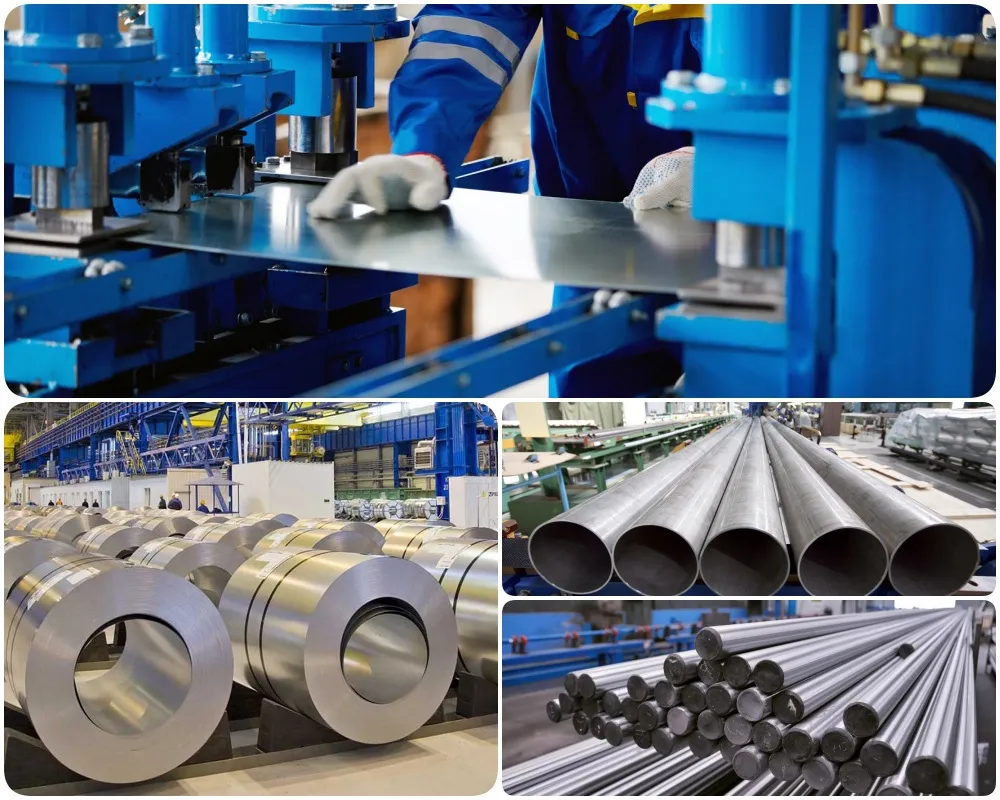
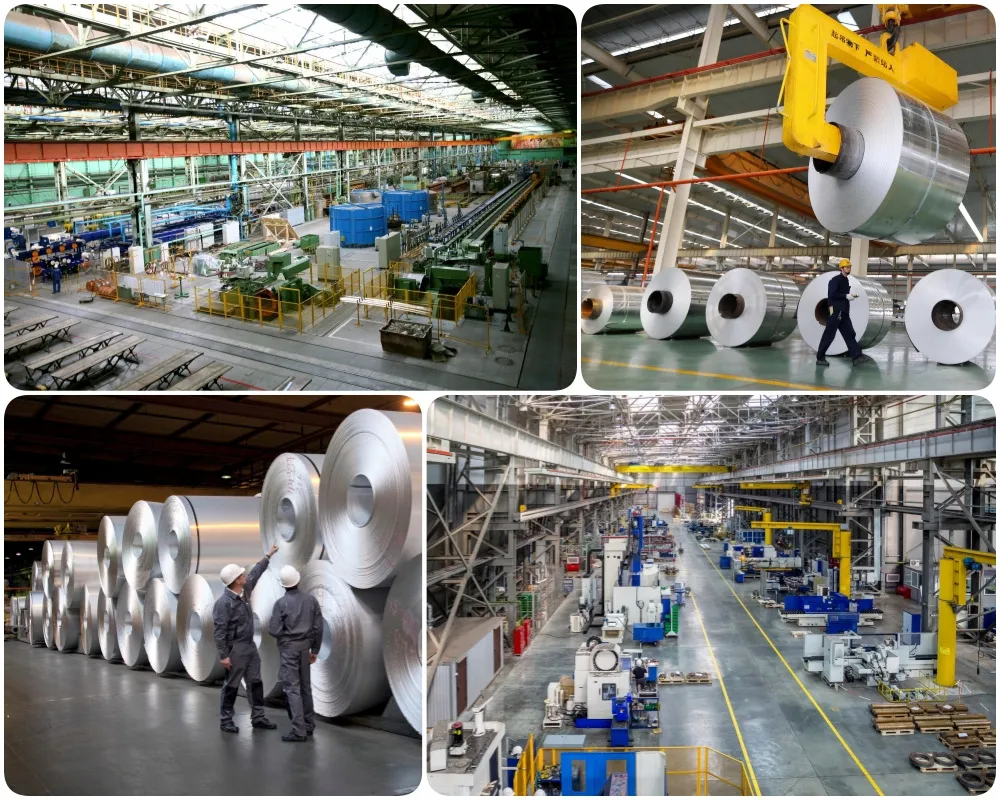
Gnee Group is a supply chain integrated enterprise including metal plate, coil, profile, outdoor landscape design and processing. Founded in 2008, with 5 million RMB registered capital, Gnee has made impressive progress and development in steel market with Gnee People more than 10 years hard fighting. At present, the total investment amount reaches 30 million RMB, workshop area more than 35000㎡, with over 200 employees. Gnee is becoming the most professional international metal supply chain company in China central plains with explicit strategic framework, integrated governance structure, firm management foundation, abundant fund and human power.
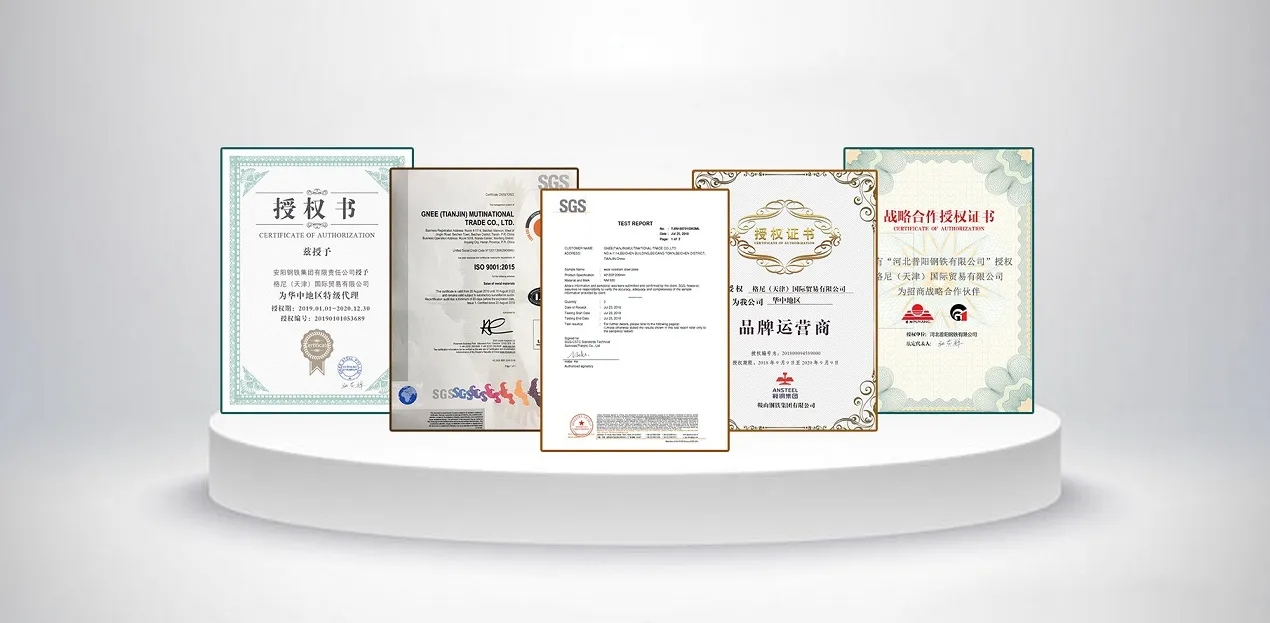
certificate
FAQ
Q: What are the main applications of niobium alloys?
Q: What makes niobium alloys corrosion resistant?
Q: Can niobium alloys be used in high-temperature applications?
Q: Are niobium alloys suitable for cryogenic applications?
Q: What are the different types of niobium alloys?
Q: Can niobium alloys be welded?
Q: Are niobium alloys biocompatible?
Q: Can niobium alloys be used in contact with food or pharmaceuticals?
Q: Do niobium alloys require any special surface treatment?
Q: Are niobium alloys magnetic?
Q: Can niobium alloys be used in seawater environments?
Q: Are niobium alloys lightweight?
Q: Can niobium alloys be recycled?
Q: Can niobium alloys be used in electrical applications?
Q: Do niobium alloys have good mechanical properties?
Q: Can niobium alloys be machined easily?
Q: Can niobium alloys be used in nuclear applications?
Q: Are niobium alloys resistant to chemical attack?
Q: Can niobium alloys be used in jewelry?
Q: Can niobium alloys be used in aerospace applications?
As one of the leading niobium alloy manufacturers and suppliers in China, we warmly welcome you to buy high-grade niobium alloy for sale here from our factory. All customized titanium products are with high quality and competitive price.
ductility of niobium alloy, polishing of niobium alloy, toughness of niobium alloy