


What Is Molybdenum Alloy
Molybdenum alloy is a combination of molybdenum, a silvery metal with the sixth-highest melting point of any element, and one or more other elements to enhance its properties. These alloys are highly valued for their increased strength, corrosion resistance, and heat resistance compared to pure molybdenum. Common alloying elements include tungsten, nickel, and iron. Molybdenum alloys are utilized in various high-temperature and structural applications, such as in nuclear reactors, high-speed tool steels, and as electrodes in glass production. Their unique characteristics make them suitable for environments where stability and durability are paramount.
Excellent strength and toughness
Molybdenum alloys combine high strength with toughness, enabling them to withstand both tensile and compressive forces effectively. This combination of strength and toughness makes molybdenum alloys suitable for load-bearing applications where high mechanical performance is required, such as in aerospace components, surgical implants, and high-pressure equipment.
Good electrical conductivity
Molybdenum alloys exhibit good electrical conductivity, making them suitable for use in electrical and electronic applications. They can be used in wires, cables, and electronic components to efficiently transmit electricity with minimal energy loss. The good electrical conductivity of molybdenum alloys improves the performance and efficiency of electrical systems.
Low thermal expansion coefficient
Molybdenum alloys have a low coefficient of thermal expansion, meaning they expand very little when heated. This property is advantageous in applications where precise dimensional stability is crucial, such as in precision instruments, optical systems, and electronic components. The low thermal expansion coefficient of molybdenum alloys helps maintain their accuracy and reliability under varying temperature conditions.
Excellent corrosion resistance
Molybdenum alloys exhibit good corrosion resistance in a wide range of environments, including exposure to acids, alkalis, and oxidizing agents. This corrosion resistance is attributed to the formation of a protective oxide layer on the surface of the alloy, which shields it from further attack. The corrosion resistance of molybdenum alloys makes them suitable for use in harsh and corrosive conditions where other metals may fail.
Good weldability and fabricability
Molybdenum alloys can be easily welded and fabricated into various shapes and forms, allowing for flexibility in manufacturing processes. They can be welded using various welding techniques, such as arc welding, electron beam welding, and laser welding, without significant loss of mechanical properties. The good weldability and fabricability of molybdenum alloys make them suitable for complex manufacturing requirements.
Radiation resistance
Molybdenum alloys exhibit good resistance to radiation damage, making them suitable for use in radiation-exposed environments such as nuclear reactors and radiotherapy equipment. The radiation resistance of molybdenum alloys helps maintain their mechanical properties and functionality even under high radiation doses.
-

Molybdenum disks are widely used as contact material in thyristor rectifier diodes, transistors and thyristors (GTO'S).
Add to Inquiry -
Sprayed molybdenum wire is a metal coating material that enhances wear resistance and is used for fine coating of automotive wear parts and mechanical wear surfaces.
Add to Inquiry -
Molybdenum wires are used in profile cutting, H2 furnaces, heater rod guide hooks, mandrels, wires, leads etc.
Add to Inquiry -
Molybdenum flakes can be used in electronic products, heat shields, molybdenum boats, molybdenum crucibles, and so on.
Add to Inquiry -
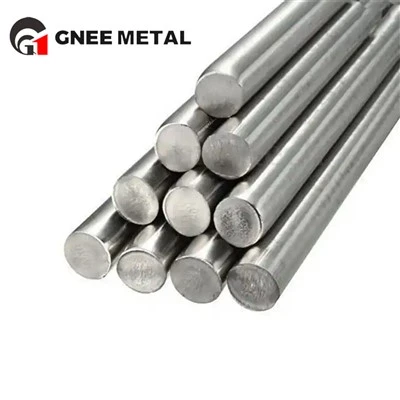
Molybdenum rod is a refractory metal with a melting temperature of 4760° F. Our solid molybdenum rods are in stock and ready to ship for your high temperature applications.
Add to Inquiry -
High purity molybdenum possess unique properties that are suitable for use in a number of applications and industries. It may be most well known for its high melting point, 2620 °C, however its
Add to Inquiry -
Application:Industrial. Standard:ASTM. Purity:>99.95%. Alloy:Non-alloy. Shape:Cricible
Add to Inquiry -
Molybdenum Rhenium Alloy Pipe is one of our many Molybdenum Rhenium Alloy products.GNEE is your one-stop-shop for finding Molybdenum Rhenium Alloy in all forms.
Add to Inquiry -
Molybdenum-rhenium alloys are based on molybdenum with additions of rhenium ranging from 14% to 47.5%, which greatly enhances their ductility, weldability and formability.G offers top quality
Add to Inquiry -
Molybdenum-Rhenium is manufactured in a standard alloy of 47.5% Rhenium, and serves a wide range of applications in electronics, furnace, joining, and aerospace industries. Precise alloying of the
Add to Inquiry -
Molybdenum Nickel Master Alloy
GNEE offers high quality molybdenum-nickel intermediate alloys (Mo-Ni alloys) with high purity and specific material properties. Customized shapes and composition ratios are available upon request.
Add to Inquiry -
Molybdenum-copper alloys are pseudo-alloys made of copper and molybdenum that do not solidify with each other. Copper-clad molybdenum combines the advantages of both copper and molybdenum with high
Add to Inquiry



Why Choose Us
High quality
Our products are manufactured or executed to a very high standard, using the finest materials and manufacturing processes.
Professional team
Our professional team collaborates and communicates effectively with each other, and is dedicated to delivering high quality results. We are capable of handling complex challenges and projects that require our specialized expertise and experience.
Advanced equipment
A machine, tool or instrument designed with advanced technology and functionality to perform highly specific tasks with greater precision, efficiency and reliability.
One-stop solution
At our manufacturing facilities, we provide a complete package that includes everything required to get you started, including training, installation and support.
Quality control
We have built a professional quality control team to accurately inspect every raw material and every production process.
24H online service
We try and respond to all concerns within 24 hours and our teams are always at your disposal in case of any emergencies.
Types of Molybdenum Alloy
Tzm (titanium-zinc-molybdenum)
Tzm alloy is highly appreciated for its low thermal expansion coefficient and high strength at elevated temperatures. It is composed of titanium, zinc, and molybdenum. Tzm is often utilized in aerospace applications for rocket motors and aircraft parts due to its ability to maintain stability across a broad temperature spectrum.
Mo-ni (molybdenum-nickel)
The addition of nickel to molybdenum increases the material's ductility at temperatures where pure molybdenum becomes brittle. Mo-ni alloys are used in heating elements, furnace components, and in applications requiring high-temperature strength and resistance to oxidation.
Mo-si-ba (molybdenum-silicon-barium)
This alloy combines molybdenum with silicon and barium to create a material with excellent hot working capabilities and high-temperature strength. Mo-si-ba is particularly useful in the production of rocket nozzles and furnace parts that are exposed to severe thermal conditions.
Mo-cu (molybdenum-copper)
Molybdenum-copper alloys possess a combination of high temperature resistance from the molybdenum and the electrical conductivity of copper. These properties make mo-cu alloys suitable for applications such as electronic contacts and parts that require heat resistance with good electrical properties.
W-mo-ni (tungsten-molybdenum-nickel)
This class of alloys blends tungsten with molybdenum and nickel, creating a material with very high melting points and improved strength compared to pure tungsten. W-mo-ni alloys are used in armor piercing rounds, x-ray targets, and other applications where extreme hardness and heat resistance are necessary.
Molybdenum-chromium (mo-cr)
Alloys containing molybdenum and chromium exhibit enhanced high-temperature stability and oxidation resistance. They are employed in applications such as gas turbine blades, combustor components, and other high-temperature environments.
How to Store Molybdenum Alloy
Choose the right location
Store molybdenum alloys in a dry, dust-free environment. Avoid locations with high humidity or significant temperature fluctuations, as these can cause condensation and corrosion. Ideally, the storage area should maintain a constant temperature and have good ventilation.
Protection from contaminants
Protect molybdenum alloys from contact with corrosive substances. This includes avoiding exposure to moisture, chemicals, and other materials that could lead to contamination or oxidation. Use protective wraps or covers made of materials that do not react with molybdenum, such as plastic or stainless steel.
Organized storage
Arrange molybdenum alloy items on shelves or racks to prevent scratching and physical damage. Do not allow items to stack unsystematically, as this can cause bending, warping, or other forms of deformation. Use spacers or dividers to keep pieces separated.
Handle with care
When moving molybdenum alloy items, use appropriate tools and handling equipment. Improper lifting or dropping can cause stress fractures or other forms of damage. Ensure that handlers are trained in proper material handling techniques.
Prevent mechanical stress
Avoid applying mechanical stress to molybdenum alloys during storage. This means ensuring that the alloy is not under tension or compression. Secure the material so that it cannot shift or move, which could cause bending or warping.
Monitor the environment
Regularly check the storage area for any signs of deterioration, such as rust or discoloration. If the alloy starts to show signs of corrosion, it may be due to environmental factors, and adjustments to the storage conditions may be necessary.
Segregate different materials
If storing molybdenum alloys alongside other metals or materials, ensure they do not come into direct contact. Different metals can cause galvanic corrosion when in contact with each other, especially in the presence of moisture.
Maintain cleanliness
Keep the storage area clean and free of debris. Dust and dirt can scratch the surface of molybdenum alloys or introduce unwanted particles that could cause damage. Regular cleaning with a soft cloth or brush can help maintain the integrity of the material.
Application of Molybdenum Alloy
Aerospace industry
Molybdenum alloys are extensively used in the aerospace industry for components that must withstand extreme temperatures and pressures. For instance, tzm alloy is used in the construction of rocket motor cases due to its low thermal expansion and high strength at high temperatures. Similarly, molybdenum alloys are utilized in aircraft engine parts and heating elements due to their excellent resistance to oxidation and thermal cycling.
Energy sector
Components in nuclear reactors and power plants often utilize molybdenum alloys because of their resilience to radiation damage and high-temperature environments. These alloys are found in control rods, fuel rod casings, and various structural components that require stability under intense thermal stress.
Electronics industry
Molybdenum alloys are used in the electronics industry for parts that require high thermal conductivity and electrical stability, such as heat sinks, circuitry components, and microelectronics packaging. Mo-cu alloys, in particular, are favored for their combination of electrical conductivity and high-temperature resistance.
Medical field
Due to their biocompatibility and resistance to wear and corrosion, molybdenum alloys are employed in medical devices, such as surgical instruments, orthopedic implants, and dental prosthetics. Their ability to maintain integrity in sterilization processes makes them ideal for medical tools that undergo repeated high-temperature treatments.
Automotive industry
In automotive engineering, molybdenum alloys are used for exhaust system components and engine parts that are subjected to high temperatures and corrosive environments. Their resistance to oxidation and thermal fatigue ensures longevity and reliability in these systems.
Semiconductor manufacturing
Molybdenum alloys are integral to semiconductor manufacturing processes, where they serve as part of the equipment that handles and processes silicon wafers. Their thermal stability and resistance to chemicals are critical in maintaining the integrity of semiconductor devices during fabrication.
Heat treatment equipment
Furnace components, such as heating elements and support structures, often employ molybdenum alloys due to their ability to withstand the intense heat generated within these environments without significant deformation.
Cutting tools and wear component
Molybdenum alloys are used to manufacture cutting tools and wear components in industries where tools are subjected to high wear rates and abrasion. Their hardness and wear resistance make them suitable for machining metals and other materials.
Precautions When Using Molybdenum Alloy
Handling techniques
Handle molybdenum alloys with care to avoid physical damage such as scratches, dents, or cracks. Use appropriate tools and machinery designed for the task and ensure that they are in good working condition to prevent accidents. When cutting, shaping, or machining molybdenum alloys, use methods that minimize the risk of contamination or damage to the material.
Environmental conditions
Be mindful of the environmental conditions where molybdenum alloys are used. High temperatures can affect the material's properties, so it's essential to work in a controlled environment with stable temperature and humidity levels. Additionally, protect the alloy from exposure to reactive substances like acids, alkalis, or chlorine compounds, which can cause corrosion or degradation.
Ergonomics
Pay attention to ergonomic principles to prevent strain injuries. Proper body mechanics and the use of ergonomic tools can reduce the risk of repetitive strain injuries or back pain associated with heavy lifting or repetitive motions.
Equipment maintenance
Regularly inspect and maintain equipment used with molybdenum alloys to prevent malfunctions that could lead to injury or damage to the material. Ensure that machinery is cleaned thoroughly after use to prevent the buildup of hazardous residues.
Temperature resistance
Molybdenum's resistance to high temperatures is one of its key attributes. Determine the maximum temperature the alloy will encounter. If the application involves very high temperatures, you might need a molybdenum-based alloy with additional elements like tungsten or carbon to enhance its stability.
Mechanical properties
Consider the mechanical stresses the alloy will face. Some molybdenum alloys are strengthened through the addition of elements like nickel or copper. For applications requiring higher strength and toughness at both room temperature and elevated temperatures, these strengthened alloys would be more suitable.
Corrosion resistance
Assess the potential corrosive environment. Molybdenum has inherent corrosion resistance to many acids and salts. However, if the alloy will be exposed to specific chemicals or environments where corrosion resistance is a concern, select an alloy with added elements that improve this property.
Fabrication and forming
The ease of fabrication is another important factor. Different molybdenum alloys may have varying degrees of machinability, weldability, and formability. Choose an alloy that can be readily processed into the desired shape without compromising its integrity.
Testing and validation
Finally, consider testing the alloy in a controlled environment to validate its performance. This could include mechanical property tests, corrosion resistance assessments, or thermal cycling evaluations.
Production Methods of Molybdenum Alloy
Raw material collection
The journey begins with sourcing high-quality molybdenum ores, typically from mines where the mineral is extracted through drilling and blasting techniques. After crushing and grinding, the ore is processed to extract molybdenum disulfide or molybdic oxide, which are the primary raw materials for molybdenum alloy production.
Ore processing
The extracted molybdic oxide undergoes roasting to remove sulfur and convert it into molybdenum trioxide. This compound is then reduced through a chemical process, usually using hydrogen, to produce molybdenum metal powder. Alternatively, molybdenum can be extracted through an electrolytic refining process to obtain high-purity molybdenum cathodes.
Alloying elements addition
Once molybdenum is obtained, alloying elements such as tungsten, chromium, or iron are added in precise quantities to achieve the required properties. The mixture is thoroughly blended to ensure uniform distribution of the alloying elements throughout the molybdenum matrix.
Consolidation processes
The blended molybdenum alloy is then consolidated into a usable form through various processes. Powder metallurgy techniques, including hot pressing or sintering, are commonly employed. In hot pressing, the alloyed powder is pressed at high temperatures and pressures to form a solid piece. Sintering, on the other hand, involves heating the compacted powder at lower temperatures to induce densification without melting the material.
Melting and casting
Forging or casting processes can also be used, particularly when larger molybdenum alloy components are required. The alloy is melted in an inert atmosphere to prevent oxidation and is then cast into the desired shapes using various mold techniques, such as investment casting or vacuum arc casting.
Heat treatment
Following consolidation, the molybdenum alloy often undergoes heat treatment to optimize its mechanical properties. This may include annealing to relieve internal stresses, solution treating to homogenize the microstructure, and aging to precipitate secondary phases and increase strength.
Finishing operations
Depending on the application, the molybdenum alloy may undergo further finishing operations such as machining to achieve precise dimensions, grinding to improve surface finish, or electroplating to provide additional surface properties.
What Are the Components of Molybdenum Alloy
Iron
Iron is often added to molybdenum to improve its strength and toughness. Iron additions can increase the yield strength and tensile strength of the alloy while maintaining good thermal stability.
Nickel
Nickel is another common alloying element in molybdenum, contributing to enhanced corrosion resistance, improved fabricability, and increased strength at elevated temperatures.
Tungsten
Tungsten, similar to molybdenum, has a high melting point and adds to the overall hardness and strength of the alloy. It is particularly useful in applications requiring wear resistance and high-temperature performance.
Chromium
Chromium imparts excellent corrosion resistance properties to molybdenum alloys. It forms a protective oxide layer that prevents further oxidation and enhances the material's durability.
Vanadium
Vanadium additions can improve the high-temperature properties of molybdenum alloys, providing better creep resistance and stability under thermal cycling.
Zirconium
Zirconium is used to improve the resistance of molybdenum alloys to corrosion, especially in environments containing aggressive media such as acids or salts.
Titanium
Titanium is added to enhance the strength and toughness of molybdenum alloys without significantly increasing their density. It also helps in maintaining stability during temperature fluctuations.
Carbon
Small amounts of carbon can be added to molybdenum to improve its hardenability, although too much can lead to brittleness.
Beryllium
Beryllium contributes to the high stiffness and improved thermal conductivity of molybdenum alloys. It also enhances the electrical conductivity of the material.
Rare earth elements
Elements like cerium or yttrium may be included in molybdenum alloys to improve the sintering process, resulting in more uniform and dense materials. These elements can also enhance the high-temperature stability and strength of the alloys.
Can Molybdenum Alloys Be Used in Seawater Environments?
When considering the use of molybdenum alloys in seawater environments, it's important to understand the alloy's composition and the specific conditions it will be exposed to. Seawater is a complex medium containing dissolved salts, oxygen, carbon dioxide, and a variety of organic compounds, which can lead to both general corrosion and localized corrosion mechanisms such as pitting and crevice attack. Molybdenum itself is known for its corrosion resistance, especially against pitting and crevice corrosion in chloride-containing environments like seawater. This is largely due to the passivation layer of molybdenum dioxide that forms on the metal surface upon oxidation, providing a protective barrier against further corrosion. Moreover, molybdenum's high resistance to sulfide stress cracking makes it an ideal choice for environments containing hydrogen sulfide, which is commonly found near hydrocarbon reservoirs. The corrosion resistance of molybdenum alloys can vary significantly depending on their exact composition and the presence of other alloying elements. For instance, nickel-molybdenum alloys (such as Inconel) are highly resistant to both uniform corrosion and localized corrosion in marine environments. This resistance is attributed to the formation of a stable, adherent oxide film that protects the underlying metal from attack. Similarly, cobalt-molybdenum alloys and tungsten-molybdenum alloys exhibit enhanced corrosion resistance compared to pure molybdenum, owing to the synergistic effects of the additional alloying elements.
Are Molybdenum Alloys Resistant to Oxidation?
Molybdenum alloys are prized for their exceptional resistance to oxidation, making them invaluable in high-temperature applications. The resistance to oxidation is primarily attributed to molybdenum's high melting point (approximately 4730°F or 2600°C), which allows it to endure prolonged exposure to extreme heat without significant degradation. When molybdenum is exposed to high-temperature environments, it forms a protective oxide layer on its surface. This layer is composed mainly of molybdenum trioxide (MoO3) and acts as a barrier that prevents further oxidation of the underlying metal. The integrity of this oxide layer is crucial for maintaining the alloy's resistance to oxidation, and it is enhanced by the purity and microstructure of the molybdenum alloy. The oxidation resistance of molybdenum alloys can be further improved through the addition of other refractory metals such as tungsten, niobium, or tantalum. These alloying elements can enhance the stability of the oxide layer by forming a more complex, protective coating. Despite the inherent oxidation resistance of molybdenum alloys, continuous exposure to high temperatures can eventually compromise the protective oxide layer. To extend the life of molybdenum alloy components, it is often necessary to apply additional protective coatings, such as a molybdenum disulfide lubricant or a metallic overlay. These coatings can provide an extra barrier against environmental factors that might otherwise accelerate oxidation.
Our factory
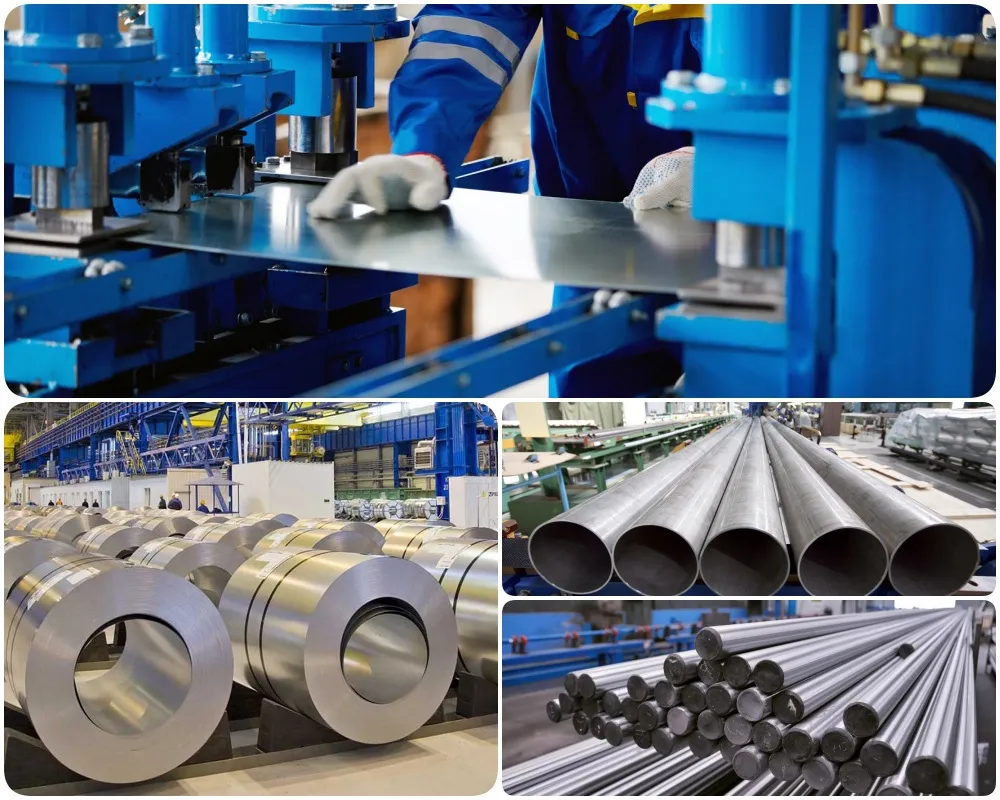
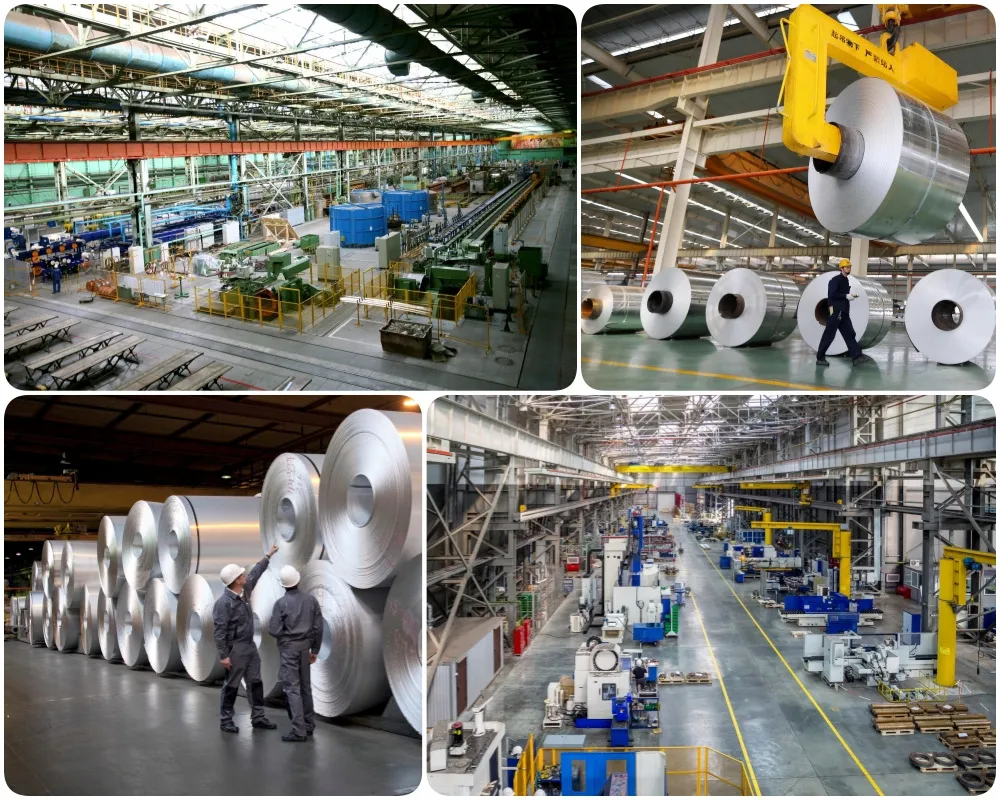
Gnee Group is a supply chain integrated enterprise including metal plate, coil, profile, outdoor landscape design and processing. Founded in 2008, with 5 million RMB registered capital, Gnee has made impressive progress and development in steel market with Gnee People more than 10 years hard fighting. At present, the total investment amount reaches 30 million RMB, workshop area more than 35000㎡, with over 200 employees. Gnee is becoming the most professional international metal supply chain company in China central plains with explicit strategic framework, integrated governance structure, firm management foundation, abundant fund and human power.
certificate

FAQ
Q: What is molybdenum alloy?
Q: What are the main applications of molybdenum alloys?
Q: What makes molybdenum alloys resistant to corrosion?
Q: Can molybdenum alloys withstand high temperatures?
Q: Are molybdenum alloys suitable for cryogenic applications?
Q: What are the different types of molybdenum alloys?
Q: Can molybdenum alloys be welded?
Q: Are molybdenum alloys biocompatible?
Q: Can molybdenum alloys be used in contact with food or pharmaceuticals?
Q: Do molybdenum alloys require any special surface treatment?
Q: Are molybdenum alloys magnetic?
Q: Can molybdenum alloys be used in seawater environments?
Q: What is the melting point of molybdenum alloys?
Q: Are molybdenum alloys lightweight?
Q: Can molybdenum alloys be recycled?
Q: Are molybdenum alloys resistant to oxidation?
Q: Can molybdenum alloys be used in electrical applications?
Q: Do molybdenum alloys have good mechanical properties?
Q: Can molybdenum alloys be machined easily?
Q: Is molybdenum a strong metal?
As one of the leading molybdenum alloy manufacturers and suppliers in China, we warmly welcome you to buy high-grade molybdenum alloy for sale here from our factory. All customized titanium products are with high quality and competitive price.
ASTM B387 Molybdenum Alloy Bar