


What Is Tantalum Alloy
Tantalum alloys are combinations of tantalum with other metals, designed to enhance specific properties while retaining tantalum's inherent benefits. Notable for their high melting points, excellent corrosion resistance, and biocompatibility, these alloys find applications in aerospace, electronics (especially in capacitors), and medical fields where implantable devices are used. Tantalum's low thermal expansion coefficient and high density are also desirable in alloy compositions, contributing to uses in high-performance engineering and defense sectors. Careful selection of alloying elements, such as aluminum, titanium, or copper, tailors the material properties to suit the demands of specialized industries.
High strength and ductility
Tantalum alloys combine high strength with good ductility, allowing them to be easily shaped and formed into complex geometries. This combination of properties is beneficial in applications that require both strength and flexibility, such as aerospace components, surgical implants, and high-pressure equipment.
Radiation resistance
Tantalum alloys exhibit good resistance to radiation damage, making them suitable for use in radiation-exposed environments. This radiation resistance is advantageous in nuclear reactors, where materials need to withstand the rigors of radiation exposure without undergoing significant degradation.
Low thermal expansion coefficient
Tantalum alloys have a low thermal expansion coefficient, meaning they expand minimally when heated. This property is beneficial in applications where dimensional stability is crucial, such as precision instrumentation and high-temperature components. The low thermal expansion coefficient helps maintain the accuracy and performance of the material even under thermal stress.
High chemical inertness
Tantalum alloys are chemically inert, meaning they do not easily react with other elements or compounds. This chemical inertness makes them suitable for use in chemical processing equipment, where exposure to harsh chemicals is common. The chemical inertness of tantalum alloys helps prevent corrosion and degradation, ensuring longer service life.
-

Niobium Ingot (Nb Ingot) has a high melting point, excellent corrosion resistance, and good processability. It can be made into milled products used in pharmaceuticals, semiconductors, aerospace,
Add to Inquiry -
Potassium Tantalate Niobate Crystal
It has been known since the 1950s that potassium tantalum niobate crystals have a very large electro-optical effect; i.e., a large change in refractive index with a relatively low applied voltage. To
Add to Inquiry -
Potassium Tantalate Crystal Substrates
Potassium Tantalate, KTaO3 Substrate, KTaO3 Single Crystal is a novel crystal having a perovskite structure and pyrochlore, has broad market prospects in superconducting thin film applications. Since
Add to Inquiry -
Tantalum single crystal applications 1. Electronics and semiconductors: Tantalum single crystal is used in the production of electronic components such as capacitors, semiconductors and integrated
Add to Inquiry -
These lithium tantalate crystals are greater than 99.99% pure. At GNEE, you can find high-quality lithium tantalate bulk crystals, wafers and substrates.
Add to Inquiry -
Tantalum wire mesh applications. 1. Filtration: Tantalum wire mesh is used in filtration applications due to its chemical resistance and ability to withstand high temperatures. It is commonly used as
Add to Inquiry -
Tantalum (Ta) is a refractory metal that is critical for microchip architectures in the high-growth semiconductor industry. High purity Tantalum targets are used to sputter microscopic thin layers of
Add to Inquiry -
Tantalum capillaries play an important role in electronic equipment due to their high melting point, low vapor pressure and good electrical properties. It is used in the manufacture of electronic
Add to Inquiry -
Tantalum wire and tape is corrosion resistant and has good thermal conductivity. Some of its uses are in the manufacture of heating elements, vacuum tubes and other high-temperature components.
Add to Inquiry -
GNEE specializes in the production of high-purity Tantalum briquettes with the highest possible density and the smallest possible average grain size for use in Chemical Vapor Deposition (CVD) and
Add to Inquiry -
Capacitor Grade Tantalum (Ta) Wire Specifications:. Diameter: Pure Tantalum. Purity: 99.95%. Diameter: 0.2-0.8mm. Standard: ASTM B 365
Add to Inquiry -
Tantalum is also commonly used in the nuclear industry, e.g. for components of nuclear reactors, as it is more resistant to radiation.
Add to Inquiry


Why Choose Us
High quality
Our products are manufactured or executed to a very high standard, using the finest materials and manufacturing processes.
Professional team
Our professional team collaborates and communicates effectively with each other, and is dedicated to delivering high quality results. We are capable of handling complex challenges and projects that require our specialized expertise and experience.
Advanced equipment
A machine, tool or instrument designed with advanced technology and functionality to perform highly specific tasks with greater precision, efficiency and reliability.
One-stop solution
At our manufacturing facilities, we provide a complete package that includes everything required to get you started, including training, installation and support.
Quality control
We have built a professional quality control team to accurately inspect every raw material and every production process.
24H online service
We try and respond to all concerns within 24 hours and our teams are always at your disposal in case of any emergencies.
Tantalum-niobium (ta-nb) alloys
Ta-nb alloys combine tantalum with niobium in different ratios to create materials with enhanced mechanical properties. These alloys are commonly used in capacitors due to their ability to form a stable oxide layer. The ratio of niobium to tantalum can significantly affect the alloy's properties, with higher niobium content generally providing better electrical properties.
Tantalum-niobium-zirconium (ta-nb-zr) alloys
Introducing zirconium into tantalum-niobium alloys can improve their mechanical strength and fracture toughness. These alloys are particularly useful in high-temperature applications where stability is crucial. The zirconium addition helps to prevent crack formation and enhances the overall durability of the material.
Tantalum-hafnium (ta-hf) alloys
Hafnium is another element that is sometimes added to tantalum to improve its properties. Ta-hf alloys exhibit improved high-temperature strength and creep resistance compared to pure tantalum. They are utilized in situations where resistance to deformation under heat and pressure is necessary.
Tantalum-columbium (ta-cb) alloys
Columbium, another name for niobium, is frequently combined with tantalum to create alloys with enhanced ductility and workability. These alloys are favored in applications requiring complex machining or forming operations. The presence of columbium makes the alloy more malleable without significantly compromising its corrosion resistance.
Tantalum-carbon (ta-c) alloys
Carbon is added to tantalum to create alloys with increased hardness and wear resistance. Ta-c alloys are used in cutting tools and other applications where scratch resistance is paramount. The carbon forms carbide particles within the matrix, which enhance the alloy's abrasion resistance.
Tantalum-tungsten (ta-w) alloys
Tungsten is another heavy metal that is alloyed with tantalum to create materials with high density and high elastic modulus. Ta-w alloys are often used in radiation shielding and ballistics due to their ability to absorb energy and resist penetration.
Tantalum-iron (ta-fe) alloys
Iron is added to tantalum primarily to reduce its cost while maintaining desirable properties. Ta-fe alloys have lower density than pure tantalum but still offer good corrosion resistance and high-temperature stability. They are used in applications where cost is a significant factor but performance is still required.
Understanding tantalum alloy
Tantalum alloy is highly resistant to corrosion and has a high melting point, but it can still oxidize and become brittle when exposed to air and moisture over time. Therefore, it's crucial to store tantalum alloy in a controlled environment that minimizes these risks.
Clean and dry environment
Store tantalum alloy in a clean, dry, and dust-free environment. Humidity can cause oxidation and corrosion, so it’s important to maintain a low relative humidity level in the storage area. Use dehumidifiers if necessary to control the humidity level.
Temperature control
Tantalum alloy should be stored at a consistent temperature to prevent thermal stress. Extreme temperatures can cause warping, cracking, or other forms of damage. A moderate room temperature is generally suitable for storing tantalum alloy.
Protective packaging
When storing tantalum alloy, use protective packaging materials such as plastic wrap, corrosion inhibitors, or desiccants to prevent moisture absorption and oxidation. Avoid contact with other metals to prevent galvanic corrosion.
Separation
If you need to store multiple pieces of tantalum alloy, separate them with non-reactive spacers or dividers to prevent direct contact between them. This helps reduce the risk of scratching or abrading the surfaces.
Avoiding contaminants
Keep the storage area free from contaminants such as acids, alkalis, oils, and greases, as these can react with tantalum alloy and cause corrosion. Regularly clean the storage area and equipment to remove any potential contaminants.
Proper handling
When handling tantalum alloy, use clean gloves to avoid transferring oils, salts, or other contaminants onto the surface. Avoid touching the alloy with bare hands as skin oils can cause contamination.
Application of Tantalum Alloy
In the medical industry, tantalum alloys are highly prized for their biocompatibility and corrosion resistance. They are extensively used in medical implants and devices, such as surgical instruments, orthopedic implants, and cardiovascular stents. Tantalum offers excellent compatibility with human tissue, significantly reducing the risk of adverse reactions. Additionally, tantalum's ability to osseointegrate, or bond with bone, makes it particularly suited for dental implants and bone plates. In the aerospace industry, tantalum alloys are valued for their ability to withstand extreme temperatures and corrosive environments. They are used in jet engines, rocket nozzles, and heat exchangers, where the material must endure high stresses and resist oxidation and other forms of chemical attack. The strength-to-weight ratio of tantalum alloys is also advantageous in aerospace applications, contributing to lighter and more efficient designs. In the energy sector, tantalum alloys are used in the construction of nuclear reactors due to their resistance to radiation damage and high melting point, which prevents structural failure under extreme conditions. Additionally, they are utilized in fuel cells, where their corrosion resistance ensures the longevity and efficiency of the cells. Research and development also utilize tantalum's unique properties, making it an essential material in various fields. It is used in high-energy physics experiments due to its ability to withstand particle irradiation. Moreover, tantalum is studied for its potential uses in quantum computing and nanotechnology due to its electron configuration and mechanical properties at the nanoscale.
Precautions When Using Tantalum Alloy
Handling precautions
Tantalum can become very hot during welding or other fabrication processes. Use insulated tools and handles to avoid burns. Additionally, handle tantalum with care as it can be brittle at room temperature and subject to stress fractures.
Contamination control
Tantalum can easily pick up contamination from the environment, which may compromise its integrity and performance. Ensure cleanliness in the work area and use cleanroom techniques, if necessary, to prevent contamination.
Electrical safety
Tantalum is an excellent conductor of electricity. When working with electrically charged tantalum parts, ensure that you are grounded or use anti-static devices to prevent static discharge.
Heat management
Tantalum has a high melting point but can still become soft at temperatures above 500°c (932°f). Implement proper cooling methods after heat treatments and avoid overheating tantalum parts during machining operations.
Welding and cutting precautions
When welding tantalum, use inert gas shielding to prevent oxidation. Tantalum dust produced during cutting operations can be hazardous; therefore, use appropriate ventilation systems to capture and contain the dust.
Storage and disposal
Store tantalum alloys away from chemicals that can react with them, such as strong acids or bases. Dispose of tantalum waste according to local regulations and guidelines for hazardous materials.

How Do I Choose the Right Tantalum Alloy
Corrosion resistance
Determine the type of environment the alloy will be exposed to. If the application involves exposure to highly corrosive substances like hydrofluoric acid or strong bases, you may need a purer form of tantalum or an alloy specifically designed for corrosion resistance.
Temperature tolerance
Assess the maximum operating temperature. Some tantalum alloys are better suited for high-temperature environments than others. If the alloy will be subjected to extreme heat, ensure that the alloy you choose has the necessary thermal stability.
Mechanical strength
Consider the mechanical loads the alloy will encounter. Different alloys have varying strengths and ductilities, so select one that can withstand the expected stress without failing.
Electrical properties
If the alloy will be used in an electronic component, its electrical conductivity and resistance to arcing are crucial. Some tantalum alloys are engineered for these properties, especially those used in capacitors.
Biocompatibility
For medical applications, the alloy must be non-reactive with body tissues and fluids. Pure tantalum is often preferred due to its high biocompatibility and osseointegration capabilities.
Availability
Check the availability of the alloy. Some specialized alloys might be harder to source, which could affect your project timeline and budget.
Manufacturing needs
Consider the manufacturing processes involved in creating the final product. Some alloys are easier to machine or weld than others, which could impact production costs and feasibility.
Production Methods of Tantalum Alloy
The primary production method of tantalum alloys involves powder metallurgy, which allows for the creation of materials with precisely controlled compositions and properties. The process begins with the production of tantalum powder, which is typically obtained through the reduction of tantalum oxide (Ta2O5) with hydrogen at high temperatures. The resulting powder is then subjected to various processes to improve its flowability and packing characteristics, which are crucial for subsequent densification steps. Mixing the tantalum powder with other metal powders is the next step in creating an alloy. This can be done manually or using automated mixing equipment. The mixture must be thoroughly blended to ensure uniform distribution of the alloying elements within the tantalum matrix. Once the powder mixture is prepared, it is compacted into a desired shape using a hydraulic press or an isostatic pressing technique. This step is known as "green forming" because the compacted material, or "green body," is still porous and must be sintered to achieve full density. Sintering is a critical step in the production of tantalum alloys and is typically carried out in a vacuum or inert atmosphere to prevent oxidation. During sintering, the green body is heated to a temperature just below the melting point of tantalum, causing the particles to bond together and form a dense, solid mass. The sintering time and temperature are carefully controlled to optimize the microstructure and mechanical properties of the alloy. In some cases, additional processing steps may be required to further enhance the properties of the tantalum alloy. For example, heat treatment can be used to relieve residual stresses and improve the ductility of the material. Annealing is another common post-sintering process that can improve the machinability and electrical conductivity of the alloy. Finally, the tantalum alloy can be machined and finished according to specific requirements. This may involve grinding, polishing, or other surface treatments to achieve the desired dimensional tolerances and surface finish.
Niobium (Columbium)
Niobium is chemically similar to tantalum and is frequently used in alloys to improve weldability and reduce the risk of cracking. Niobium additions can also modify the grain size and strength of the alloy.
Carbon
The addition of carbon to tantalum can significantly increase its strength and hardness. Tantalum carbides are some of the hardest materials known and are often used in the form of coatings or as dispersoids within metal matrices to improve wear resistance and high-temperature stability.
Titanium
Titanium is another element that can be alloyed with tantalum to improve mechanical properties. Titanium tantalum alloys exhibit high specific strength and corrosion resistance, making them suitable for aerospace and biomedical applications.
Zirconium
Zirconium can be added to tantalum to enhance the overall corrosion resistance of the alloy, particularly in environments where oxidizing agentz are present.
Gallium
Gallium additions can improve the ductility of tantalum at low temperatures, making it more suitable for cryogenic applications.
What Makes Tantalum Alloys Corrosion Resistant?
Tantalum alloys exhibit remarkable corrosion resistance due to a combination of factors related to their atomic structure and chemical properties. At the heart of this resistance lies tantalum's strong affinity for oxygen, which forms a stable, passive oxide layer when the metal is exposed to air or water. This oxide layer, Ta2O5, is only a few nanometers thick but is sufficient to protect the bulk metal from further oxidation or reaction with most corrosive substances. The stability of the passive oxide layer is attributed to tantalum's high redox potential, which means it has a strong tendency to accept electrons from other substances. As a result, the oxide layer remains firmly adhered to the metal surface even under conditions where other metals might lose their protective coatings. Furthermore, the passive layer is self-repairing; if it is breached or damaged, exposure to oxygen or another oxidizing agent will quickly restore the integrity of the layer.Tantalum's corrosion resistance is also enhanced by its high melting point (over 3000°C), which implies a strong metallic bond and a dense crystal structure. This dense structure makes it difficult for corrosive species to penetrate the metal, thus slowing down any potential attack from acids, salts, or other corrosive agents. The corrosion resistance of tantalum alloys makes them ideal for use in aggressive environments, such as chemical processing plants, power generation facilities, and medical implants. In the medical field, tantalum's biocompatibility and ability to resist corrosion from bodily fluids make it suitable for surgical instruments, implantable devices, and as a component in bone cements.
Tantalum alloys possess an array of impressive mechanical properties that make them highly sought after for specialized applications in various engineering fields. One of the most notable features of tantalum is its high melting point, which exceeds 3000°C, ensuring durability under extreme temperature conditions. Additionally, tantalum has a high modulus of elasticity, meaning that it can withstand significant stress without permanent deformation, contributing to its structural integrity. Corrosion resistance is another key attribute of tantalum alloys. Pure tantalum and its alloys demonstrate exceptional resistance to a wide range of corrosive media, including many acids and alkalis, owing to the formation of a stable, protective oxide layer on the metal surface. This characteristic renders tantalum alloys ideal for use in aggressive environments, such as chemical processing plants and medical devices that require biocompatibility. Furthermore, tantalum alloys exhibit good ductility at room temperature, enabling them to be drawn into wires or rolled into thin sheets. However, the ductility decreases with increasing temperature, which means that these alloys maintain their shape and structural stability under high-temperature applications. This property is particularly valuable in high-performance engineering sectors where components must withstand thermal cycling and temperature fluctuations.Tantalum's mechanical properties can be further enhanced through alloying. For instance, the addition of carbon to form tantalum carbide significantly increases the hardness and wear resistance of the alloy. Titanium and niobium additions can improve the strength and toughness, making the alloys more resistant to fracture under impact or stress concentration.

Are Tantalum Alloys Magnetic?

Tantalum itself is a paramagnetic metal, meaning it exhibits weak magnetic properties only when in the presence of an external magnetic field. In the absence of such a field, tantalum does not exhibit permanent magnetism. This characteristic is a result of the electron configuration of tantalum, which has a half-filled d-subshell, allowing for a small degree of magnetization under the influence of an external magnetic field. When tantalum is alloyed with other elements, the magnetic properties of the resultant alloy can vary depending on the composition and the specific elements involved. Some alloying elements may strengthen the magnetic response slightly, while others could introduce anti-ferromagnetic or ferromagnetic characteristics if they contain uncompensated magnetic moments. However, most tantalum alloys remain predominantly paramagnetic due to the predominance of the non-magnetic tantalum in the alloy.The magnetic behavior of tantalum alloys is generally not a significant consideration in their applications. Their primary value lies in their high melting point, excellent corrosion resistance, and biocompatibility. These properties make tantalum alloys suitable for uses where magnetic properties are either irrelevant or undesirable, such as in medical implants, chemical processing equipment, and electronics components.
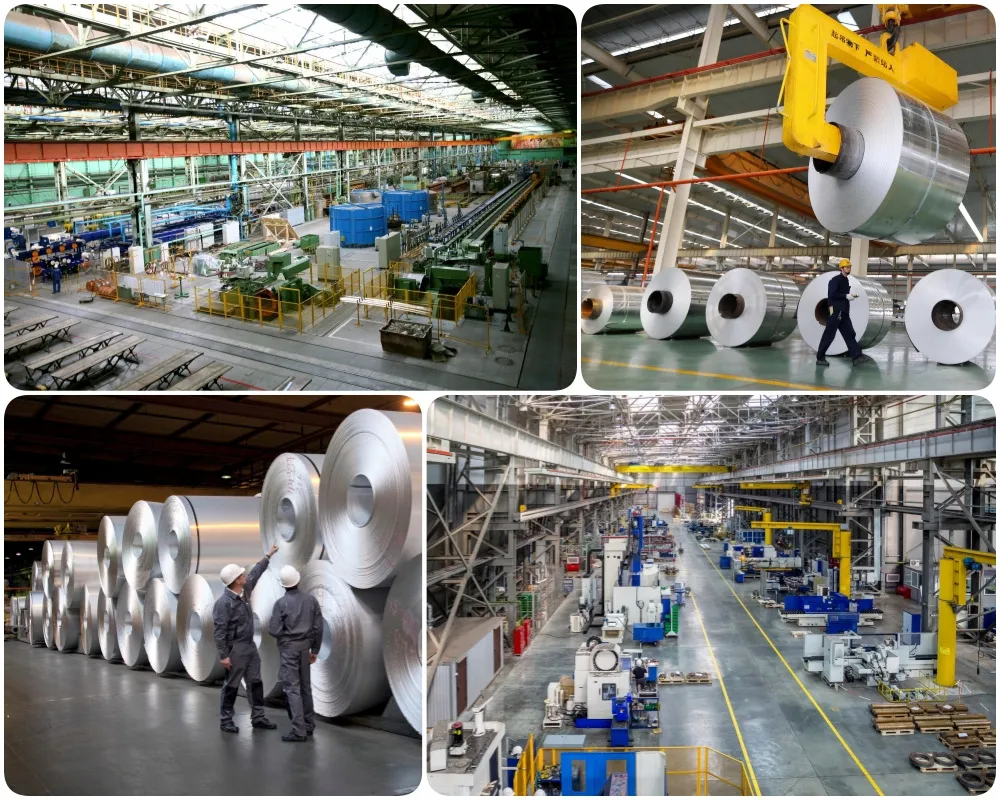
Our factory
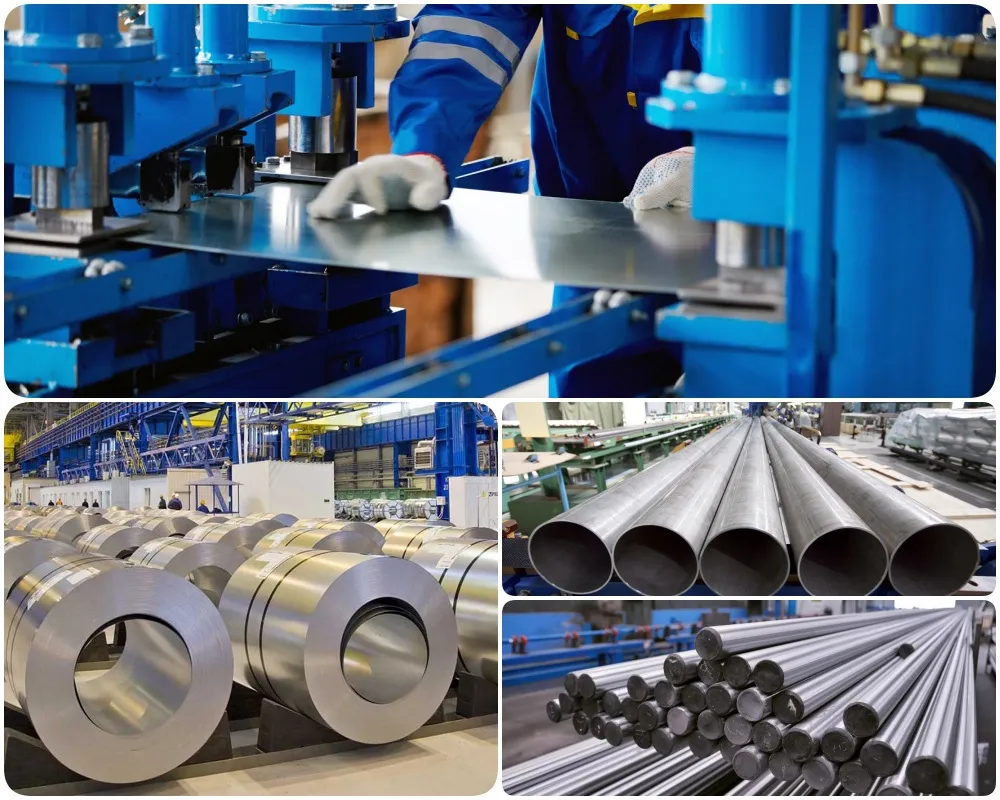
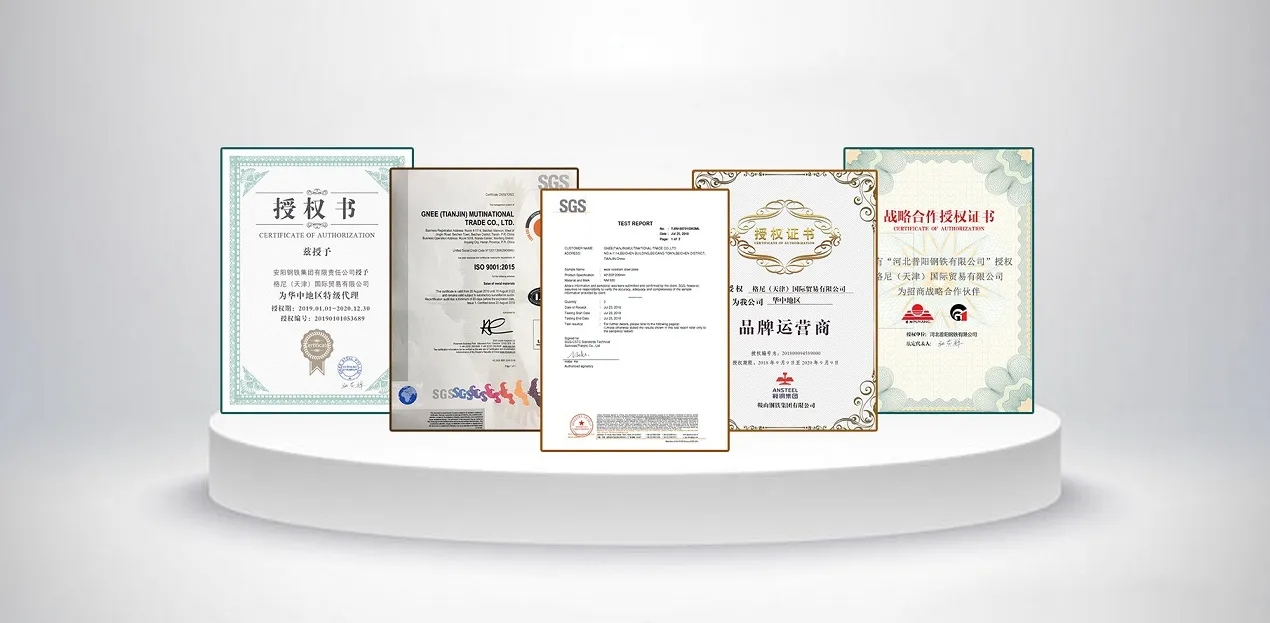
certificate
FAQ
Q: What are the main applications of tantalum alloys?
Q: What makes tantalum alloys corrosion resistant?
Q: Can tantalum alloys be used in high-temperature applications?
Q: Are tantalum alloys suitable for cryogenic applications?
Q: What are the different types of tantalum alloys?
Q: Can tantalum alloys be welded?
Q: Are tantalum alloys biocompatible?
Q: Can tantalum alloys be used in contact with food or pharmaceuticals?
Q: Do tantalum alloys require any special surface treatment?
Q: Are tantalum alloys magnetic?
Q: What is the melting point of tantalum alloys?
Q: Are tantalum alloys lightweight?
Q: Can tantalum alloys be recycled?
Q: Are tantalum alloys resistant to oxidation?
Q: Do tantalum alloys have good mechanical properties?
Q: Can tantalum alloys be machined easily?
Q: Can tantalum alloys be used in nuclear applications?
Q: Are tantalum alloys resistant to chemical attack?
Q: Can tantalum alloys be used in jewelry?
Q: Can tantalum alloys be used in aerospace applications?
As one of the leading tantalum alloy manufacturers and suppliers in China, we warmly welcome you to buy high-grade tantalum alloy for sale here from our factory. All customized titanium products are with high quality and competitive price.
tantalum alloy for internal applications, tantalum alloy for coated applications, tantalum alloy for textured applications