


What Are Nickel Alloys
Nickel alloys are a family of materials composed predominantly of nickel, combined with other elements such as chromium, iron, molybdenum, and copper, among others. These alloys are renowned for their exceptional resistance to corrosion and high temperatures, along with remarkable mechanical properties like strength and ductility at extreme conditions. Their composition is engineered to meet specific performance criteria, making them indispensable in industries like aerospace, chemical processing, and power generation, where they serve critical roles in components exposed to harsh environments. Examples include Inconel, Monel, and Hastelloy, each tailored to address particular challenges in service.
High-temperature strength and stability
Nickel alloys exhibit exceptional strength and stability at elevated temperatures, making them ideal for use in high-temperature applications. They can maintain their mechanical properties even under extreme thermal conditions, such as those found in jet engines, gas turbines, and industrial furnaces.
Excellent corrosion resistance
Nickel alloys possess outstanding resistance to corrosion in harsh environments. This resistance is enhanced by the addition of chromium, molybdenum, and other elements, which form protective oxide layers on the alloy's surface. This makes nickel alloys suitable for use in chemical processing, marine applications, and other corrosive environments.
Good thermal conductivity
Nickel alloys have good thermal conductivity, which means they can effectively transfer heat from one part of the material to another. This property is beneficial in applications where heat dissipation is crucial, such as in electronic components and thermal management systems.
Magnetic properties
Some nickel alloys, such as nickel-iron alloys, exhibit strong magnetic properties. This makes them suitable for use in electromagnetic devices, transformers, motors, and generators. The magnetic properties of these alloys can be tailored by adjusting their composition to meet specific application requirements.
High ductility and toughness
Nickel alloys are known for their high ductility and toughness, which allow them to be formed into complex shapes and structures without losing their mechanical integrity. This ductility and toughness also contribute to the alloys' resistance to impact damage and fatigue failure.
Low thermal expansion coefficient
Nickel alloys typically have a low coefficient of thermal expansion, meaning they expand less when heated. This property is beneficial in applications where precise dimensional stability is required, such as in precision instrumentation, optical systems, and electronic components.
-

Zirconium alloys are solid solutions of zirconium or other metals and are a common subclass trademarked as Zircloy.
Add to Inquiry -
Nickel-titanium Alloy Tubing for Medical Devices
Medical nitinol processing transforms raw nickel-titanium alloy into wire, coils, tubes and sheets for medical and dental device manufacturers.
Add to Inquiry -
Incoloy 825 is a nickel-iron-chromium alloy that offers excellent corrosion resistance in acidic and oxidizing environments. It also provides good resistance to stress-corrosion cracking and pitting.
Add to Inquiry -
ASTM B407 UNS N08810 Incoloy 800H Seamless Pipes
Size: 4 - 219 mm. Thickness: 0.5 - 20 mm. Length: single, double random and cut lengths
Add to Inquiry -
Inconel 600 UNS N06600 Nickel Pipe
Nickel Alloy 600 (N06600) is a nickel-chromium-iron alloy with good oxidation resistance at elevated temperatures and resistance to chloride-ion stress corrosion, cracking corrosion, and alkali
Add to Inquiry -
ASTM B444 Nickel Alloy N06625 Seamless Tubes
ASTM B444 is a very common standard used for seamless nickel alloy tubing. This standard mainly includes Inconel 625 (UNS N06625) and two other materials. The main products are seamless tubes.
Add to Inquiry -
Nickel 200 201 Seamless Alloy Tubes
Nickel 200 tubing is a nickel-based alloy with excellent mechanical properties and strength.
Add to Inquiry -
Super Alloy Incoloy 020 (UNS N08020) Seamless Tube
Incoloy 020 (UNS N08020) has excellent resistance to chemicals containing sulphuric acid and good resistance to environments containing chlorides, phosphoric acid and nitric acid. It contains
Add to Inquiry -
Seamless Incoloy 800HT 825 Nickel Alloy Pipes
Nickel alloys are ideally suited for heat exchangers in the chemical processing and nuclear industries. They are used in steam generator pipework for the nuclear power industry, in high temperature
Add to Inquiry -
Incoloy 800H UNS N08810 Nickel Steel Tube
Characteristic as below:. Excellent corrosion resistance in the water media of the extremely high temperature of 500℃.. Good stress corrosion resistance . Good machining
Add to Inquiry -
Nickel GH3030 Superalloy High Temperature Tube
GH3030 is a solid solution strengthened high temperature alloy with simple chemical composition, good hot strength and high plasticity below 800℃, good oxidation resistance, hot fatigue, cold
Add to Inquiry -
UNS N10276 Nickel Seamless Pipes
Nickel-based alloys are very useful materials for manufacturing high-quality tubular products. One of the key reasons for this is their excellent corrosion resistance in aqueous and high temperature
Add to Inquiry


Why Choose Us
High quality
Our products are manufactured or executed to a very high standard, using the finest materials and manufacturing processes.
Professional team
Our professional team collaborates and communicates effectively with each other, and is dedicated to delivering high quality results. We are capable of handling complex challenges and projects that require our specialized expertise and experience.
Advanced equipment
A machine, tool or instrument designed with advanced technology and functionality to perform highly specific tasks with greater precision, efficiency and reliability.
One-stop solution
At our manufacturing facilities, we provide a complete package that includes everything required to get you started, including training, installation and support.
Quality control
We have built a professional quality control team to accurately inspect every raw material and every production process.
24H online service
We try and respond to all concerns within 24 hours and our teams are always at your disposal in case of any emergencies.
Types of Nickel Alloys
Monel
A classic nickel alloy that contains approximately 66% to 70% nickel, with the remainder primarily copper. Monel is highly resistant to corrosion from seawater and other aggressive environments, which makes it a favorite in marine applications, including ship propeller shafts and piping.
Inconel
This family of alloys is known for its outstanding resistance to high temperatures and corrosion. Inconel alloys usually have a high nickel content, often combined with chromium, iron, and aluminum. Inconel is widely used in jet engine parts, chemical processing equipment, and heat exchangers due to its strength and stability under extreme conditions.
Hastelloy
Hastelloy alloys are renowned for their corrosion resistance, particularly against pitting, crevice, and stress corrosion cracking. They often contain nickel, molybdenum, and chromium, with some variations incorporating tungsten or iron. Hastelloy is used in the oil and gas industry, chemical processing plants, and nuclear reactors.
Nimonic
Nimonic alloys are a combination of nickel, chromium, and usually aluminum. They are characterized by their high strength-to-weight ratio and resistance to wear and corrosion at elevated temperatures. Nimonic alloys are commonly found in high-temperature parts of jet engines and other aircraft components.
Kovar
Kovar is an alloy of nickel, iron, and cobalt that has a thermal expansion coefficient closely matching that of glass or ceramic. This makes Kovar ideal for sealing hermetic devices such as electronic packages and vacuum tubes.
Invar
Invar is a nickel-iron alloy with an exceptionally low coefficient of thermal expansion. It maintains its shape despite temperature changes, which is why Invar is used in precision instruments, architectural applications, and micro-electromechanical systems (MEMS).
Permalloy
Permalloys are nickel-iron alloys with high magnetic permeability and low coercivity. They are used in transformers, inductors, and magnetic shielding where a stable magnetic field is required.
Alnico
Alnico alloys are primarily used for their magnetism and are composed of aluminum, nickel, and cobalt, with smaller amounts of iron and sometimes titanium. Alnico magnets are used in electric guitar pickups, industrial motors, and scientific instruments.
Nicrofer
Nicrofer alloys are nickel-chromium-iron combinations designed for corrosion resistance in various acidic environments. These alloys are utilized in the chemical process industry, especially in components that require protection against sulfuric and hydrochloric acids.
Understanding the material
Before storage, it's essential to understand the properties of nickel alloys. They often have a high resistance to corrosion and are used in harsh environments. However, they can still be susceptible to certain types of corrosion, especially in the presence of moisture, salts, or other corrosive agents.
Controlled environment
Nickel alloys should ideally be stored in a controlled environment free from contaminants. This means keeping them away from sources of humidity, corrosive fumes, and direct sunlight. A dry, climate-controlled facility is ideal for long-term storage.
Separation
To prevent surface contamination and scratching, nickel alloy materials should be separated from one another with protective sheeting or spacers. If there are multiple grades or types of nickel alloys, it’s crucial to keep them apart to avoid cross-contamination that could alter their properties.
Packaging
The materials should be carefully packaged to protect them during storage and any potential transport. Packaging options may include plastic wraps, corrosion-resistant films, or sealed containers. For cut pieces or smaller items, foam or plastic separators can be used to keep them from touching each other.
Ventilation
Proper ventilation is key to preventing the accumulation of corrosive vapors. Ensure that the storage area has adequate airflow to dissipate any moisture or gases that could cause oxidation or other forms of corrosion.
Temperature control
Maintain a consistent and moderate temperature within the storage area. Extreme temperatures can cause metal stress and even affect the alloy's microstructure, leading to reduced performance.
Protection from mechanical damage
Nickel alloys can be susceptible to denting, bending, or other forms of physical damage. Therefore, it’s important to pad or support the materials adequately, especially if they are long rods, bars, or sheets that might sag or bend under their own weight.
Application of Nickel Alloys
In the aerospace industry, nickel alloys are extensively used in the construction of jet engines. Their ability to withstand high temperatures without losing strength or ductility is crucial for the turbine blades and other hot sections of the engine. Inconel, for instance, is a commonly used nickel alloy in jet engines due to its excellent resistance to corrosion and oxidation at high temperatures. The chemical processing industry also relies heavily on nickel alloys. Due to their resistance to corrosion from a wide range of chemicals, nickel alloys are used in the manufacture of tanks, pipes, and other equipment used in chemical processing plants. Hastelloy and Monel are two common nickel alloys used in this industry, with Hastelloy being particularly resistant to corrosion from sulfuric acid, and Monel being resistant to seawater corrosion. In the oil and gas industry, nickel alloys are used in drilling equipment and pipelines due to their resistance to corrosion from sour gas and other aggressive environments. Nimonic alloys are commonly used in this industry due to their high strength-to-weight ratio and resistance to wear and corrosion at elevated temperatures. Nuclear reactors also use nickel alloys in the construction of reactor vessels and other components. Their excellent resistance to radiation damage and corrosion from water makes them ideal for use in nuclear reactors. Electrical engineering also benefits from the use of nickel alloys. Permalloy, an alloy of nickel and iron, is used in the manufacture of transformers and inductors due to its high magnetic permeability and low coercivity. This allows for more efficient operation of these electrical components. Precision instruments and architectural applications also utilize nickel alloys. Invar, an alloy of nickel and iron, is used in the manufacture of precision instruments and in architectural applications where dimensional stability is required. Its low coefficient of thermal expansion ensures that it maintains its shape despite temperature changes.
Precautions When Using Nickel Alloys
Handling and storage
Nickel alloys should be handled carefully to prevent damage or contamination. They should be stored in a clean, dry place away from sources of heat, moisture, and corrosive substances. Protective gloves and clothing should be worn when handling nickel alloys to prevent skin contact, which can cause allergic reactions in some individuals.
Respiratory protection
When machining or welding nickel alloys, fine particles can be released into the air. Proper ventilation is essential to minimize exposure to these particles. Respirators or dust masks may be required depending on the level of particulate matter generated during the process.
Eye protection
During cutting, machining, or grinding operations, nickel alloy particles can become airborne. Safety goggles or face shields should be worn to protect the eyes from flying debris.
Corrosion control
Nickel alloys are resistant to many forms of corrosion, but they can still corrode under certain conditions. Protective coatings or treatments may be necessary to prevent corrosion in environments where the alloy may be exposed to corrosive substances.
Heat treatment
Heat treatment processes like annealing, quenching, and tempering can significantly change the mechanical properties of nickel alloys. It is crucial to follow precise temperature control and cooling procedures to achieve the desired material properties. Improper heat treatment can lead to embrittlement or loss of corrosion resistance.
Welding considerations
Welding nickel alloys requires special attention due to their susceptibility to hot cracking and solidification shrinkage. Preheating and post-weld annealing may be necessary to mitigate these issues. Additionally, using appropriate filler metals and techniques is critical to ensure the integrity of the welded joint.
Biocompatibility
Some nickel alloys are used in biomedical applications due to their corrosion resistance and mechanical properties. However, nickel can cause allergic reactions in some individuals. When using nickel alloys in medical implants or devices, it is important to consider the biocompatibility and perform appropriate testing to ensure safety.
Disposal
Nickel alloys can be considered hazardous waste if they are contaminated or damaged. Proper disposal methods must be followed to prevent environmental contamination. Consult local regulations for guidance on the disposal of nickel alloy waste.
How Do I Choose the Right Nickel Alloys
Service conditions
The environment in which the alloy will be used is paramount. Will it be exposed to high temperatures, corrosive chemicals, or abrasion? For high-temperature applications, alloys like Inconel 600 or 625 are suitable due to their excellent thermal stability. For corrosion resistance, consider materials like Hastelloy C-276 or Monel 400, which are resistant to a variety of acids and alkalis.
Mechanical properties
The required strength, ductility, and hardness of the alloy depend on the stresses it will encounter. Some applications may require high yield strength and toughness, which can be found in alloys like Inconel 718 or Haynes 182. Others may prioritize formability or weldability, in which case Inconel 600 or Incoloy 825 might be more appropriate.
Fabrication needs
The ease with which the alloy can be machined, formed, or welded is important for manufacturing processes. Some nickel alloys, like Inconel 625, offer good hot workability but can be challenging to machine in their annealed state. Others, such as Incoloy 800H, are easier to fabricate but may have different performance characteristics under load.
Composition specifics
The exact composition of the alloy can influence its characteristics. For instance, the addition of chromium improves resistance to oxidizing media, while molybdenum enhances protection against reducing acids. Understanding the role of each element in the alloy’s matrix can help tailor the selection to the specific demands of the environment.
Production Methods of Nickel Alloys
Melting
The initial stage in producing nickel alloys is the melting of nickel and other alloying elements. This can be accomplished using either electric arc furnaces or induction furnaces, depending on the specific requirements and quantities involved. Melting is carefully controlled to avoid contamination and ensure the correct composition of the alloy.
Alloying
Once the nickel is melted, additional elements such as chromium, molybdenum, cobalt, iron, and aluminum are added to achieve the desired alloy composition. These elements are typically added as ferroalloys or as pure elements. The exact combination and proportions depend on the properties required for the final alloy.
Refining
After the alloying process, the molten alloy is refined to remove impurities and adjust the homogeneity of the mixture. Refinement can involve deoxidization, sulfide removal, and other processes to improve the overall quality of the alloy.
Casting
For many applications, the nickel alloy is cast into billets, bars, or ingots after refining. Casting methods include sand casting, investment casting (lost-wax casting), and centrifugal casting. Each method offers different capabilities in terms of geometric complexity and production volumes. The cast product then undergoes heat treatment to relieve stresses and optimize the microstructure of the alloy.
Wrought processing
Alternatively, nickel alloys can be processed into wrought forms such as sheets, plates, tubes, and wires. This involves rolling, extrusion, forging, and drawing processes. These wrought products are then subject to heat treatment and possibly further worked to achieve the desired mechanical properties and dimensions.
Precipitation hardening
Certain nickel alloys, such as some Alnico or NiSpanC alloys, can be strengthened through precipitation hardening. This process involves heating the alloy to a high temperature, followed by rapid cooling, and then subsequent reheating to a lower temperature to precipitate fine particles within the metal matrix, thereby increasing its strength and hardness.
Quality control
Throughout the production process, strict quality control measures are implemented to ensure that the alloy meets the specified chemical and mechanical property requirements. Testing methods may include chemical analysis, tensile testing, impact testing, and metallographic examinations.
What Are the Components of Nickel Alloys
Chromium
Chromium is added to nickel alloys mainly to improve its oxidation resistance, thereby enhancing the corrosion resistance of the alloy. It forms a stable chromium oxide passivation film on the surface, protecting the metal underneath. Chromium also helps increase the alloy's strength and heat resistance.
Molybdenum
Molybdenum improves the corrosion resistance of nickel alloys, especially against pitting and crevice corrosion in chloride environments. It also increases the strength of the alloy and increases the temperature at which that strength is maintained.
Cobalt
The addition of cobalt gives the alloy high strength and toughness, even at temperatures above 600°C (1112°F). It also enhances wear resistance and increases allowable stress in high temperature applications.
Titanium and aluminum
These elements are used as deoxidizers and grain refiners in nickel alloys. Titanium and aluminum form intermetallic compounds that anchor grain boundaries, helping to prevent recrystallization and maintain the integrity of the material at high temperatures.
Iron
Iron is often included in nickel alloys to enhance their mechanical properties, reduce costs and provide good overall performance. It adds strength and makes the alloy less brittle at low temperatures.
Copper
Copper can be added to some nickel alloys to improve their strength and corrosion resistance, especially to prevent stress corrosion cracking. It also has excellent resistance to hydrochloric acid.
Molybdenum
As mentioned earlier, molybdenum is critical for corrosion resistance, especially against pitting and crevice corrosion. It also helps increase the strength of the alloy.
Tungsten
Tungsten is sometimes added to nickel alloys to increase their density and enhance repairability and creep resistance at high temperatures.
Niobium (Niobium)
Niobium is used to increase high temperature strength and corrosion resistance. It forms an intermetallic phase that stabilizes the microstructure under rapid cooling conditions.
Zirconium
Zirconium was chosen for its corrosion resistance, especially in aqueous environments. It has a low coefficient of thermal expansion and is heat-resistant and wear-resistant.

Can Nickel Alloys Be Welded?
Nickel alloys, due to their excellent corrosion resistance and high-temperature strength, are widely employed in critical industrial applications. However, the welding of these alloys poses several challenges due to their chemical composition and physical properties. Welding nickel alloys requires careful consideration of the process parameters and the selection of appropriate filler materials to mitigate the risks of deleterious effects such as hot cracking, solidification disorders, and excessive hardening of the heat-affected zone (HAZ). One of the primary concerns when welding nickel alloys is the tendency for the weld metal to be sensitive to hot cracks. This is because nickel alloys have a high affinity for sulfur, which can lead to the formation of nickel sulfide inclusions during solidification. To minimize this risk, preheating may be necessary to reduce the diffusible hydrogen level and slow down the cooling rate of the weld pool. Post-weld heat treatment is also often required to relieve residual stresses and redistribute precipitates, which helps to reduce the hardness and susceptibility to cracking. Selecting the right welding process is crucial for successful welding of nickel alloys. Common welding processes include gas tungsten arc welding (GTAW), gas metal arc welding (GMAW), electron beam welding (EBW), and resistance seam welding. GTAW is frequently preferred for its precision and ability to produce clean welds with minimal spatter. GMAW, with its higher deposition rates, is also a viable option but requires careful control of shielding gases and heat input. EBW offers deep penetration and is well-suited for welding thin sections or joining dissimilar metals.Filler metal selection is another key aspect of welding nickel alloys. Filler metals must be compatible with the base metal and provide the necessary corrosion resistance and mechanical properties. Nickel-based filler metals are commonly used, and they can be matched or mismatched to the base alloy, depending on the service conditions and required properties. The filler metal should also be thoroughly degassed before use to prevent entrapment of hydrogen, which can cause cold shuts or other defects. Consumables such as fluxes or inert gases like argon or helium can be used to protect the weld from atmospheric contamination and to stabilize the arc. In some cases, fluxes can also aid in the slag formation, which can help to prevent weld metal contamination.
Can Nickel Alloys Be Heat Treated?
Nickel alloys are renowned for their outstanding mechanical properties and resistance to corrosion at high temperatures, largely due to heat treatment processes that refine their microstructures and optimize their performance. Heat treatment involves a series of processes such as annealing, solution treatment, aging, precipitation hardening, and tempering, each tailored to the specific characteristics and requirements of the nickel alloy in question. Annealing is a common heat treatment process applied to nickel alloys to relieve internal stresses, improve ductility, and facilitate forming or machining. During annealing, the alloy is heated to a temperature above the recrystallization temperature and then cooled at an appropriate rate. This process allows new strain-free grains to grow, effectively eliminating previous work hardening effects. Solution treatment, also known as full anneal, is utilized to achieve a single-phase microstructure in age-hardenable nickel alloys. This treatment involves raising the alloy to a temperature above the solid solubility limit of the strengthening elements and then rapidly quenching it to freeze in these elements in solid solution. This process is preparatory for subsequent aging or precipitation treatments. Precipitation hardening is a method used to significantly increase the yield strength of nickel alloys. After solution treatment, the alloy is subjected to a controlled heating cycle that encourages the precipitation of certain phases within the matrix. The rate of cooling after this treatment can affect the size and distribution of precipitates, which in turn determines the mechanical properties of the alloy. Age hardening is a related process where the alloy is held at elevated temperatures for specific time intervals to induce the precipitation of hardening phases. This process is carefully controlled to achieve the desired strength without overly compromising ductility. Controlling the heat treatment parameters, including temperature, time, heating and cooling rates, and the nature of the thermal cycles, is crucial for achieving the desired properties in nickel alloys. For instance, too rapid a cooling rate might result in retained stresses or a non-homogeneous microstructure, while too slow a rate might allow unwanted phases to precipitate prematurely. The effectiveness of heat treatment on nickel alloys depends on the alloy's composition and the specific service conditions it will encounter. Some alloys may require multiple heat treatment steps or combinations thereof to achieve optimal balance between strength, ductility, and corrosion resistance.
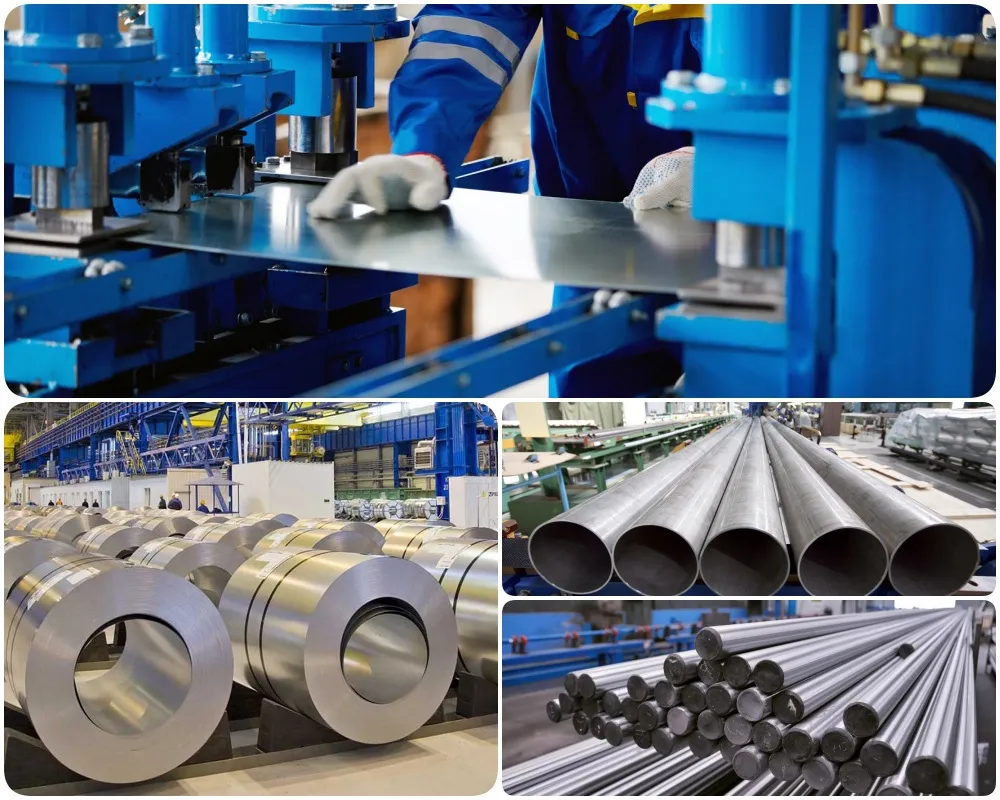
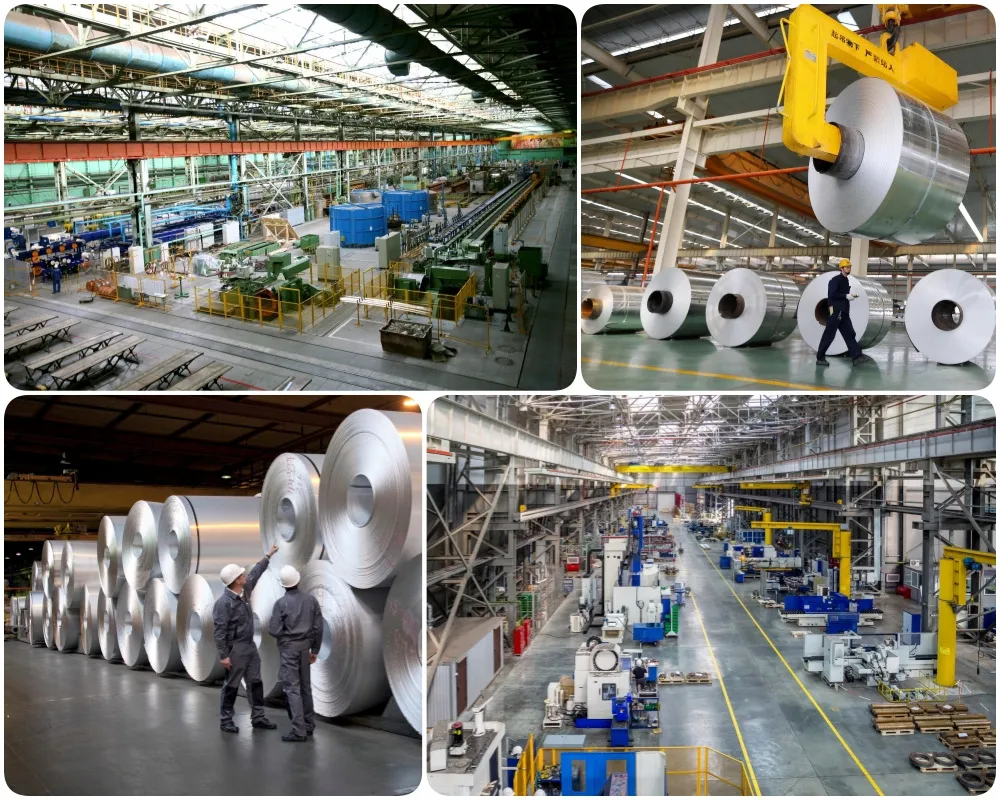
Our factory
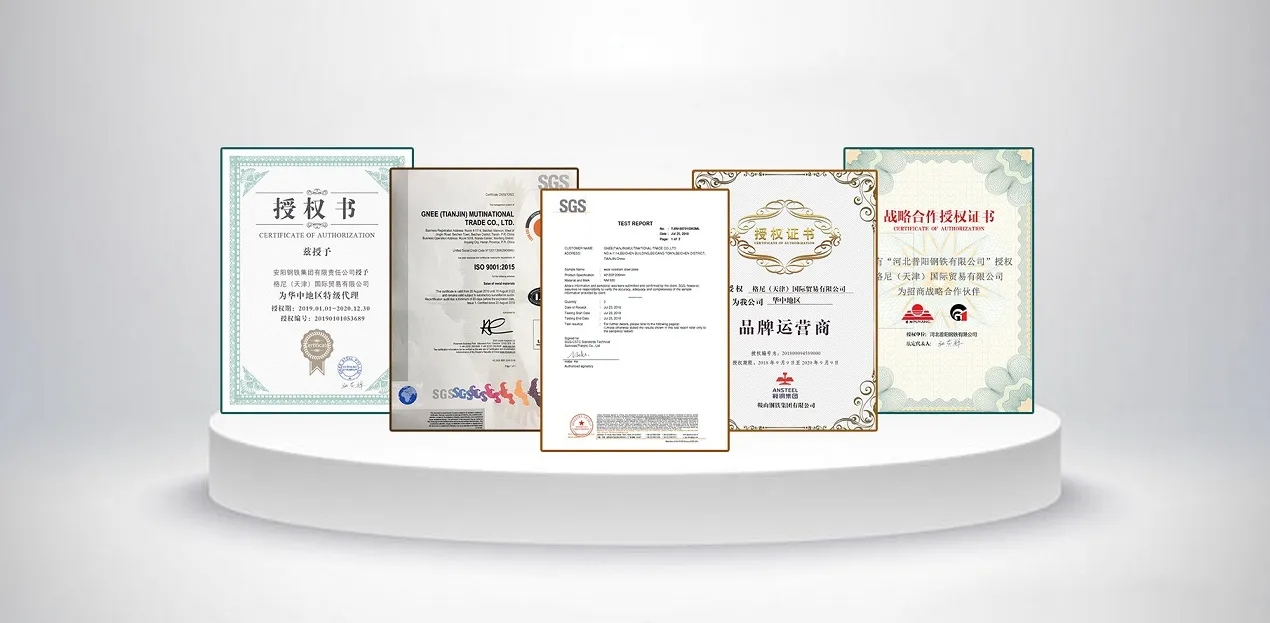
certificate
FAQ
Q: What are the properties of nickel alloys?
Q: What are the common uses of nickel alloys?
Q: Can nickel alloys withstand high temperatures?
Q: Are nickel alloys magnetic?
Q: Can nickel alloys be welded?
Q: Are nickel alloys suitable for seawater applications?
Q: Can nickel alloys be used in acidic environments?
Q: Can nickel alloys be used in high-pressure applications?
Q: Are nickel alloys suitable for food processing?
Q: Can nickel alloys be used in nuclear power plants?
Q: Can nickel alloys be used in electrical applications?
Q: Can nickel alloys be machined easily?
Q: Can nickel alloys be heat treated?
Q: Are nickel alloys resistant to hydrogen embrittlement?
Q: Can nickel alloys be used in medical implants?
Q: Can nickel alloys be plated or coated?
Q: Can nickel alloys be recycled?
Q: Can nickel alloys be used in additive manufacturing (3d printing)?
Q: Can nickel alloys be used in automotive applications?
Q: Can nickel alloys be used in aerospace applications?
As one of the leading nickel alloys manufacturers and suppliers in China, we warmly welcome you to buy high-grade nickel alloys for sale here from our factory. All customized titanium products are with high quality and competitive price.
nickel alloy competitors, nickel alloy training, nickel alloy supplier selection