


What Is Titanium Plate
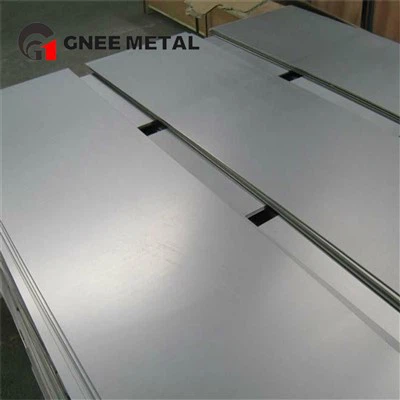
Titanium plate is a type of metal stock cut from titanium, a lustrous silver-gray transition metal renowned for its high strength-to-weight ratio, excellent corrosion resistance, and biocompatibility. Available in various grades, thicknesses, and dimensions, titanium plates are utilized across aerospace, marine, chemical processing, and biomedical industries. Their lightweight nature, combined with durability and resistance to chlorides and other corrosive agents, makes them ideal for demanding applications where weight savings and reliability are paramount. Additionally, titanium plates offer good thermal conductivity and low thermal expansion, further expanding their utility in specialized engineering fields.
High strength and light weight
Titanium plate is a lightweight but high strength material. It is lighter than many other metals yet equally strong or even stronger. This makes titanium plates very useful where high strength is required without excessive weight, such as in aerospace, automotive manufacturing and sports equipment.
Excellent corrosion resistance
Titanium plates exhibit good corrosion resistance to most chemicals and environmental conditions. It is not prone to rust or other forms of corrosion, which makes it widely used in areas such as marine engineering, chemical processing equipment and medical implants.
High heat resistance
Titanium plates can maintain good performance and stability at high temperatures without softening or deforming like some other metals. This makes it advantageous in high temperature applications such as heat exchangers, rocket engines and aircraft structures.
Good biocompatibility
Titanium plates do not produce harmful reactions in the human body, so they are widely used in medical implants, such as dental implants, joint replacements, and pacemaker housings.
Non-magnetic
Titanium plates are non-magnetic, which means it is not affected by magnetic fields. This makes it widely used in fields such as electronic equipment, medical equipment and scientific research.
Workability
Titanium plates can be processed through various processing methods (such as cutting, bending, welding, etc.) to make various shapes and sizes. This makes it very flexible and convenient when manufacturing complex parts and products.
-

Titanium Gr 2 has a melting point of 1660 degrees. This high melting point makes sheets and plates suitable for high temperature applications. Due to its strength and high temperature resistance,
Add to Inquiry -
ASTM B265 Titanium Alloy Sheet
Type:Titanium Sheets. Application:Industrial, Medical. Technique:Hot Rolled. Shape:Square
Add to Inquiry -
Application Examples:Firewalls, driver protection, valve covers, bellhousings, driveshaft passages, brake backplates, heat shields, rocker shaft mounts, jewelry
Add to Inquiry -
What is a GR1 titanium plate? Titanium Gr 1 Sheets & Plates is one of the commonly used among all available titanium alloy and is also called as the titanium alloys workhorse. Ti Gr 1 plate is
Add to Inquiry -
Ti6AL4V Sheet Gr5 Titanium Plate
Titanium's unique combination of physical, mechanical, and corrosion-resistant properties make it an ideal material for many different applications. Titanium's high strength-to-weight ratio makes
Add to Inquiry -
High Quality Gr1 Titanium Plate
Minimum Order: Negotiable. Price: Negotiable. Packaging details: Standard seaworthy export packaging or according to customer requirements. Delivery Time: 7-15 working days. Payment terms: T/T,
Add to Inquiry -
Titanium sheet grade A. M. S-4901.. Standard ASTM B265-09 Size Thickness-1. 6*. W idth-3 Feet(914. 4mm). Lenght-4Feet(1219. 20mm). Strength-99. 80%
Add to Inquiry -
Grade 7 Ti-0.2Pd Industrial Titanium Sheet
Grade 7 industrial titanium sheet, formally known as Ti-0.2Pd or sometimes labelled Ti-Pd, is a titanium alloy sheet with approximately 0.2% palladium added.
Add to Inquiry -
Pure Gr1 Titanium Plate For Surgical Implants
Pure Gr1 Titanium sheet for surgical implants has a wide range of applications in the medical field, especially in surgical implants, due to its excellent biocompatibility and mechanical properties.
Add to Inquiry -
Grade 9 Ti-3Al-2.5V Titanium Foil Plate
Gr9 titanium alloy is a titanium alloy material, also known as TC3.0 (Ti-3Al-2.5V), which is composed of 99.7% pure titanium, 3% aluminium and 2.5% vanadium.
Add to Inquiry -
Gr12 Ti-0.3Mo-0.8Ni Titanium Sheet
Designated as UNS R53400, titanium grade 12 has the nominal composition of Ti-0.3Mo-0.8Ni. It’s a titanium alloy that may be treated as unalloyed titanium (commercially pure titanium) with minor
Add to Inquiry -
Grade 23 Ti-6Al-4V ELI Titanium Plate
The advantages of Grade23 titanium sheet are mainly reflected in the following points: 1. high strength and low density: providing an excellent strength-to-weight ratio, ideal for reducing structural
Add to Inquiry




Why Choose Us
High quality
Our products are manufactured or executed to a very high standard, using the finest materials and manufacturing processes.
Professional team
Our professional team collaborates and communicates effectively with each other, and is dedicated to delivering high quality results. We are capable of handling complex challenges and projects that require our specialized expertise and experience.
Advanced equipment
A machine, tool or instrument designed with advanced technology and functionality to perform highly specific tasks with greater precision, efficiency and reliability.
One-stop solution
At our manufacturing facilities, we provide a complete package that includes everything required to get you started, including training, installation and support.
Quality control
We have built a professional quality control team to accurately inspect every raw material and every production process.
24H online service
We try and respond to all concerns within 24 hours and our teams are always at your disposal in case of any emergencies.
Grade 1
This is the most commercially pure grade of titanium, with a purity of at least 99.0%. It has excellent corrosion resistance but is relatively soft and malleable compared to the other grades. Grade 1 titanium is often used in applications where high strength is not required, such as chemical processing equipment or medical implants.
Grade 2
Grade 2 titanium is slightly less pure than Grade 1, but it is stronger and more durable. It has good corrosion resistance and is often used in applications where the material will be subject to some degree of wear and tear, such as in the manufacture of aircraft components or surgical instruments.
Grade 5
Also known as "titanium 6Al-4V," this is the most commonly used grade of titanium in aerospace and military applications. It contains 6% aluminum and 4% vanadium, which gives it high strength and corrosion resistance. Grade 5 titanium is also used in medical implants and sporting goods.
Grade 7
Grade 7 titanium is similar to Grade 5 but with added ruthenium, which improves its strength and corrosion resistance even further. It is often used in applications where the material will be subject to extremely harsh environments, such as deep-sea oil drilling or space exploration.
Grade 9
Grade 9 titanium is a high-strength, low-weight alloy that contains 0.25% aluminum and 0.8% vanadium. It has excellent corrosion resistance and is often used in applications where the material will be subject to cyclic loads, such as in the manufacture of aircraft landing gear or bicycle frames.
Grade 11
Grade 11 titanium is a high-strength alloy that contains 0.5% aluminum and 0.8% vanadium. It has excellent corrosion resistance and is often used in applications where the material will be subject to high temperatures, such as in the manufacture of jet engine components.
How to Store Titanium Plate
Temperature control
Store titanium plate in a dry and well-ventilated area with stable temperature conditions. Extreme temperatures can cause stress on the metal, leading to warping or cracking over time. Avoid storing titanium in areas with high humidity or direct exposure to sunlight, as these conditions can promote oxidation and corrosion.
Separation
To prevent scratching and contamination, it’s important to keep titanium plates separated from other materials, especially those that could cause abrasions or introduce contaminants. Use plastic sheets or spacers between stacked plates to maintain a small gap and avoid direct contact.
Stacking care
When stacking titanium plates, handle them carefully to avoid bending or twisting. Stack them in an orderly fashion to minimize the risk of shifting during storage. Ensure that heavier plates are placed on the bottom to distribute the weight evenly and avoid placing excessive loads on top.
Protective coatings
While titanium is highly corrosion-resistant, applying a protective coating can provide an extra barrier against environmental exposure. A light oil film or specialized protective spray can be applied to the surface of the titanium plates before storage to prevent oxidation and maintain cleanliness.
Cleanliness
Keep storage areas clean and free of debris that could scratch or contaminate the titanium plates. Regularly inspect the storage facility for any signs of corrosion or damage and address any issues immediately.
Proper handling
When handling titanium plates, use gloves to avoid leaving fingerprints or oils on the surface. Implement proper lifting techniques and equipment to prevent damage during movement.
Marine industry
The marine environment poses significant challenges due to constant exposure to saltwater, uv radiation, and varying temperatures. Titanium plates are highly resistant to seawater corrosion and are therefore employed in shipbuilding for hull construction, propeller shafts, and other critical components.
Aerospace industry
One of the primary uses of titanium plates is in the aerospace industry. The material's high strength-to-weight ratio makes it ideal for aircraft structural components, landing gear, and engine parts. Titanium's resistance to high temperatures and corrosion further enhances its suitability for use in jet engines and airframe structures.
Medical field
Biocompatibility and resistance to bodily fluids make titanium plates suitable for surgical implants. They are commonly used in orthopedic applications for bone fracture fixation devices, joint replacements, and dental implants. Titanium's ability to osseointegrate—where bone grows onto the metal surface—enhances its utility in long-term medical applications.
Chemical processing industry
The chemical processing industry relies on materials that can withstand harsh chemicals without corroding. Titanium plates are often used in the construction of chemical reactors, heat exchangers, and piping systems due to their exceptional corrosion resistance.
Energy sector
In the energy sector, particularly in the oil and gas industry, titanium plates are utilized for their ability to withstand high pressures and corrosive substances. They are used in the manufacture of valves, fasteners, and other components that are exposed to sour gases and hydrogen sulfide.
Automotive industry
Although less common due to cost considerations, titanium plates find applications in the automotive industry for high-performance vehicles. They may be used in exhaust systems, suspension components, and structural reinforcements, where weight reduction is crucial for improving fuel efficiency and performance.
Construction
Titanium plates are occasionally used in architectural and construction applications due to their aesthetic appeal and durability. They can be found in high-end residential and commercial construction, often used in cladding, roofing, and structural components.
Precautions When Using Titanium Plate
Titanium reacts differently to traditional metals when being worked upon. It has a high melting point and can generate sparks that can ignite nearby materials. Therefore, ensuring that there is no flammable material in the vicinity during machining operations is imperative. Furthermore, due to its high strength, titanium can cause more significant kickback or vibration when being cut or machined, so tools should be securely fastened to prevent movement. While titanium is generally considered a safe metal, it's always wise to handle it with gloves to avoid direct skin contact, which can lead to allergic reactions in some individuals. Moreover, if machining operations generate fine titanium particles or dust, these should be captured using appropriate ventilation systems to maintain a clean and healthy workspace. Because titanium is often used in applications where hygiene and cleanliness are paramount, such as in food preparation or medical settings, additional care must be taken to keep the material clean. Regular cleaning and disinfection of tools and surfaces that come into contact with titanium are necessary to prevent contamination. When disposing of titanium plates or offcuts, it's important to follow proper waste management procedures, especially if the titanium has been contaminated with hazardous substances.
How Do I Choose the Right Titanium Plate
Alloy composition
Titanium comes in various alloys, each with distinct properties suited to different environments. Common alloys include grade 1 (purest, highest corrosion resistance), grade 2 (higher tensile strength than grade 1), grade 5 (commercially pure with high tensile strength, commonly used in aerospace), and grade 9 (enhanced corrosion resistance, often used in medical implants). Choose an alloy based on the demands of your application. For example, marine environments may require a higher corrosion-resistant alloy, while structural applications might benefit from higher tensile strength alloys.
Dimensions
Measure the thickness, width, and length of the area where the titanium plate will be used. Ensure that the dimensions of the plate match the space available without compromising structural integrity or performance.
Mechanical properties
Check the tensile strength, yield strength, elongation, and modulus of elasticity of the titanium plates to ensure they meet the requirements of your application. For applications that experience high stress or fatigue, select a grade with higher strength characteristics.
Surface finish
The surface finish of a titanium plate can affect its appearance, corrosion resistance, and ease of fabrication. Common finishes range from mill finish (as-rolled) to more refined finishes like sandblasted, polished, or anodized. Choose a finish based on the aesthetic needs of your product and whether it will require additional coatings or treatments.
Fabrication needs
Consider the manufacturing processes involved in shaping or joining the titanium plate. Some grades are easier to weld or machine than others. Grade 2 and grade 5, for instance, are generally easier to work with due to their balance of strength and workability.
Hot rolling
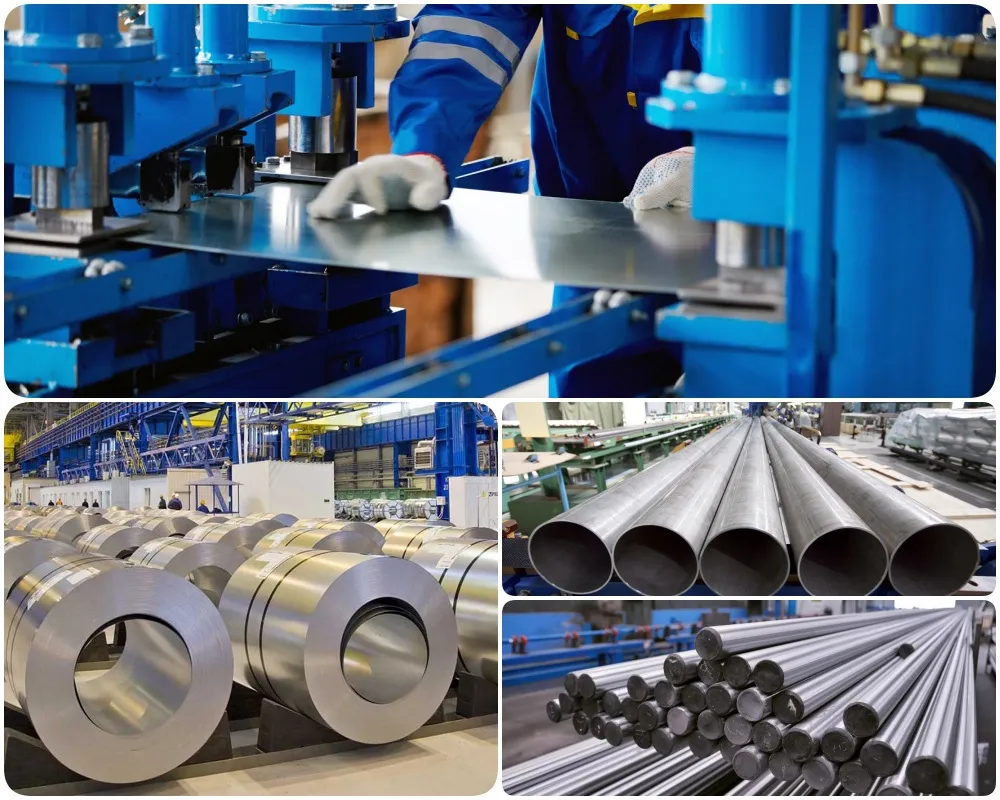
This method is commonly employed for producing thick plates. It involves heating titanium billets to high temperatures and then passing them through rolls to reduce their thickness. The hot rolling process allows for significant thinning of the material, which can be further processed through cold rolling or annealing to achieve desired mechanical properties. Hot rolling can introduce structural imperfections, so subsequent annealing may be necessary to relieve stresses and restore ductility.
Cold rolling
For thinner plates requiring higher strength and better surface finish, cold rolling is often used. Unlike hot rolling, this process is conducted at room temperature, providing tighter tolerances and improved mechanical properties. Cold rolled titanium plates have a higher tensile strength but also become less ductile. To counteract this, the material may undergo annealing to improve its formability again.
Precision slitting
Titanium coils can be slit into narrower plates or strips to precise widths. This process is typically performed after either hot rolling or cold rolling, depending on the required thickness and properties. Precision slitting allows for the creation of plates with consistent dimensions, ideal for applications requiring strict specifications.
Blanking
This process involves cutting titanium sheets into smaller plates of a specific size and shape. Blanking can be done using various cutting techniques such as laser cutting, waterjet cutting, or plasma cutting, depending on the required precision and edge quality.
Annealing
Regardless of the initial forming method, annealing is often a crucial post-processing step. Annealing involves heating the titanium plate to a high temperature and then cooling it slowly. This process relieves internal stresses, improves ductility, and enhances the overall properties of the plate, making it more suitable for further fabrication or machining processes.
Surface treatment
Depending on the application, titanium plates may undergo various surface treatments. These could include sandblasting, polishing, anodizing, or coating with other materials to enhance corrosion resistance, wear resistance, or aesthetic appeal.
What Are the Components of Titanium Plate
Titanium metal
The primary component of titanium plates is titanium metal, which accounts for the majority of the material's composition. Titanium is a lightweight, strong metal that is known for its high strength-to-weight ratio. It is also resistant to corrosion, making it ideal for use in harsh environments.
Alloying elements
To enhance the properties of pure titanium, alloying elements are added to create different grades of titanium plates. Common alloying elements include aluminum, vanadium, molybdenum, and iron. These elements improve the strength, ductility, and weldability of the titanium plates, making them suitable for a wider range of applications.
Impurities
While impurities are typically kept to a minimum in titanium plates, some may be present due to the manufacturing process or the raw materials used. Common impurities include oxygen, nitrogen, and carbon. These elements can have a significant impact on the properties of the titanium plates, so they are carefully controlled during the manufacturing process.
Grain structure
The grain structure of titanium plates can also affect their properties. The grain size and distribution can influence the material's strength, ductility, and fatigue resistance. Heat treatment and other processing techniques can be used to manipulate the grain structure of titanium plates to achieve desired properties.
Surface finish
The surface finish of titanium plates can also play a role in their performance. A smooth, polished surface can reduce wear and corrosion, while a rougher surface can provide better bonding for coatings or adhesives. The surface finish of titanium plates can be customized to meet specific application requirements.
What Makes Titanium Plates so Strong?
Phase transformation
During plastic deformation, titanium undergoes a phase transformation known as the martensitic transformation. This transformation results in a localized increase in strength and hardness at the area of deformation. Essentially, as the metal is worked, it becomes stronger, a phenomenon known as work hardening or strain hardening.
Creep resistance
Unlike many metals that suffer from creep—the tendency for materials to deform permanently under constant stress—titanium maintains its strength even at high temperatures. Its resistance to creep makes it suitable for applications in harsh environments where other metals might fail.
Tensile strength
Titanium exhibits high tensile strength, meaning it can withstand significant pulling forces without deforming. This characteristic is crucial in applications where the material is subjected to tension.
Elastic modulus
Although not as stiff as some other metals like steel, the elastic modulus of titanium is still relatively high. This means it can support loads without bending significantly, which is important in applications where weight savings and structural integrity are key considerations.
Alloying elements
The addition of alloying elements such as aluminum, vanadium, molybdenum, or iron enhances the strength of titanium. These elements can modify the microstructure of the titanium, leading to improved mechanical properties, such as increased yield strength and tensile strength.
Surface treatment
Surface treatments such as anodizing or coating can further improve the strength of titanium plates by creating a protective barrier that resists wear, corrosion, and environmental factors that could compromise the metal's integrity.
Cold working
The process of cold working, such as hammering, rolling, or pressing the metal when it is cold, introduces defects in the crystal lattice of titanium. These defects impede the movement of dislocations, which are flaws that can cause the metal to deform, thereby increasing its strength.
Heat treatment
Heat treatment processes like annealing, solution treating, and aging can alter the microstructure of titanium, resulting in changes to its mechanical properties. For instance, solution treating and aging (commonly referred to as precipitation hardening) can significantly increase the strength of titanium alloys.
Fatigue resistance
Titanium demonstrates excellent fatigue resistance, meaning it can withstand repeated stress without failing. This resistance is due to its fine grain size and the stability of its hcp crystal structure.
Can Titanium Plates Be Used in Electrical Applications?
One of the primary advantages of using titanium plates in electrical applications is their resistance to corrosion. Titanium does not corrode in the presence of saltwater or chlorine, which makes it an excellent choice for marine environments where traditional electrical conductors might degrade over time. For example, titanium can be used in the construction of underwater cables or components that are exposed to corrosive substances, ensuring longevity and reliability without the need for additional protective coatings. Furthermore, the high strength-to-weight ratio of titanium means that electrical components made from titanium plates can be lighter and more compact compared to those made from heavier metals. This is particularly beneficial in aerospace and automotive applications, where weight reduction is crucial for fuel efficiency and performance. Electrical connectors, contacts, and casings can be designed to be stronger and lighter using titanium, providing enhanced durability without compromising on safety. In addition to its electrical resistivity and corrosion resistance, titanium offers excellent thermal stability. It has a high melting point and can withstand extreme temperatures without losing its mechanical strength or becoming brittle. This property is vital in electrical applications where components may be exposed to high temperatures, such as in the engines of aircraft or spacecraft, or in environments where there is significant thermal cycling.
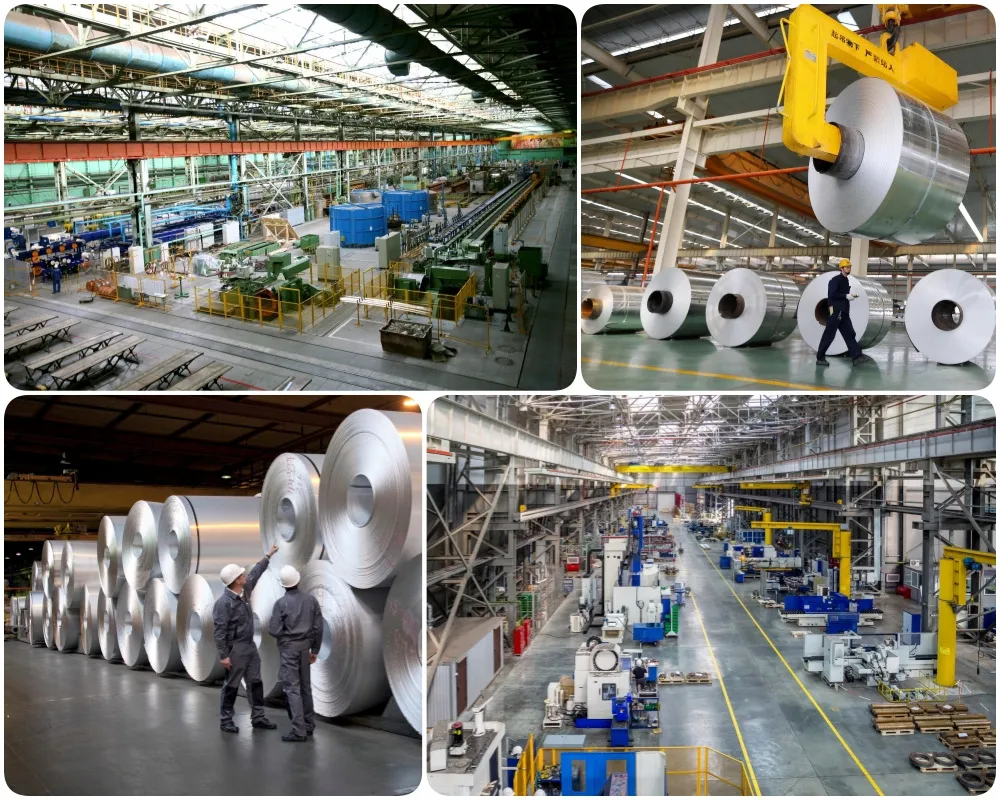
Our factory
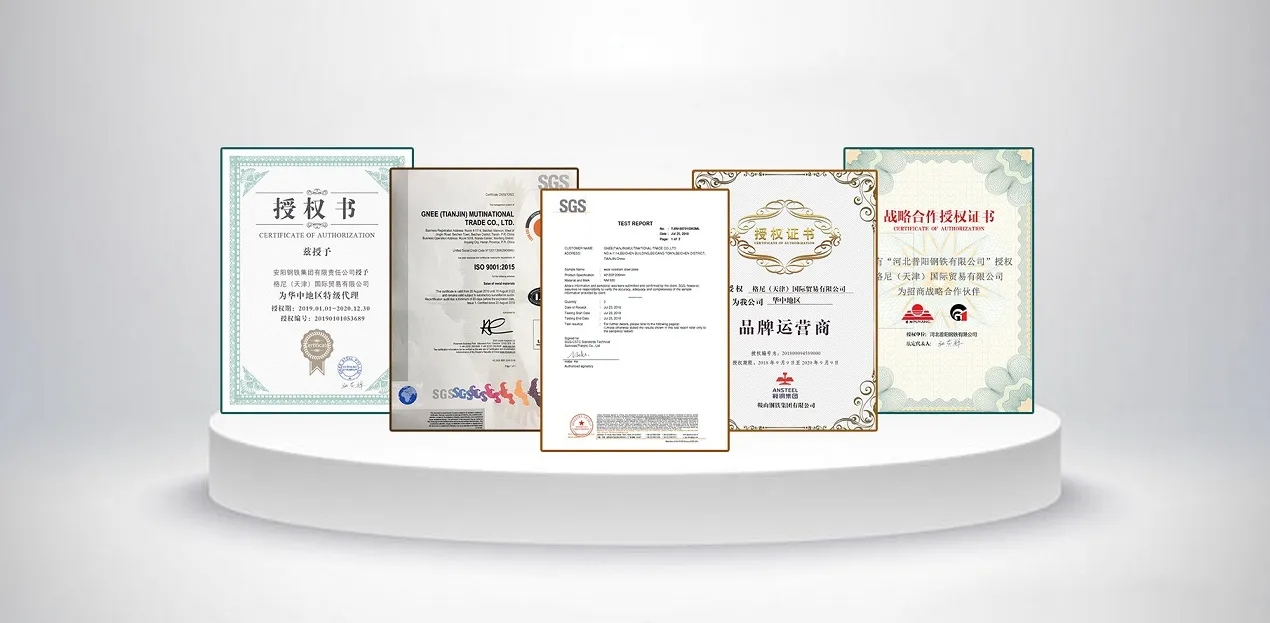
certificate
FAQ
Q: What are the main applications of titanium plates?
Q: What makes titanium plates so strong?
Q: Can titanium plates withstand high temperatures?
Q: Are titanium plates suitable for cryogenic applications?
Q: What are the different types of titanium plates?
Q: Can titanium plates be welded?
Q: Can titanium plates be used in contact with food or pharmaceuticals?
Q: Do titanium plates require any special surface treatment?
Q: Are titanium plates magnetic?
Q: Can titanium plates be used in seawater environments?
Q: Are titanium plates lightweight?
Q: Can titanium plates be recycled?
Q: Are titanium plates resistant to oxidation?
Q: Can titanium plates be used in electrical applications?
Q: Do titanium plates have good mechanical properties?
Q: Can titanium plates be machined easily?
Q: Can titanium plates be used in nuclear applications?
Q: Are titanium plates resistant to chemical attack?
Q: Can titanium plates be used in jewelry?
Q: Can titanium plates be used in aerospace applications?
As one of the leading titanium plate manufacturers and suppliers in China, we warmly welcome you to buy high-grade titanium plate for sale here from our factory. All customized titanium products are with high quality and competitive price.
Gr2 99 9 Pure Titanium Sheet, Gr1 pure titanium sheet, Medical Grade Titanium Alloy Plate