


What Is Titanium Pipe
Titanium pipe is a high-strength, lightweight tubular product constructed from titanium, a robust metal known for its corrosion resistance, strength-to-density ratio, and biocompatibility. These pipes are utilized in various demanding industries, including aerospace, chemical processing, power generation, and marine applications, where they encounter aggressive environments and high pressures. Their non-magnetic properties also make them suitable for specialized applications in the medical field. Titanium pipes provide excellent performance even in extreme conditions, combining durability with the advantage of reduced weight compared to traditional steel piping solutions.
Excellent corrosion resistance
Titanium pipe is highly resistant to corrosion, making it an ideal choice for use in corrosive environments. It can withstand exposure to various acids, alkalis, and salts without undergoing significant degradation. This corrosion resistance extends the lifespan of titanium pipe and reduces the need for frequent replacements or repairs.
Non-magnetic properties
Titanium pipe is non-magnetic, meaning it does not respond to magnetic fields. This feature is beneficial in applications where magnetism could interfere with the operation of nearby equipment, such as medical imaging devices or precision instrumentation. The non-magnetic properties of titanium pipe eliminate these potential issues, ensuring smooth and reliable performance.
Lightweight
Titanium pipe is significantly lighter than many other metal pipes, such as steel or copper. This lightweight property makes it easier to handle, transport, and install, reducing labor costs and time required for installation. The lighter weight also reduces the overall load on support structures, enabling more efficient and cost-effective design.
Flexible and versatile
Titanium pipe can be easily bent and shaped to meet specific requirements, making it versatile and adaptable for various applications. It can be used in complex piping systems with multiple bends and turns, ensuring efficient routing and installation. The flexibility of titanium pipe also allows for easy expansion and contraction without damaging the material, reducing the risk of leaks or failures.
-

CP Grade 1 Titanium is a versatile material used in construction components, oil and gas, pharmaceutical and marine applications.GNEE has 15 years of experience in processing and exporting titanium
Add to Inquiry -
Titanium Alloy Grade 5 Ti6Al4V
Specifications. UNS: R56400. AMS Standard: 4928. ASTM Standard: F1472. ASTM Standard: B265 Grade 5
Add to Inquiry -
ASTM B338 Titanium Alloy Tubes
This specification covers 28 grades of seamless and welded titanium alloy tubes for surface condensers, evaporators, and heat exchangers.
Add to Inquiry -
Titanium tubing is used in the following applications: Pesticide production Incineration scrubber systems Equipment in the chemical processing industry such as flue gas scrubbers, chlorination
Add to Inquiry -
TA2 titanium tubing shows excellent corrosion resistance in various corrosive environments, which is especially suitable for the chemical industry. For example, in the chlor-alkali industry, TA2
Add to Inquiry -
Titanium Grade 9 (3al-2.5v) Tube – Ams4944
This is Grade 9 titanium tube manufactured to AMS4944 , available as seamless or welded and drawn (with weld seam removed after drawing). The tube is specified for hydraulic systems (3000+ psi),
Add to Inquiry -
What are GR1 titanium pipes? Gr1 titanium pipes is a high-quality unalloyed commercially pure titanium pipe product, which is produced by advanced cold rolling and drawing technology. Gr1 Titanium
Add to Inquiry -
Grade 9 titanium is sometimes referred to as "half 6-4". This titanium alloy containing 3% aluminum and 2.5% vanadium has 20% to 50% higher mechanical strength than commercially pure (CP)
Add to Inquiry -
ASTM B862 Titanium Alloy Welded Pipe
Titanium tubing are delivered in straight lengths or as U-bent tubing. Titanium spiral tubing, titanium capillary tubing are available by requirement. Length: 4000mm; 6000mm; 12000mm; Multi-length
Add to Inquiry -
ASTM B861 Titanium Alloy Seamless Pipe
We carry a complete inventory and supply ASTM B861 Grade 2 Titanium Alloy Seamless Tubing ASTM B861 Grade 2 Titanium Alloy Seamless Tubing products are selected for their superior corrosion
Add to Inquiry -
Titanium is an important structural metal developed in the 1950s, and titanium alloy is widely used in various fields because of its high specific strength, good corrosion resistance and high heat
Add to Inquiry -
Outer diameter: 4~114mm. Wall thickness: 0.2~4.5mm. Length: ≤15m. Specification: ASTM B338. Ends: Plain End, Beveled End, Treaded
Add to Inquiry


Why Choose Us
High quality
Our products are manufactured or executed to a very high standard, using the finest materials and manufacturing processes.
Professional team
Our professional team collaborates and communicates effectively with each other, and is dedicated to delivering high quality results. We are capable of handling complex challenges and projects that require our specialized expertise and experience.
Advanced equipment
A machine, tool or instrument designed with advanced technology and functionality to perform highly specific tasks with greater precision, efficiency and reliability.
One-stop solution
At our manufacturing facilities, we provide a complete package that includes everything required to get you started, including training, installation and support.
Quality control
We have built a professional quality control team to accurately inspect every raw material and every production process.
24H online service
We try and respond to all concerns within 24 hours and our teams are always at your disposal in case of any emergencies.
Seamless titanium pipes
Seamless pipes are produced by extruding a titanium billet through a die to form a pipe. This process creates a pipe with no welded seams. Seamless pipes are favored for applications that require high pressure and temperature resistance, since there are no potential weak points from welding. They are widely used in the oil and gas industry, chemical processing, and power generation.
Welded titanium pipes
Welded pipes start as flat titanium plates that are rolled into a cylindrical shape and then welded along the seam. This method allows for pipes with larger diameters than seamless pipes. Welded titanium pipes are more cost-effective to produce and are suitable for applications where the integrity of the weld is sufficient. They are commonly used in marine environments, water treatment facilities, and in the construction of heat exchangers.
Bulkhead fitting titanium pipes
These pipes feature special fittings at both ends, allowing for easy connection to other piping systems or equipment. Bulkhead fittings are particularly useful in high-pressure environments where a secure and reliable seal is essential. They are often found in subsea equipment and in the petrochemical industry.
Exotic titanium alloy pipes
For applications requiring even greater strength or resistance to specific types of corrosion, exotic titanium alloys may be used. These alloys can include elements such as vanadium, molybdenum, and aluminum. The composition of the alloy is tailored to meet the demands of specialized industries, such as aerospace, where lightweight and high-strength materials are crucial.
Precision titanium pipes
These pipes are manufactured to very tight tolerances, making them suitable for precision applications. Precision pipes are used in scientific instruments, vacuum systems, and in the semiconductor industry, where cleanliness and exact dimensions are paramount.
Heat exchanger titanium pipes
Designed specifically for heat exchangers, these pipes have enhanced thermal conductivity properties. They are used in cooling systems, heating systems, and in the chemical and pharmaceutical industries where corrosion resistance is needed, alongside efficient heat transfer capabilities.
Medical grade titanium pipes
In the medical field, titanium pipes are used for their biocompatibility and resistance to bodily fluids. These pipes are utilized in the construction of surgical instruments, orthopedic implants, and dental hardware. Medical grade titanium must adhere to strict standards to ensure safety and compatibility with human tissue.
How to Store Titanium Pipe
Dry and ventilated environment
Titanium pipes should be kept in a dry and well-ventilated area to prevent moisture accumulation, which can lead to corrosion or the initiation of hydrogen embrittlement. Avoid storing pipes in environments where condensation is likely, such as unheated buildings during colder months.
Protection against contaminants
To prevent contamination from oils, greases, or other substances that may be present in the storage area, it is advisable to cover the titanium pipes or store them on pallets with protective sheets beneath and above the pipes. This helps to isolate them from any potential contaminants that could compromise their surface integrity.
Separation to prevent damage
Titanium pipes should be separated from one another using spacers or dunnage to avoid direct contact, which can cause abrasions or scratches. Additionally, stacking pipes should be done carefully to minimize the risk of bending or deformation. The weight limit for each stack should be clearly defined based on the specifications and wall thickness of the pipes.
Proper handling
When moving or handling titanium pipes, it is essential to use appropriate equipment such as forklifts, lifting magnets, or slings designed for metal. Improper handling can result in dents, bends, or other forms of physical damage. Personnel should be trained in proper handling procedures to avoid accidents.
Protection from environmental factors
Exposure to uv radiation, extreme temperatures, and corrosive atmospheres should be minimized. If outdoor storage is necessary, pipes should be adequately covered with weather-resistant tarpaulins or stored in a covered and secure structure.
Organization and identification
Titanium pipes should be organized in a systematic manner, with identification tags indicating size, grade, and any other relevant specifications. This facilitates easy retrieval and ensures that the correct pipes are used for intended applications.
Preparation before use
Before using the titanium pipes, they should be visually inspected for signs of damage or corrosion. Any protective coatings applied during storage should be removed prior to installation, as they may not be compatible with the environment in which the pipes will serve.
Regular maintenance checks
Periodic maintenance checks should be performed on stored titanium pipes to detect any early signs of deterioration. This proactive approach helps maintain the integrity of the pipes and ensures that they remain fit for purpose.
Power generation
Nuclear reactors require materials that can resist corrosion from highly radioactive fluids. Titanium pipes are used in these environments because they can withstand the intense conditions without corroding. They are also used in fossil fuel power plants for their heat resistance and durability.
Desalination plants
The process of turning seawater into freshwater involves extreme pressures and chlorine-laden environments, which can degrade typical metals. Titanium pipes are used in desalination plants because they can endure these conditions without significant wear and tear.
Chemical processing
In the chemical industry, pipes are often exposed to highly corrosive substances. Titanium's resistance to acids and alkalis makes it an ideal material for constructing piping systems in chemical manufacturing plants, laboratories, and refineries.
Medical field
Titanium is biocompatible and does not react with body tissues or fluids. Therefore, it is widely used in the construction of orthopedic implants, such as hip sockets and bone plates. While not typically used as pipes in the traditional sense, tubular structures made from titanium are used in stents, catheters, and other medical devices.
Petrochemical sector
The petrochemical industry handles many corrosive substances, including hydrocarbons. Titanium pipes are used in piping systems for transporting these substances due to their resistance to stress corrosion cracking (scc) and corrosion fatigue.
Food processing
Titanium pipes are used in food processing facilities because they do not react with most foods and can withstand high-pressure sanitizing processes, ensuring the purity and safety of food products.
Automotive industry
Although not as common as other materials, titanium pipes are used in the automotive industry for exhaust systems due to their resistance to corrosion and heat, as well as their lighter weight, which can improve vehicle performance.
Precautions When Using Titanium Pipe
When utilizing titanium pipes in various industrial applications, it is imperative to observe certain precautions to ensure safety, functionality, and longevity of the material. These precautions encompass handling, installation, and maintenance practices. Firstly, handling titanium pipes requires care to avoid physical damage. The pipes should be handled with the appropriate tools and machinery, such as magnetic lifters or forklifts designed for metal materials. Dropping or throwing the pipes can cause dents, creases, or cracks, which can compromise the structural integrity and performance of the titanium. Additionally, manual handling should be executed with gloves to protect against cuts from sharp edges and to avoid leaving oils or dirt on the surface of the titanium, which could potentially lead to corrosion. During installation, the alignment and joint design of titanium pipes are critical. Since titanium is relatively soft compared to stainless steel, it is more prone to gouging and scratching, so care must be taken when cutting and threading. The use of proper lubricants and adherence to torque specifications are essential to prevent over-tightening, which can lead to thread stripping or pipe distortion. Flanges and connections must be compatible with titanium to prevent galvanic corrosion, which can occur when dissimilar metals are in contact in the presence of an electrolyte. Maintenance of titanium pipes is another important consideration. Regular inspections should be conducted to monitor for signs of wear, corrosion, or damage. Although titanium is highly resistant to corrosion, exposure to certain chemicals, high temperatures, and chlorides can lead to degradation over time. Cleaning should be done with mild, non-abrasive cleaners and low-pressure water to avoid damaging the pipe's surface. Special attention should be given to protecting the pipes from mechanical damage during maintenance procedures.
Grade selection
Titanium comes in different grades, each with specific chemical and mechanical properties tailored for particular uses. Grade 2 and grade 5 are commonly used in industrial applications due to their good corrosion resistance and high strength-to-weight ratios. For more stringent conditions, such as in marine environments or aerospace applications, higher grades like grade 9 or grade 23 may be necessary.
Pipe size and wall thickness
Determine the required pipe diameter and wall thickness based on the pressure and flow rate of the medium that will travel through the pipe. Larger diameters and thicker walls can handle higher pressures, while smaller sizes and thinner walls are lighter but have lower pressure capacities.
Surface finish
The surface finish of the titanium pipe affects its corrosion resistance and cleanability. A smoother finish reduces the adherence of particulates and minimizes areas prone to corrosion. However, certain applications may require a rougher finish for better bonding or coating adhesion.
Connection types
Consider the type of connections required for the titanium pipe, such as flanges, welding, or threaded ends. Ensure compatibility with existing piping systems and fittings.
Corrosion resistance
Evaluate the anticipated corrosive elements in the environment where the pipe will be used. Select a titanium alloy that provides adequate resistance against the specific chemicals, salts, acids, or other corrosive agents it will encounter.
Temperature resistance
Assess the operating temperature range of the application to ensure the titanium pipe can perform within those limits. Titanium has good thermal properties but may become brittle at very high temperatures.
Budget considerations
Titanium pipes are generally more expensive than other materials. Set a budget that allows for the purchase of a quality titanium pipe without compromising on essential features.
Customization needs
If the application requires custom dimensions, surface finishes, or additional features, confirm that the supplier can meet these needs. Customized titanium pipes might involve additional costs and lead times.
Production Methods of Titanium Pipe

Extrusion
Cold drawing
Hot rolling
Seamless rolled titanium pipes
Welded pipes
Rotary forging
What Are the Components of Titanium Pipe
Body material
The body of the titanium pipe is the central component made from titanium or titanium alloys, chosen for their exceptional strength, corrosion resistance, and lightweight characteristics. The purity and grade of titanium used significantly influence the pipe's performance in different environments.
Wall thickness
The wall thickness of the pipe determines its ability to withstand pressure differences and impacts. A thicker wall offers greater resistance to external forces and internal pressures, making it suitable for high-stress applications. Conversely, a thinner wall reduces weight and material usage, which can be beneficial in less demanding situations.
End connections
End connections are integral to the pipe's assembly within a larger piping system. They come in various types, such as flanges, welding ends, and threaded connections. Each type serves a specific purpose in terms of ease of installation, joint tightness, and adaptability to different piping components.
Surface treatment
The surface of titanium pipes may undergo various treatments to enhance their properties. Anodizing can create a protective oxide layer, increasing corrosion resistance. Sandblasting or polishing can improve the surface finish for better inspection or to reduce the accumulation of substances on the pipe's surface.
Insulation layers
In some applications, titanium pipes may have insulation layers to prevent heat loss or to protect the pipe from external temperature fluctuations. These layers can be made from materials like foam, glass wool, or other suitable insulators that do not react with titanium.
Internal linings
For pipes conveying aggressive fluids or gases, an internal lining may be added to enhance corrosion resistance. This lining might be a ceramic, polymer, or another material compatible with the pipe's material and the conveyed substance.
Support structures
While not part of the pipe itself, support structures like hangers, clamps, and expansion joints are critical components of a titanium piping system. These structures facilitate the proper alignment, movement, and support of the pipes, preventing damage and ensuring safe operation.
Expansion compensators
Titanium pipes may incorporate expansion compensators to accommodate thermal expansion and contraction without placing undue stress on the pipe. These compensators can be in the form of bellows, expansion loops, or sliding connections that allow for axial or lateral movement.
Titanium pipes are indeed highly suitable for cryogenic applications due to their unique combination of physical and chemical properties. These properties make titanium an excellent material for use in environments where temperatures drop well below freezing, even reaching the extremes of liquid nitrogen or helium temperatures. One of the primary reasons titanium is favored for cryogenic applications is its low thermal conductivity. This characteristic means that titanium pipes can effectively minimize heat flow when exposed to warmer surroundings, thus preserving the low temperatures within the pipe. This is crucial for maintaining the integrity of sensitive materials or processes that require strict temperature control. Moreover, titanium exhibits excellent resistance to cold embrittlement. Unlike some metals that become brittle and fragile when subjected to extremely low temperatures, titanium maintains its ductility and toughness even in cryogenic conditions. This resilience is essential for the reliable operation of piping systems in subzero environments, as it ensures that the pipes will not crack or fail under stress. Additionally, titanium's high strength-to-weight ratio is advantageous in cryogenic applications. The material's lightweight nature contributes to the ease of handling and installation of pipes, which is particularly important in settings where weight is a critical consideration, such as in aerospace or when constructing mobile cryogenic facilities. In terms of compatibility, titanium can be alloyed with other elements to tailor its properties further for specific cryogenic applications. For instance, the addition of vanadium and aluminum can enhance the material's strength and thermal stability. These alloys can provide enhanced performance characteristics, such as increased resistance to creep or better mechanical properties at low temperatures.
Can Titanium Pipes Be Used in Contact with Food or Pharmaceuticals?
Titanium pipes are widely recognized for their compatibility with a variety of media, including those in the food and pharmaceutical industries. Due to their inherent properties, they are often preferred for applications requiring direct contact with consumable products. Titanium has a high level of resistance to wear and tear. It can endure the abrasive effects of powders and particles within food and pharmaceutical pipelines without degrading. This durability is critical for maintaining the cleanliness and safety of the materials being transported. The non-reactive nature of titanium also makes it ideal for use in these industries. Titanium does not readily form oxides or other compounds that could interact with the contents of the pipe. This inertness ensures that there is minimal risk of contamination, which is vital for maintaining product purity and regulatory compliance. Another advantage of titanium is its non-magnetic property. This feature is particularly important in the pharmaceutical industry, where the presence of magnetic materials could potentially interfere with sensitive equipment or processes. Titanium pipes also offer a degree of radiopacity, meaning they can be detected by X-rays. This characteristic is beneficial in quality control and monitoring processes where it is necessary to ensure that no foreign objects contaminate the product stream. In terms of hygiene and cleanability, titanium surfaces are smooth and do not harbor bacteria or other contaminants. This smoothness facilitates easy cleaning and sanitization, which is essential for maintaining the highest standards of hygiene in the food and pharmaceutical industries.
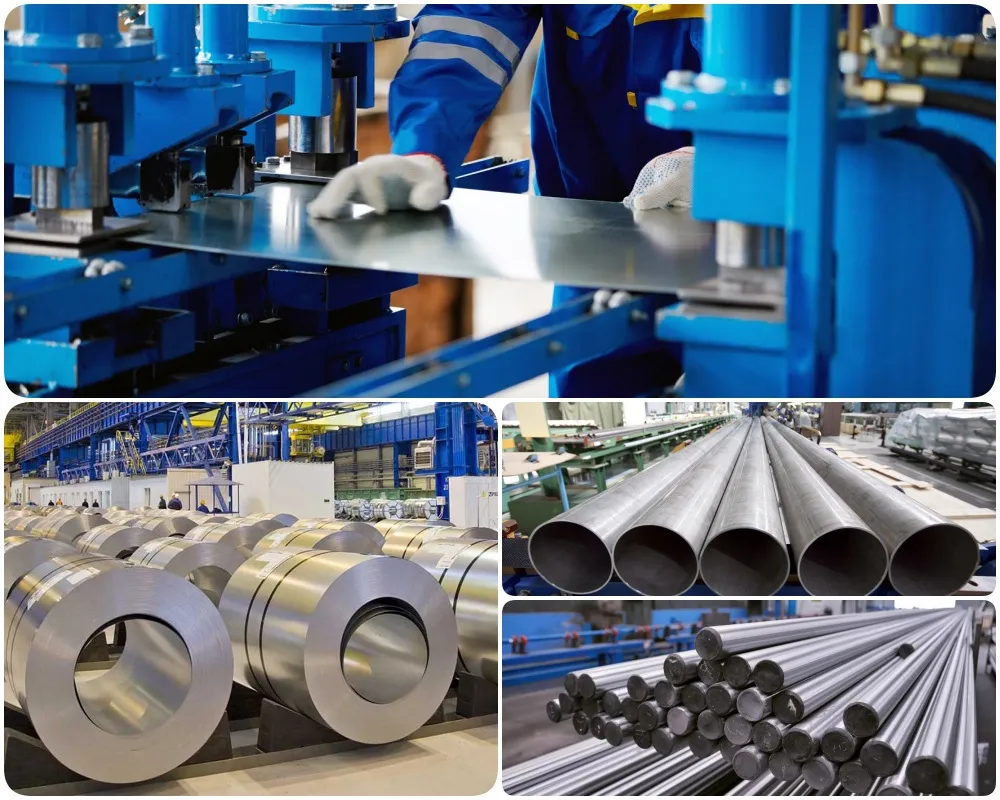
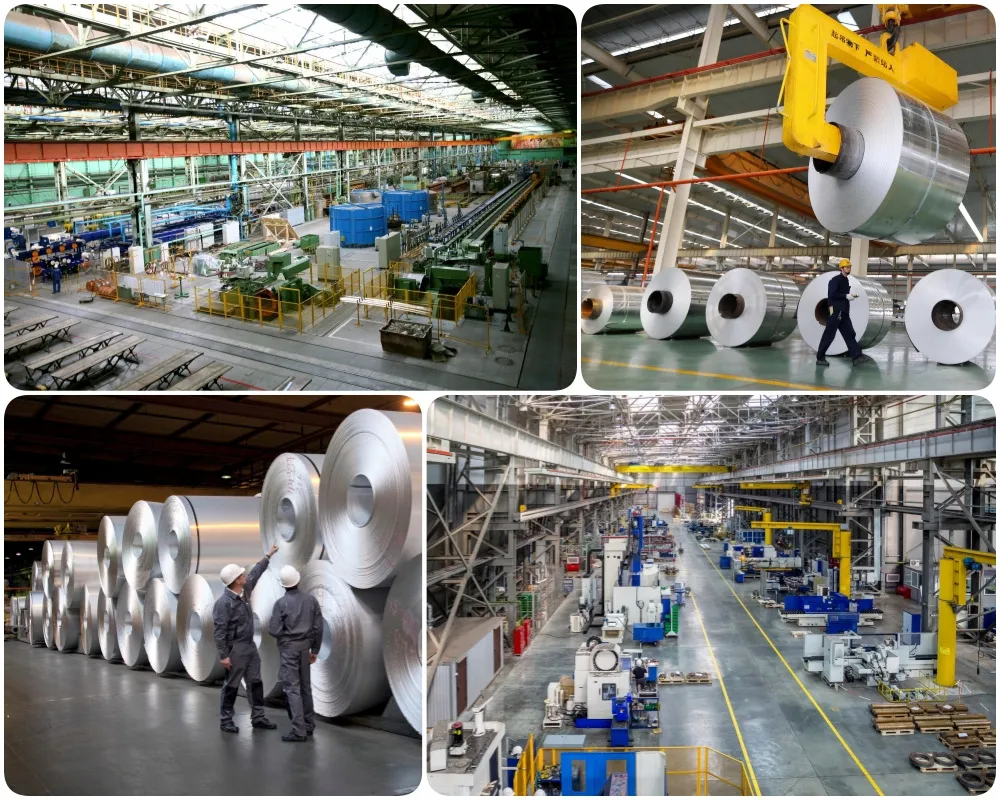
Our factory
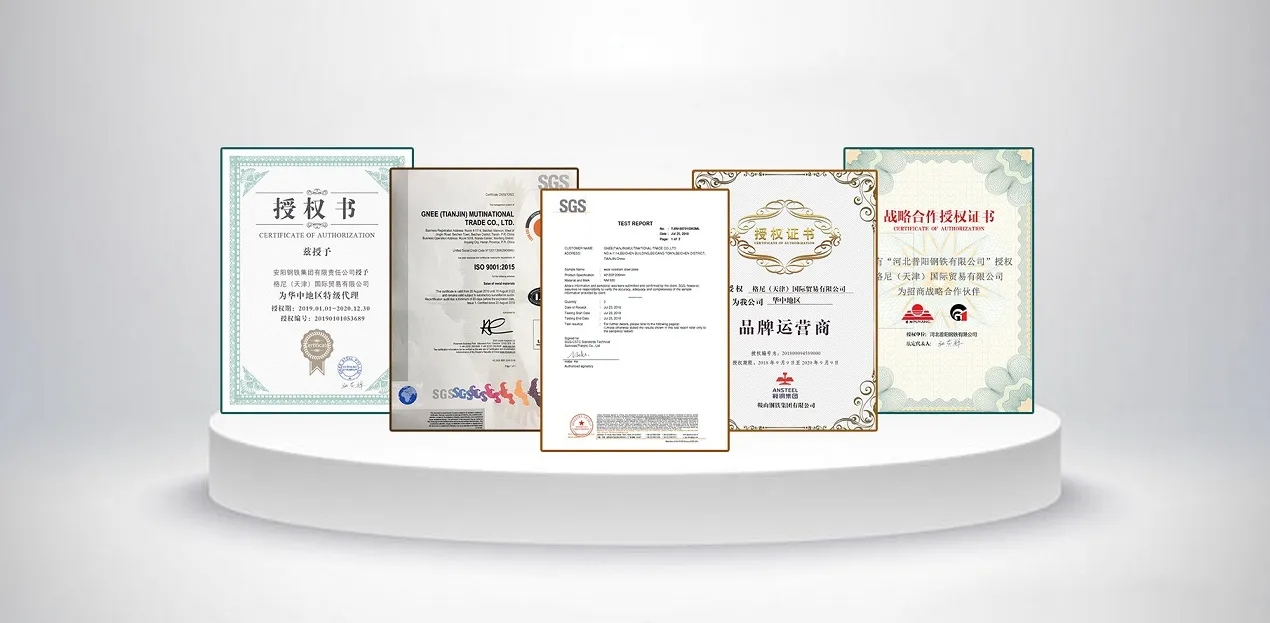
certificate
FAQ
Q: What are the main applications of titanium pipes?
Q: What makes titanium pipes so strong?
Q: Can titanium pipes withstand high temperatures?
Q: Are titanium pipes suitable for cryogenic applications?
Q: What are the different types of titanium pipes?
Q: Can titanium pipes be welded?
Q: Can titanium pipes be used in contact with food or pharmaceuticals?
Q: Do titanium pipes require any special surface treatment?
Q: Are titanium pipes magnetic?
Q: Can titanium pipes be used in seawater environments?
Q: Are titanium pipes lightweight?
Q: Can titanium pipes be recycled?
Q: Can titanium pipes be used in electrical applications?
Q: Do titanium pipes have good mechanical properties?
Q: Can titanium pipes be machined easily?
Q: Are titanium pipes environmentally friendly?
Q: Can titanium pipes be used in nuclear applications?
Q: Are titanium pipes resistant to chemical attack?
Q: Can titanium pipes be used in jewelry?
Q: Can titanium pipes be used in aerospace applications?
As one of the leading titanium pipe manufacturers and suppliers in China, we warmly welcome you to buy high-grade titanium pipe for sale here from our factory. All customized titanium products are with high quality and competitive price.
Titanium Straight Tube, Titanium Tube, Gr9 Titanium Straight Piping