


What Are Zirconium Alloys
Zirconium alloys are metallic materials composed primarily of zirconium combined with other elements, typically nickel, iron, and sometimes tin and copper, to enhance their properties. These alloys are highly resistant to corrosion, particularly in aggressive environments like those found in nuclear reactors, where they are used for cladding and fuel rods due to their ability to withstand radiation-induced swelling and to form a stable oxide layer that protects the underlying metal. Their low capture cross-section for neutrons makes them ideal for use in nuclear technology, as they do not readily absorb these particles, which is crucial for efficient reactor operation. Additionally, zirconium alloys maintain good mechanical strength at high temperatures, further expanding their utility in advanced engineering applications.
Excellent corrosion resistance
Zirconium alloys exhibit exceptional resistance to corrosion, especially in oxidizing environments. This makes them suitable for use in corrosive media such as acids, alkalis, and saltwater. Their corrosion resistance is further enhanced by the formation of a protective oxide layer on the surface, which shields the metal from further attack.
High strength-to-weight ratio
Zirconium alloys possess a high strength-to-weight ratio, meaning they are strong yet lightweight. This combination of properties is beneficial in applications where weight reduction is crucial, such as aerospace and automotive industries. The lightweight nature of zirconium alloys also contributes to their ease of handling and processing.
Good thermal conductivity
Zirconium alloys have good thermal conductivity, which means they can effectively transfer heat. This property is advantageous in applications where heat dissipation is essential, such as nuclear reactors and high-temperature processing equipment. The ability to dissipate heat efficiently helps prevent thermal stress and improves the overall performance of the material.
Low neutron absorption cross-section
Zirconium alloys have a low neutron absorption cross-section, making them suitable for use in nuclear reactors. In nuclear reactors, neutrons are used to sustain the chain reaction that generates heat for power production. Materials with a low neutron absorption cross-section allow neutrons to pass through with minimal absorption, maintaining the efficiency of the reactor.
Excellent biocompatibility
Zirconium alloys are biocompatible, meaning they can be used in medical applications without causing adverse reactions in the human body. This property makes them suitable for use in implantable medical devices such as dental implants, orthopedic implants, and pacemaker cases. Their biocompatibility ensures that the implants integrate well with the surrounding tissue and cause minimal discomfort to the patient.
Good electrical conductivity
Zirconium alloys exhibit good electrical conductivity, making them useful in electrical and electronic applications. They can be used as conductors in wires, cables, and electronic components, facilitating the efficient flow of electricity. This property is particularly beneficial in high-performance electronics where efficient heat dissipation and low electrical resistance are crucial.
-

Zirconium (Zr) is a silver-colored metal with a density of 6.5 g/cm3. Its very small neutron absorption cross-section and relatively high melting point (1855 °C or 3371 °F) make zirconium a
Add to Inquiry -
Zirconium metals and zirconium alloys offer advantages in specialized chemical environments, mainly acetic and hydrochloric acids. Zirconium tapes are also used as support and structural components
Add to Inquiry -
Zirconium (Zr) is a silvery metal with a density of 6.5 g/cm3. It has a very small neutron absorption cross-section and a relatively high melting point (1855 °C or 3371 °F), making zirconium a great
Add to Inquiry -
Zirconium is metallic materials that is hard, lustrous, silvery colored. It is extracted from its mineral ores (the oxide or zircon, ZrSiO4) by conversion to the tetrahalide followed by reduction
Add to Inquiry -
Zirconium (Zr) is a silvery metal with a density of 6.52 g/cm3 . Zirconium has a very small neutron absorption cross-section and a relatively high melting point (1855 °C or 3371 °F), making it ideal
Add to Inquiry -
Powder processing is recommended for optimum melting results.GNEE offers a wide range of ball milling equipment and accessories for powder processing.
Add to Inquiry -
Zirconium flanges are particularly useful in industry because of their resistance to hydrochloric acid, which corrodes at a rate of less than 5 mpy at all concentrations and temperatures above the
Add to Inquiry -
Zirconium is a hard, lustrous, silver-colored metal extracted from ores (oxides or zirconia, ZrSiO4) by conversion to tetrahalides and then reduction with magnesium. Due to the formation of a stable
Add to Inquiry -
Zirconium (Zr) is a silver metal with a density of 6.5 g/cm3. zirconium's very small neutron absorption cross-section and relatively high melting point (1855 °C or 3371 °F) make zirconium a
Add to Inquiry -
Zirconium Tubes and Zirconium Tubes Specifications. Material: Zr702 (R60702), Zr704 (R60704). Outer diameter: 6-120mm. Thickness: 0.5-20mm. Length: <8000mm
Add to Inquiry -
Zirconium plate has a density between that of aluminum and grade 304 stainless steel plate. The density is 6.52 grams per cubic centimeter. The element zirconium has a melting point of 1855 degrees
Add to Inquiry -
Unlike other ceramic materials, zirconia (ZrO2, also known as zirconium oxide) is an extremely resistant material to crack expansion. Zirconia ceramics also have a very high thermal expansion rate,
Add to Inquiry


Why Choose Us
High quality
Our products are manufactured or executed to a very high standard, using the finest materials and manufacturing processes.
Professional team
Our professional team collaborates and communicates effectively with each other, and is dedicated to delivering high quality results. We are capable of handling complex challenges and projects that require our specialized expertise and experience.
Advanced equipment
A machine, tool or instrument designed with advanced technology and functionality to perform highly specific tasks with greater precision, efficiency and reliability.
One-stop solution
At our manufacturing facilities, we provide a complete package that includes everything required to get you started, including training, installation and support.
Quality control
We have built a professional quality control team to accurately inspect every raw material and every production process.
24H online service
We try and respond to all concerns within 24 hours and our teams are always at your disposal in case of any emergencies.
Types of Zirconium Alloys
The most well-known category of zirconium alloys is those employed in the nuclear industry, particularly for fuel rod cladding. Zircaloy-2 and Zircaloy-3 are the two primary types used in this sector. Zircaloy-2 is composed of zirconium, tin, and sometimes a small amount of Niobium, while Zircaloy-3 contains slightly higher levels of tin and adds cadmium to improve properties. Both alloys are chosen for their superior resistance to corrosion by water and their ability to withstand the high temperatures and radiation environments encountered in nuclear reactors. For applications requiring high-temperature resistance, Zirconium alloys containing hafnium, niobium, or tin may be utilized. These elements contribute to the alloy's ability to maintain structural integrity and stability under intense heat conditions, which makes them suitable for aerospace and thermal power plant applications. Another group of zirconium alloys includes those designed for the chemical process industry. These alloys, often referred to as CAlloy (Chemical Alloy), contain significant amounts of iron, nickel, chromium, and molybdenum. The addition of these elements enhances the alloy's resistance to a wide range of corrosive media, making it suitable for use in environments where strong acids, alkalis, and other aggressive substances are present. For biomedical applications, zirconium is alloyed with other metals to create biocompatible materials. One such alloy is Zr-Ta, where tantalum is added to promote osseointegration, which is the bone's ability to grow around the implant. These alloys are particularly useful in orthopedic implants, such as hip and knee replacements, due to their compatibility with living tissues.
Controlled environment
Zirconium alloys should be stored in a clean, dry environment free from corrosive agents. Humidity should be kept low to minimize the risk of oxidation or other forms of corrosion. Temperature control is also important; while zirconium alloys can tolerate a wide range of temperatures, extremes should be avoided as they could lead to stress on the material.
Separation
To avoid contamination, it is advisable to keep zirconium alloys separate from other metals, especially those that could cause galvanic corrosion. This includes storing them away from stainless steel, aluminum, and other reactive metals.
Packaging
Zirconium alloys should be packaged using materials that do not react with the alloy. Materials like plastic, polyethylene, or inert fabrics can serve as protective wraps or dividers. Packaging should be designed to protect the alloy from physical damage during transport and storage.
Organization
It is important to organize the storage area to prevent loss or mix-up of different alloy batches. Each alloy should be clearly labeled with information such as type, dimensions, and any special storage requirements.
Protection from radiation
If the zirconium alloys are used in or have been exposed to radioactive environments, such as in nuclear reactors, they must be handled with radiation safety in mind. They should be stored in designated areas accessible only to personnel trained in radiation safety protocols.
Application of Zirconium Alloys
Nuclear industry
The most prominent application of zirconium alloys is in the nuclear industry, particularly in the construction of fuel rods and cladding for nuclear reactors. Their low neutron absorption characteristic is vital for efficient nuclear chain reactions. Additionally, when zirconium comes into contact with water, it forms a dense, protective zirconium oxide layer that prevents the release of radioactive material, even under accident conditions involving high pressure and temperature.
Aerospace industry
In the aerospace sector, zirconium alloys are favored for their high temperature resistance and mechanical strength. They are used in rocket nozzles and hypersonic vehicle components that endure extreme heat during launch and atmospheric re-entry. The ability of zirconium alloys to maintain structural integrity at high temperatures allows for more efficient and reliable space exploration technology.
Chemical process industry
Zirconium alloys' corrosion resistance makes them suitable for use in harsh chemical processing environments. They are employed in the manufacture of pumps, valves, and other components that are exposed to aggressive chemicals. Their resistance to stress corrosion cracking and erosion makes them a preferred material where long service life is required.
Medical field
In the medical field, zirconium alloys are used in the construction of orthopedic implants such as hip and knee replacements. The biocompatibility of zirconium and its alloys, coupled with their mechanical properties, ensures durability and reduces the risk of adverse reactions in patients.
Energy sector
Zirconium alloys are also used in the energy sector, particularly in the construction of heat exchangers in fossil fuel power plants. Their ability to withstand high temperatures and corrosive environments contributes to the efficiency and longevity of energy production equipment.
Electronics industry
Due to their excellent thermal conductivity and resistance to corrosion, zirconium alloys are utilized in electronics for components that require high thermal stability, such as in semiconductor manufacturing equipment.
Precautions When Using Zirconium Alloys
Storage considerations
Store zirconium alloys in a controlled environment to minimize the risk of corrosion. Ensure the storage area is clean, dry, and free from moisture and corrosive substances.
Radiation safety measures (if applicable)
If zirconium alloys have been exposed to radioactive environments, handle them according to strict radiation safety protocols. Store these alloys in designated, secure areas accessible only to personnel trained in radiation safety.
Fire prevention and extinguishing
Be aware that zirconium alloys can ignite at high temperatures and form a protective oxide layer that can prevent extinguishing.
In the event of a fire, use appropriate fire-extinguishing methods, such as class d dry powder extinguishers for metal fires. Water and co2 extinguishers are ineffective and may exacerbate the fire.
Waste disposal
Dispose of zirconium alloy waste in accordance with hazardous waste regulations, especially if the alloy has been contaminated. Consult with environmental health and safety professionals to determine the best method for recycling or disposing of the material safely.
How Do I Choose the Right Zirconium Alloys
Application requirements
The first step is to define the application's needs in terms of mechanical strength, temperature resistance, corrosion resistance, and neutron absorption characteristics. For instance, if your application involves high-temperature environments, you might need an alloy that can maintain its strength at those temperatures.
Zirconium alloy types
Understand the different types of zirconium alloys available. The most common are zircaloys, which are usually zirconium with small amounts of other metals like tin and niobium for improved properties. Zircaloy-2 and zircaloy-4 are the most widely used in nuclear reactors due to theirneutron capture properties. Zirconium alloys may also contain elements like iron, vanadium, and chromium.
Neutron capture cross-section
For nuclear applications, the neutron capture cross-section is critical. Zirconium has one of the lowest capture rates, which is why it's favored in nuclear fuel cladding. However, trace amounts of heavier elements can increase this rate, so it's essential to choose an alloy with the appropriate balance.
Corrosion resistance
Corrosion resistance is vital in many engineering applications. Zirconium alloys are resistant to many acids but can corrode in some fluoride environments. Check the specific corrosion resistance required for your application and select an alloy accordingly.
Thermal properties
The thermal properties of zirconium alloys, including their coefficient of thermal expansion and heat capacity, can affect their suitability for applications involving rapid temperature changes or where there is a need for uniform expansion and contraction.
Production Methods of Zirconium Alloys
Melting and casting
The foundational step in producing zirconium alloys involves melting pure zirconium with other alloying elements such as niobium, iron, and tin. This is typically achieved in a high-temperature argon atmosphere to prevent contamination. The molten alloy is then cast into ingots or billets using vacuum arc remelting (var) or electron beam melting (ebm) processes, which ensure high purity and homogeneity by eliminating impurities and gas inclusions.
Hot working
Once cast, the alloys undergo hot working to alter their microstructure and enhance their mechanical properties. This stage involves pressing, extruding, and rolling at elevated temperatures. Hot working helps to break down the coarse grain structure formed during solidification and distribute the alloying elements uniformly within the zirconium matrix.
Cold working
Following hot working, zirconium alloys often undergo cold working processes, such as rolling, drawing, or forging, at lower temperatures. This introduces work hardening, which enhances the strength of the material but also increases the risk of brittleness. To counteract this, the material may be subjected to annealing.
Annealing
Annealing is a heat treatment process applied to relieve stresses and restore ductility after cold working. By heating the alloy to specific temperatures and then cooling it slowly, the internal structure of the material is altered, reducing hardness and increasing toughness.
Precision machining
For applications requiring precise dimensions and shapes, zirconium alloys are machined using advanced techniques. Due to the alloy's tendency to work-harden and generate heat during machining, careful selection of cutting tools and parameters, along with the use of lubricants, is necessary to maintain quality and reduce tool wear.
Quality control and finishing
Throughout the production process, rigorous quality control measures are implemented to ensure that the alloy meets the required specifications. Final finishing processes, such as polishing or electropolishing, may be applied to achieve a desired surface finish and to improve corrosion resistance.
Specialized processes for nuclear applications
For nuclear applications, additional specialized processes are employed to ensure the highest levels of safety and performance. Zirconium alloys destined for nuclear reactors undergo stringent inspections, testing for radiation tolerance, and certification procedures that meet nuclear industry standards.
What Are the Components of Zirconium Alloys
Zirconium (Zr)
This is the base metal and the majority component of zirconium alloys. It is chosen for its low capture cross-section for neutrons, which makes it ideal for nuclear applications. Zirconium is also resistant to many forms of corrosion, especially in aqueous environments.
Niobium (Nb)
Often added to zirconium to improve its mechanical properties, particularly at high temperatures. Niobium enhances the creep resistance of the alloy, meaning it reduces the tendency of the material to deform under stress at elevated temperatures.
Tin (Sn)
Tin is another key alloying element that improves the mechanical properties of zirconium, particularly at room temperature. It increases the tensile strength and ductility of the alloy, making it more suitable for fabricating into complex shapes without compromising structural integrity.
Iron (Fe)
While typically considered an impurity that can reduce the performance of the alloy, controlled amounts of iron can improve certain characteristics such as hardenability. However, it must be managed carefully to avoid increasing the neutron absorption cross-section.
Chromium (Cr)
Chromium is added to zirconium alloys to enhance corrosion resistance, especially against oxidizing agents. It contributes to the formation of a protective oxide layer on the surface of the alloy, protecting it from further attack.
Vanadium (V)
Vanadium is used as a strengthener in zirconium alloys, improving the hardness and tensile strength. Like chromium, vanadium can help form a protective oxide layer, contributing to the overall corrosion resistance.

Do Zirconium Alloys Require Any Special Surface Treatment?
One of the primary surface treatments for zirconium alloys is annealing. During annealing, the alloy is heated to a high temperature and then cooled slowly under controlled conditions. This process enhances the ductility of the material and relieves internal stresses that may have been introduced during manufacturing or service. Annealing can also improve the oxide layer's adherence to the zirconium surface, which is crucial for corrosion resistance. Another common surface treatment is electropolishing. This process removes surface irregularities and can smooth out the metal surface, reducing the potential for stress concentration points. Electropolishing can also remove surface contaminants and defects, resulting in a cleaner and more uniform surface that is less susceptible to corrosion and wear. Passivation is another technique used to enhance the corrosion resistance of zirconium alloys. This involves treating the surface of the alloy with a chemical solution that promotes the formation of a dense, protective oxide layer. The passivation layer acts as a barrier to prevent further oxidation and corrosion of the underlying metal. In some cases, coatings may be applied to zirconium alloys to provide additional protection. These coatings can be made from various materials, including ceramics, metals, and composites, and can offer enhanced corrosion resistance, reduced wear, and improved thermal insulation. Coatings must be carefully selected to ensure compatibility with the zirconium alloy and the environment in which it will be used. For applications in nuclear reactors, zirconium alloys are often subject to stringent cleaning procedures to remove any residual contaminants that could compromise their performance. This includes thorough washing with demineralized water and sometimes acid etching to remove any surface oxides or impurities.
What Is the Melting Point of Zirconium Alloys?
Zirconium alloys possess a melting point that is significantly lower than that of pure zirconium due to the presence of other alloying elements. Pure zirconium has a melting point of around 1855°C (3371°F). However, when zirconium is combined with other metals such as niobium, tin, iron, or hafnium, its melting point drops considerably, typically ranging between 1100°C to 1500°C (2012°F to 2732°F), depending on the exact composition of the alloy. The reduction in melting point in zirconium alloys is primarily attributed to the interactions between zirconium and the alloying elements at the atomic level. These interactions result in the formation of different phases within the material, each with its own unique melting temperature. The most common zirconium alloys used in nuclear applications, such as Zircaloy-2 and Zircaloy-4, have melting points near 1150°C (2102°F). These alloys are chosen for their excellent corrosion resistance and mechanical properties at elevated temperatures, making them suitable for use as cladding for nuclear fuel rods.The melting point of zirconium alloys is a critical factor in their design and application. For instance, in nuclear reactors, materials must withstand the high temperatures without melting, ensuring the integrity of the reactor core and the safety of the entire system. The reduced melting point of zirconium alloys compared to pure zirconium allows them to maintain their structural integrity under the operational conditions of a reactor while still providing the advantageous properties of zirconium, such as low neutron absorption cross-section. Moreover, the melting point of zirconium alloys is not only influenced by the specific combination of alloying elements but also by factors such as the purity of the constituents, the heat treatment process, and the microstructure of the material. These factors can affect the phase stability and consequently the melting point of the alloy.
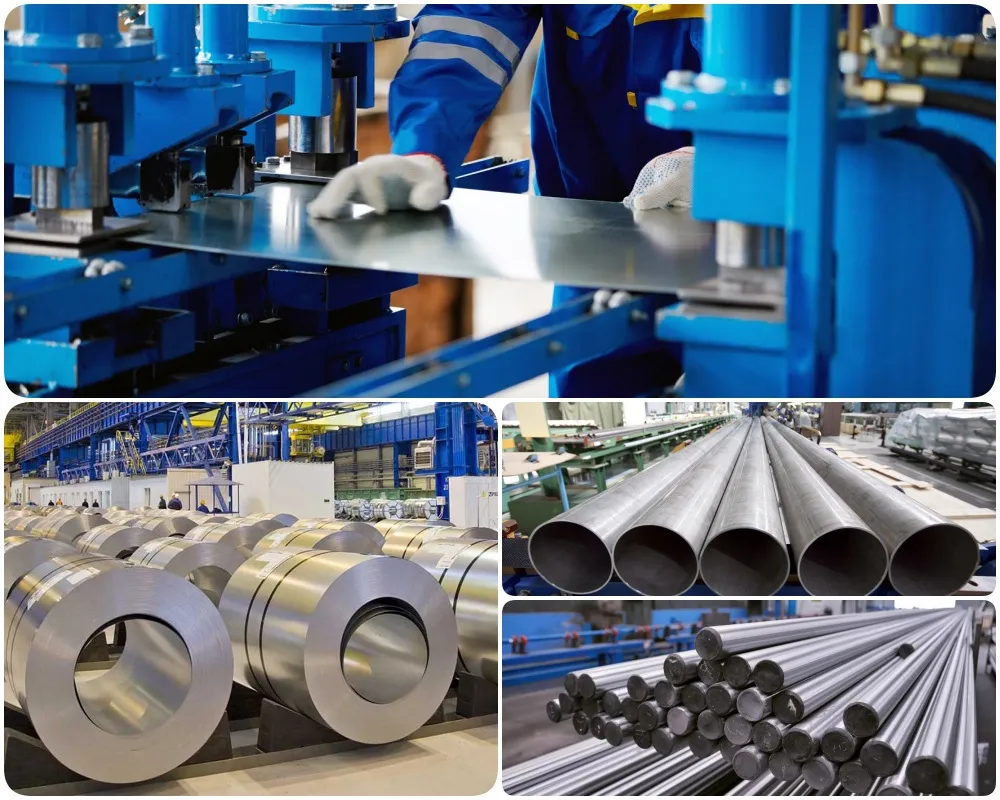
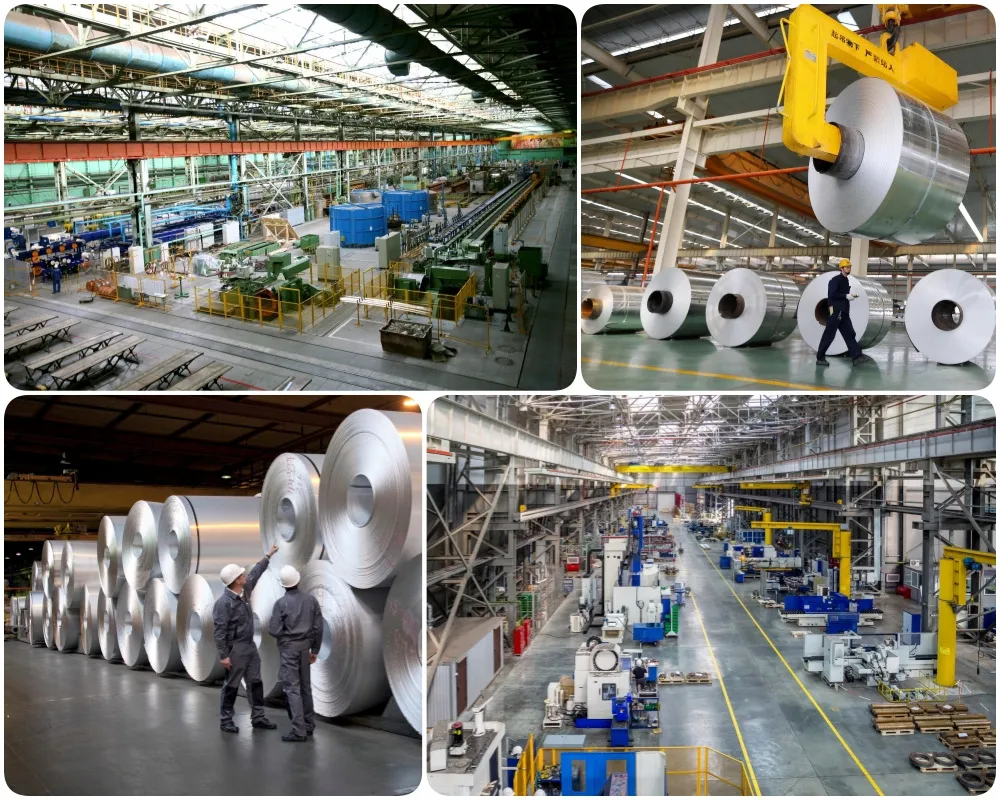
Our factory
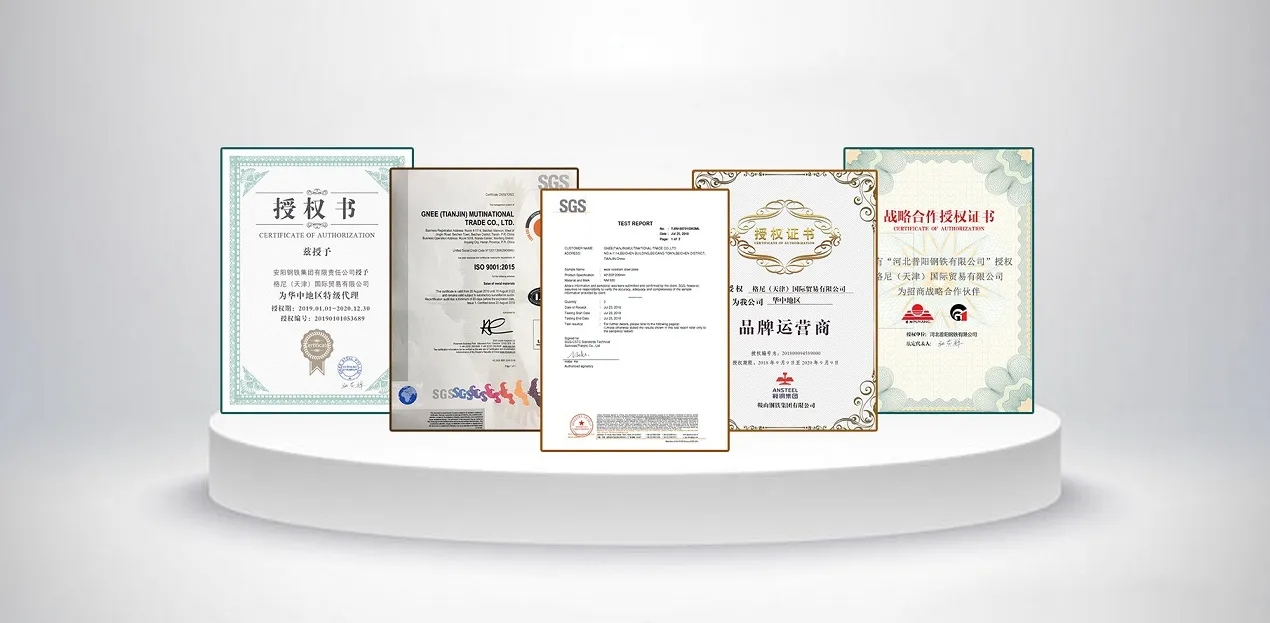
certificate
FAQ
Q: What are zirconium alloys?
Q: What are the main applications of zirconium alloys?
Q: What makes zirconium alloys corrosion resistant?
Q: Are zirconium alloys radioactive?
Q: What are the advantages of using zirconium alloys in nuclear reactors?
Q: Can zirconium alloys be used in high-temperature applications?
Q: Are zirconium alloys suitable for cryogenic applications?
Q: What are the different types of zirconium alloys?
Q: Can zirconium alloys be welded?
Q: Are zirconium alloys magnetic?
Q: Can zirconium alloys be used in contact with food or pharmaceuticals?
Q: Do zirconium alloys require any special surface treatment?
Q: Are zirconium alloys biocompatible?
Q: Can zirconium alloys be used in seawater environments?
Q: Are zirconium alloys lightweight?
Q: Can zirconium alloys be used in acidic environments?
Q: Do zirconium alloys have good mechanical properties?
Q: Can zirconium alloys be recycled?
Q: Are zirconium alloys susceptible to stress corrosion cracking?
Q: Can zirconium alloys be machined easily?
As one of the leading zirconium alloys manufacturers and suppliers in China, we warmly welcome you to buy high-grade zirconium alloys for sale here from our factory. All customized titanium products are with high quality and competitive price.
zirconium alloy permeability controlled alloys, ASTM B658 Zirconium and Zirconium Alloy Pipe, zirconium alloy new generation alloys