


What Is Titanium
Titanium is a chemical element with the symbol Ti and atomic number 22. It is a silver-gray metal known for its high strength-to-weight ratio, corrosion resistance, and biocompatibility. These properties make titanium valuable in various industries, including aerospace, marine technology, jewelry manufacturing, and medical implants. Titanium alloys offer enhanced mechanical properties, making them suitable for demanding applications where lightweight and durability are crucial. Its unique oxide layer protects it from environmental damage, contributing to its longevity and reliability in harsh conditions.
Strength and lightweight
Titanium is incredibly strong yet lightweight, making it an ideal material for applications where weight reduction is crucial. Its high strength-to-weight ratio means that titanium parts can be thinner and lighter than those made from other metals, without compromising on structural integrity. This is particularly beneficial in aerospace and automotive industries, where weight reduction can significantly improve fuel efficiency and overall performance.
Excellent corrosion resistance
Titanium is highly resistant to corrosion, even in harsh environments. It forms a protective oxide layer on its surface that effectively shields it from corrosive agents, such as saltwater, acids, and alkalis. This makes titanium an excellent choice for use in marine applications, chemical processing equipment, and medical implants, where corrosion resistance is essential.
High temperature resistance
Titanium can withstand extremely high temperatures without losing its mechanical properties. This allows it to be used in high-temperature applications, such as jet engines, rocket components, and furnace parts. Titanium's resistance to thermal expansion also makes it suitable for use in high-precision components where dimensional stability is crucial.
Biocompatibility
Titanium is highly biocompatible, meaning it can be safely used in medical applications where it comes into contact with human tissue. It is commonly used in surgical implants, such as pacemakers, hip replacements, and dental implants, as it does not cause allergic reactions or rejection by the body. Titanium's corrosion resistance also helps prevent infections around implants.
Non-magnetic properties
Titanium is non-magnetic, meaning it does not interact with magnetic fields. This is advantageous in applications where magnetic interference can be problematic, such as in medical imaging equipment, electronics, and precision instrumentation.
Electrical conductivity
Although titanium is not a highly conductive metal, it still offers better electrical conductivity than some other materials, such as stainless steel. This makes it suitable for use in electrical components and wiring, where it can provide a reliable and durable connection.
-

CP Grade 1 Titanium is a versatile material used in construction components, oil and gas, pharmaceutical and marine applications.GNEE has 15 years of experience in processing and exporting titanium
Add to Inquiry -
Titanium Alloy Grade 5 Ti6Al4V
Specifications. UNS: R56400. AMS Standard: 4928. ASTM Standard: F1472. ASTM Standard: B265 Grade 5
Add to Inquiry -
Titanium Gr 2 has a melting point of 1660 degrees. This high melting point makes sheets and plates suitable for high temperature applications. Due to its strength and high temperature resistance,
Add to Inquiry -
Titanium Gr 1 Round Bars / Rods are used in a variety of industrial applications such as mining, automotive industry, construction, medical, marine, power generation, chemical equipment, seawater
Add to Inquiry -
ASTM B338 Titanium Alloy Tubes
This specification covers 28 grades of seamless and welded titanium alloy tubes for surface condensers, evaporators, and heat exchangers.
Add to Inquiry -
ASTM B265 Titanium Alloy Sheet
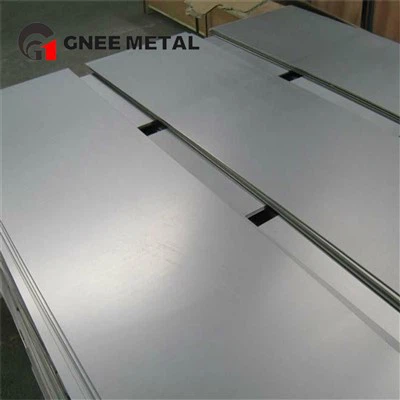
Type:Titanium Sheets. Application:Industrial, Medical. Technique:Hot Rolled. Shape:Square
Add to Inquiry -
Titanium tubing is used in the following applications: Pesticide production Incineration scrubber systems Equipment in the chemical processing industry such as flue gas scrubbers, chlorination
Add to Inquiry -
Material: CP titanium, Titanium alloyGrade: Gr1Size: Diameter: 6~115mm, Length: 10~6000mmStandard: ASTMB348, AMS4928, AMS 4931B, ASTM F67, ASTM F136 etcStatus: Hot Rolled (R), Cold Rolled (Y),
Add to Inquiry -
Application Examples:Firewalls, driver protection, valve covers, bellhousings, driveshaft passages, brake backplates, heat shields, rocker shaft mounts, jewelry
Add to Inquiry -
TA2 titanium tubing shows excellent corrosion resistance in various corrosive environments, which is especially suitable for the chemical industry. For example, in the chlor-alkali industry, TA2
Add to Inquiry -
Application:Aviation, Electronics, Industrial. Standard:GB, ASTM, AISI. Purity:>98%. Alloy:Alloy. Type:Titanium Foil. Powder:Not Powder
Add to Inquiry -
Titanium Grade 9 (3al-2.5v) Tube – Ams4944
This is Grade 9 titanium tube manufactured to AMS4944 , available as seamless or welded and drawn (with weld seam removed after drawing). The tube is specified for hydraulic systems (3000+ psi),
Add to Inquiry




Why Choose Us
High quality
Our products are manufactured or executed to a very high standard, using the finest materials and manufacturing processes.
Professional team
Our professional team collaborates and communicates effectively with each other, and is dedicated to delivering high quality results. We are capable of handling complex challenges and projects that require our specialized expertise and experience.
Advanced equipment
A machine, tool or instrument designed with advanced technology and functionality to perform highly specific tasks with greater precision, efficiency and reliability.
One-stop solution
At our manufacturing facilities, we provide a complete package that includes everything required to get you started, including training, installation and support.
Quality control
We have built a professional quality control team to accurately inspect every raw material and every production process.
24H online service
We try and respond to all concerns within 24 hours and our teams are always at your disposal in case of any emergencies.
Types of Titanium
Commercial grade (cg) titanium
Commercial grade titanium is the most commonly used type of titanium. It is made from scrap metal that has been melted and re-melted multiple times. This process creates a titanium alloy that is less expensive than other types but still retains many of the desirable properties of pure titanium. Commercial grade titanium is used in a wide range of applications, including jewelry, medical implants, aerospace parts, and more.
Grade 1 (g1) titanium
Grade 1 titanium is the lowest quality type of titanium. It has the lowest strength-to-weight ratio of all grades of titanium and is not as resistant to corrosion as higher grades. However, it is still used in some applications where weight is a critical factor, such as in the manufacture of lightweight aircraft components.
Grade 2 (g2) titanium
Grade 2 titanium is stronger than grade 1 titanium and has better corrosion resistance. It is often used in applications where strength and corrosion resistance are important, such as in medical implants and aerospace parts. Grade 2 titanium is also used in jewelry because of its attractive appearance and durability.
Grade 5 (g5) titanium
Grade 5 titanium is the highest quality type of titanium. It has the highest strength-to-weight ratio of all grades of titanium and excellent corrosion resistance. Grade 5 titanium is used in critical applications where failure could result in catastrophic consequences, such as in jet engines and missiles. It is also used in medical implants because of its biocompatibility and strength.
Grade 7 (g7) titanium
Grade 7 titanium is a newer type of titanium that has been developed for use in high-temperature applications. It has excellent strength and corrosion resistance even at temperatures up to 650 degrees celsius. Grade 7 titanium is used in jet engines and other high-temperature applications where traditional metals would fail.
How to Store Titanium
Cleanliness and contamination prevention
Titanium should be kept in a clean, dry environment to prevent corrosion and contamination. Any storage area should be free from dust, moisture, and corrosive substances. The metal is prone to staining if exposed to atmospheric contaminants, so it’s vital to keep it away from pollutants.
Separation from other metals
To prevent galvanic corrosion, which occurs when two dissimilar metals are in contact in the presence of an electrolyte, titanium should be stored separately from other metals. This is especially true for metals that are more anodic (like aluminum), as titanium acts as a cathode and can accelerate corrosion in the anodic metal.
Temperature control
Titanium alloys can undergo age hardening if subjected to high temperatures. To avoid this process, which can alter the metal’s mechanical properties, storage areas should be kept at moderate temperatures. Extreme heat can cause the titanium to become brittle, so it's essential to avoid environments where the temperature may fluctuate significantly.
Protective coatings
While titanium is inherently resistant to corrosion, applying a protective coating can extend its life further. For instance, a thin film of oil or a specialized protective spray can be applied to the surface of titanium parts before storage to prevent oxidation and contamination.
Organization and identification
Proper organization and identification of titanium items within the storage area are important to ensure easy access and inventory management. Each piece should be clearly labeled with information such as alloy type, dimensions, and any special handling instructions.
Container selection
When storing titanium, consider using containers made from the same material to prevent reactions with the container itself. Plastic, wood, or cardboard boxes are often suitable choices. Metal containers should be avoided unless they are made of inert metals like titanium itself or stainless steel.
Handling precautions
When handling titanium for storage, gloves should be worn to prevent fingerprints and oils from skin contaminating the surface. Additionally, any tools or machinery used should be cleaned and free from contaminants that could transfer to the titanium.
Regular inspection
Regularly inspect stored titanium to check for signs of corrosion or damage. Early detection of any issues can prevent the need for costly repairs or replacements.
Application of Titanium
Aerospace industry
One of the primary uses of titanium is in the aerospace industry. Due to its high strength-to-weight ratio, it is used to manufacture aircraft parts, including engine components, landing gear, and fasteners. Titanium alloys are particularly useful in this industry because they can withstand high stresses and temperatures while maintaining their structural integrity.
Medical field
Titanium's biocompatibility makes it an excellent choice for medical applications. It is commonly used to manufacture surgical instruments, orthopedic implants, such as hip and knee replacements, and dental implants. Titanium does not corrode within the human body and is resistant to infection, making it an ideal choice for long-term medical implants.
Chemical processing industry
Titanium's corrosion resistance makes it an ideal choice for use in chemical processing plants. It is used to manufacture valves, pumps, and other equipment that must withstand harsh chemicals and corrosive environments. Titanium is resistant to a wide range of chemicals, including acids, alkalis, and salts.
Marine industry
Titanium's corrosion resistance also makes it an excellent choice for use in marine applications. It is used to manufacture propellers, rudders, and other ship components that are exposed to saltwater and other corrosive environments. Titanium's strength and durability make it an ideal choice for use in high-stress marine applications.
Jewelry industry
Titanium's attractive appearance and durability make it an excellent choice for use in the jewelry industry. It is often used to manufacture wedding rings, bracelets, and other jewelry items. Titanium is lightweight, hypoallergenic, and resistant to tarnishing, making it an ideal choice for use in jewelry.
Energy industry
Titanium is used in the energy industry to manufacture components for wind turbines and other renewable energy systems. Its strength and corrosion resistance make it an ideal choice for use in harsh environments where traditional materials would fail.
Sports equipment
Titanium's lightweight and high strength make it an ideal choice for use in sports equipment, such as golf clubs, bicycle frames, and baseball bats. It provides athletes with superior performance by reducing fatigue and improving agility.
Automotive industry
Titanium is used in the automotive industry to manufacture lightweight components that improve fuel efficiency and performance. It is commonly used to produce exhaust systems, engine valves, and other high-stress components.
Dust control
Titanium dust can be hazardous if inhaled. Machining operations, such as grinding and drilling, can generate fine titanium dust. It is crucial to use dust collection systems, ventilation, and wet processes to minimize airborne particles. Regular maintenance of dust control systems is necessary to ensure they function effectively.
Handling
Due to its relatively high melting point and strength, titanium requires careful handling. Hot pieces of titanium, especially after welding or heat treatment, can cause burns. It is essential to allow the metal to cool before touching it. Additionally, sharp edges on machined parts should be handled with care to prevent cuts and injuries.
Welding precautions
Titanium welding demands specialized techniques and precautions. The material can be sensitive to intergranular corrosion if not welded correctly, so only qualified welders should perform these tasks. Proper cleaning of the metal surface before welding, use of inert gases like argon for shielding, and post-weld cleaning to remove contamination are critical steps.
Machining considerations
Titanium is a challenging material to machine due to its high strength and tendency to work harden. Tools must be sharp, and appropriate cutting fluids should be used to dissipate heat and reduce tool wear. High-speed machining may require additional measures to manage the generated heat and prevent tool failure.
Corrosion inhibition
Although titanium is highly corrosion-resistant, it can still be susceptible to certain environments, particularly in the presence of chlorides. It is advisable to apply a corrosion inhibitor or sealant to titanium parts that will be exposed to aggressive conditions to enhance their protection.
Recycling and waste disposal
Titanium waste, including chips and offcuts, should be recycled whenever possible. They have value in the scrap market and can be reprocessed into new titanium products. Proper disposal of titanium waste is important to prevent environmental contamination and to comply with local regulations.
Storage and preservation
Unused titanium parts should be stored in a clean, dry environment to prevent corrosion. If the material is to be stored for an extended period, it may be beneficial to apply a protective coating or wrap to further protect it from environmental factors.
How Do I Choose the Right Titanium

Grade selection
Mechanical properties
Corrosion resistance
Fabrication requirements
Availability
Production Methods of Titanium
The Kroll process is the most widely used method for the production of titanium metal. It starts with the mining of ilmenite, the primary ore of titanium, which is then converted into titanium tetrachloride (TiCl4) through a pyrometallurgical or wet-chemical process. The TiCl4 is reacted with magnesium or sodium at high temperatures in a vacuum arc furnace to produce titanium and by-products like magnesium chloride. The titanium thus obtained is in the form of sponge, which is then melted and cast into desired shapes. Another method is the FFC Cambridge process, which is more environmentally friendly and suitable for smaller-scale production. In this process, titanium tetrachloride is reduced using calcium at elevated temperatures to produce titanium and calcium chloride. The resultant titanium is in the form of a powder, which can be sintered to produce dense blocks of titanium or used directly in applications where a porous structure is acceptable. The direct reduction method is another emerging technique for producing titanium. It involves reacting titanium dioxide with a reducing agent like graphite at high temperatures in an argon atmosphere. This results in the direct formation of titanium metal and carbon monoxide. This method is advantageous because it bypasses the production of titanium tetrachloride and its associated environmental hazards. Titanium can also be produced through the aluminothermic reaction, where titanium dioxide is reduced by aluminum in a thermite-like reaction. This process is typically used for the production of reactive titanium powders. The choice of production method depends on various factors, including the purity and form of titanium required, the scale of production, cost considerations, and environmental regulations. The Kroll process is currently the dominant method due to its ability to produce high-purity titanium in commercial quantities.
Oxygen
Titanium has a high affinity for oxygen, which is why it is often found as titanium dioxide in nature. Oxygen accounts for approximately 6% of the weight of titanium.
Iron
Titanium naturally contains small amounts of iron, which can affect its magnetic properties and corrosion resistance. Iron typically accounts for less than 1% of the weight of titanium.
Carbon
Carbon is another common impurity found in titanium. It can affect the strength and ductility of the metal. Carbon typically accounts for less than 0.1% of the weight of titanium.

Nitrogen
Nitrogen is a common impurity in titanium, particularly in the production of certain alloys. It can affect the strength and ductility of the metal. Nitrogen typically accounts for less than 0.1% of the weight of titanium.
Vanadium
Vanadium is a common alloying element in titanium alloys, which enhances their strength and toughness. Vanadium typically accounts for less than 1% of the weight of titanium alloys.
Aluminum
Aluminum is another common alloying element in titanium alloys, which improves their corrosion resistance and lowers their density. Aluminum typically accounts for less than 1% of the weight of titanium alloys.
Other elements
Various other elements may be present in trace amounts in titanium and its alloys, depending on their source and processing history. These can include manganese, silicon, copper, nickel, chromium, and others.
Titanium is widely recognized for its hypoallergenic properties, making it an ideal choice for jewelry, medical implants, and other applications where direct contact with the skin is frequent. Firstly, titanium has a very low rate of reactivity with body fluids and tissues. This inertness means that it does not easily corrode or degrade within the body, which minimizes the potential for irritation or allergic response. Unlike some metals that can release ions or other substances into the body, titanium maintains its integrity and remains non-reactive. Secondly, titanium is not known to cause allergic reactions to common metal allergens such as nickel, cobalt, and chromium. These metals are common in jewelry and other metal products, and they can cause allergic reactions in individuals sensitive to these metals. Since titanium is resistant to corrosion and does not contain these allergenic metals, it is considered safe for individuals with metal allergies. Moreover, the surface of titanium can be modified to further enhance its biocompatibility. Techniques such as anodizing create a protective oxide layer over the titanium surface, which can improve its resistance to wear and tear, reduce the risk of bacterial adhesion, and provide additional protection against potential allergic reactions. In the realm of medical implants, titanium's hypoallergenic nature is particularly valuable. Implants made from titanium and its alloys are used extensively in dental work, bone fixation, joint replacement, and other surgical procedures. The safety profile of titanium ensures that patients who have metal sensitivities can undergo these procedures with a reduced risk of allergic complications. It is important to note that while titanium is hypoallergenic, no material can be guaranteed completely free of causing any reaction in every individual. There may be rare cases where someone reacts to titanium, although such instances are exceedingly uncommon.
Does Titanium Corrode?
Titanium is a metal known for its high strength-to-density ratio, corrosion resistance, and the capacity to withstand extreme temperatures. It is less reactive than many other metals because it forms a passive oxide layer when exposed to air or water. This oxide layer protects the bulk of the metal from further oxidation, thus making it resistant to rust and corrosion.The presence of other metals can lead to galvanic corrosion when titanium is in electrical contact with them. This occurs because titanium has a higher potential (is more anodic) than many common metals, which means it can act as an sacrificial anode and corrode preferentially. To prevent galvanic corrosion, designers often include insulating barriers or employ electrically non-conductive compounds to separate dissimilar metals. While titanium is renowned for its corrosion resistance, it is not entirely impervious to it. Corrosion can occur under specific conditions, such as exposure to strong acids, chlorine gases, molten salts, and environments conducive to galvanic or stress-corrosion cracking. Understanding these limitations is essential for selecting appropriate titanium alloys and implementing protective measures to ensure the longevity and reliability of titanium components in various engineering applications.
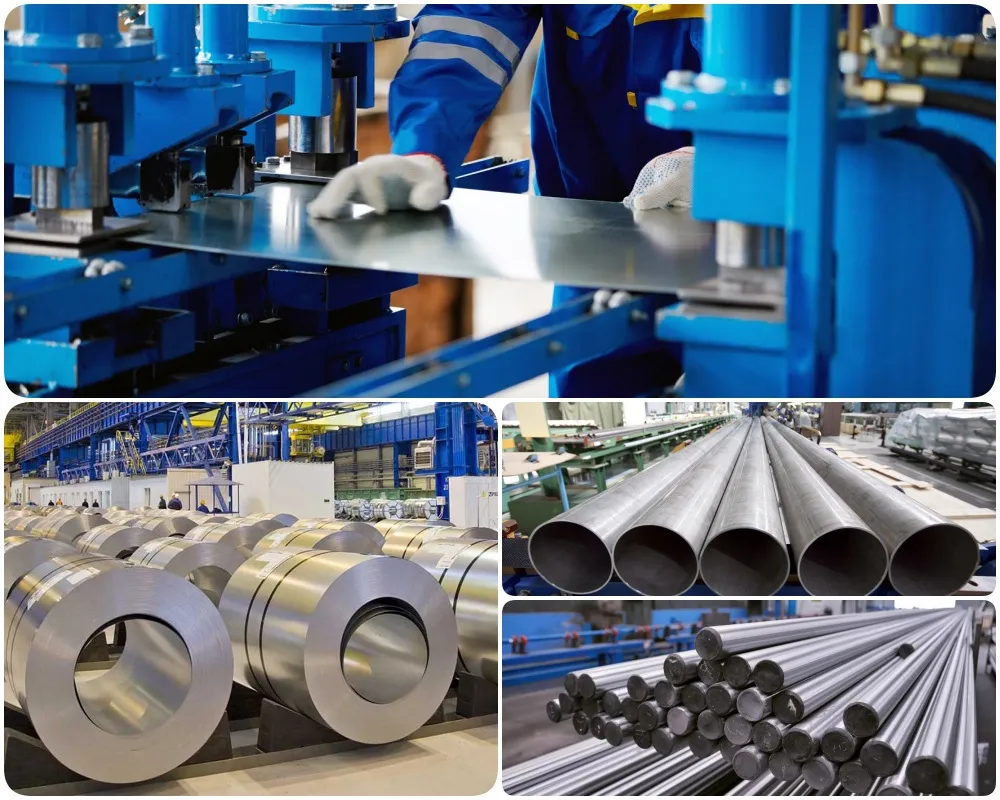
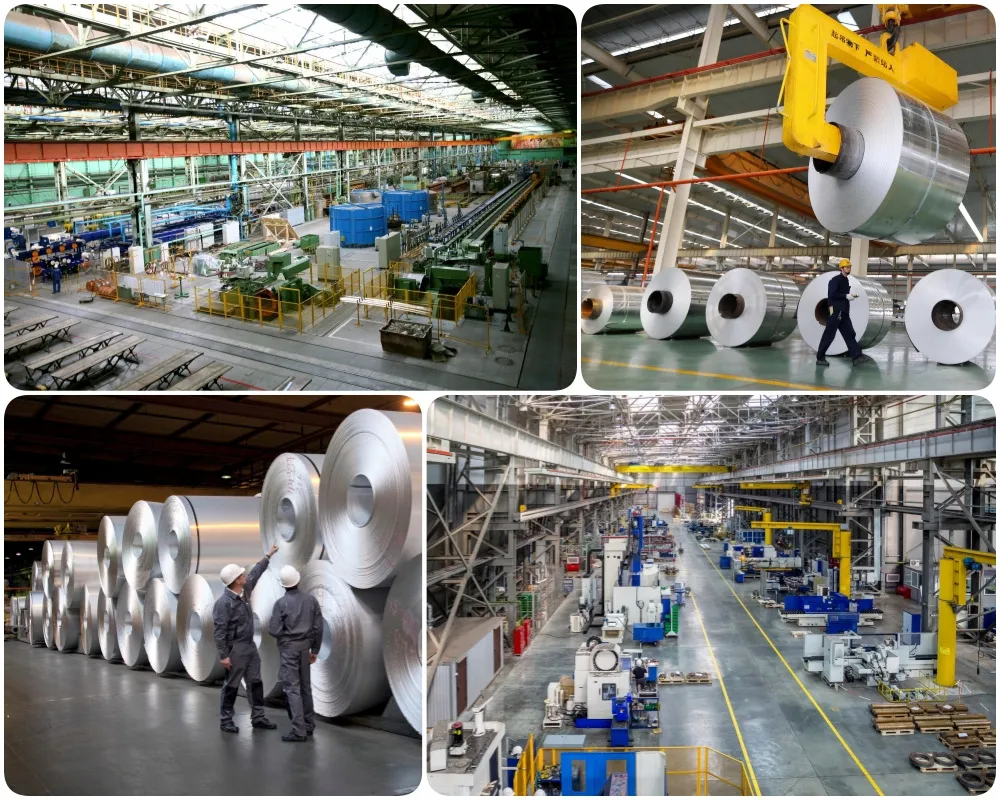
Our factory
certificate
FAQ
Q: Where is titanium found?
Q: What are the common uses of titanium?
Q: Can titanium be recycled?
Q: Can titanium be welded?
Q: Does titanium corrode?
Q: Can titanium be painted or coated?
Q: Is titanium stronger than steel?
Q: Can titanium be used in high-temperature applications?
Q: Can titanium be used in medical implants?
Q: Does titanium have any health risks?
Q: Can titanium be anodized?
Q: Is titanium used in the automotive industry?
Q: Can titanium be used in 3d printing?
Q: Does titanium conduct electricity?
Q: Can titanium be used in desalination plants?
Q: Is titanium used in the aerospace industry?
Q: Can titanium be used in jewelry?
Q: Can titanium be used in sports equipment?
Q: Can titanium be used in the construction industry?
Q: Can titanium be used in the marine industry?
As one of the leading titanium manufacturers and suppliers in China, we warmly welcome you to buy high-grade titanium for sale here from our factory. All customized titanium products are with high quality and competitive price.
Industry Wire Titanium, Titanium