


What Is Tungsten Alloy
Tungsten alloy refers to a class of materials composed primarily of tungsten, combined with one or more other metallic elements to enhance specific properties. These alloys typically feature high density, high melting point, and exceptional hardness, making them invaluable for applications requiring weight balance or radiation shielding. Common alloying metals include nickel, iron, and copper, which can improve the alloy's machinability and reduce brittleness. Tungsten carbide, a composite material consisting of tungsten carbide particles bound together by a metal matrix, is another form of tungsten alloy, widely recognized for its wear resistance and strength, utilized in cutting tools, molds, and dies.
High density and weight
Tungsten alloy boasts a high density and weight, which is significantly higher than most other metals. This property makes tungsten alloy an excellent choice for applications where weight and inertia are crucial, such as counterweights, radiation shielding, and kinetic energy penetrators. The high density of tungsten alloy enables it to effectively absorb and dissipate energy, making it an effective material for impact resistance and ballistic protection.
Excellent strength and toughness
Tungsten alloy combines exceptional strength with toughness, making it resistant to both tensile and compressive forces. This combination of mechanical properties allows tungsten alloy to withstand extreme loads and impacts without breaking or fracturing. This strength and toughness are particularly beneficial in high-stress applications such as industrial machinery, wear parts, and cutting tools.
Good thermal conductivity
Tungsten alloy exhibits good thermal conductivity, which means it can effectively transfer heat from one point to another. This property makes tungsten alloy suitable for use in high-temperature applications where heat dissipation is crucial, such as thermal insulation, electronics packaging, and high-power lasers. The ability to dissipate heat efficiently helps prevent thermal damage and maintains the performance of the material.
Excellent corrosion resistance
Tungsten alloy resists corrosion in a wide range of environments, including exposure to acids, alkalis, and oxidizing agents. This corrosion resistance is attributed to the formation of a protective oxide layer on the surface of the alloy, which shields it from further attack. The corrosion resistance of tungsten alloy makes it suitable for use in harsh and corrosive conditions where other metals may fail.
High temperature stability
Tungsten alloy maintains its mechanical properties even under extremely high temperatures. This thermal stability allows tungsten alloy to be used in high-temperature applications such as furnaces, jet engines, and rocket nozzles. The ability to withstand high temperatures without significant degradation ensures reliable performance in extreme environments.
Ease of fabrication
Tungsten alloy can be easily shaped and machined into complex geometries using standard metalworking techniques. This ease of fabrication allows for flexibility in manufacturing processes, enabling the creation of intricate components and parts. The machinability of tungsten alloy makes it suitable for precision manufacturing applications.
-

Zirconium (Zr) rods are ideally suited for nuclear rods because of their small neutron absorption cross section and high melting point of 1855°C (3371°F). This silver-colored metallic element also
Add to Inquiry -
High purity crystalline zirconium rods are produced by iodination melting. Purity up to Zr+Hf≥99.98%, Hf≤0.025%/3%, low hafnium content (250ppm, i.e. 0.025%). Typically used for zirconium based
Add to Inquiry -
Tungsten Molybdenum Alloy Plate
Tungsten-molybdenum alloy plate has good high-temperature strength and has properties similar to tungsten, but with a smaller specific gravity than tungsten.
Add to Inquiry -
We stock sheets and plates containing 10%, 15%, 20%, 25%, 30%, 35%, 40% or 50% copper in thicknesses up to 50 mm, but we can supply tungsten-copper sheets and sizes in any size.
Add to Inquiry -
We can fulfill orders for rods and bars of all parameters and sizes, threaded or drilled.
Add to Inquiry -
Tungsten rhenium (W-Re) alloy electrode is a gray metal rod with a pointed tip.
Add to Inquiry -
Tungsten is the highest melting point element. Tungsten flange also has high strength, hardness, and corrosion resistance. At the same time, tungsten flange is hard, wear-resistant,
Add to Inquiry -
Advantages of tungsten disks: unique heat resistance (melting point of tungsten is +3422°), high resistance to thermal deformation, high modulus of elasticity, smallest coefficient of thermal
Add to Inquiry -
The metal tungsten is lustrous, silvery-white, and not naturally occurring (abundance in the earth's crust is 1 part per million). It occurs in tungsten ores as a tungstate of iron and manganese
Add to Inquiry -
Tungsten has the highest melting point and the lowest coefficient of thermal expansion, making it suitable for environments that require extremely high temperatures.GNEE offers high quality tungsten
Add to Inquiry -
Molybdenum Tungsten Mo-W Alloy
Molybdenum-tungsten alloys (Mo-W alloys) have excellent corrosion protection against molten zinc.
Add to Inquiry -
Tungsten-Copper W-Cu Electrodes
The value of copper-tungsten electrodes derives to a large extent from the unique mechanical and physical properties of the material: the high electrical conductivity of copper combined with the wear
Add to Inquiry


Why Choose Us
High quality
Our products are manufactured or executed to a very high standard, using the finest materials and manufacturing processes.
Professional team
Our professional team collaborates and communicates effectively with each other, and is dedicated to delivering high quality results. We are capable of handling complex challenges and projects that require our specialized expertise and experience.
Advanced equipment
A machine, tool or instrument designed with advanced technology and functionality to perform highly specific tasks with greater precision, efficiency and reliability.
One-stop solution
At our manufacturing facilities, we provide a complete package that includes everything required to get you started, including training, installation and support.
Quality control
We have built a professional quality control team to accurately inspect every raw material and every production process.
24H online service
We try and respond to all concerns within 24 hours and our teams are always at your disposal in case of any emergencies.
High-density alloys
These alloys are primarily composed of tungsten with small amounts of nickel or iron added for binding purposes. They have densities similar to pure tungsten and are used in applications where weight must be balanced against high mass, such as in counterweights and ballast.
Tungsten carbide
Though often considered a separate material, tungsten carbide (wc) is an extremely hard composite in which tungsten carbide particles are bound together by a metal matrix, usually cobalt or nickel. It's widely used for cutting tools, dies, and industrial machinery due to its hardness and wear resistance.
Low-density tungsten alloys
These alloys contain higher percentages of binding elements like copper, brass, or aluminum, resulting in reduced density while maintaining much of tungsten's strength. They are favored for applications requiring lightweight alternatives to traditional tungsten, such as in sports equipment and medical imaging.
Machinable tungsten alloys
These are specially formulated alloys that contain copper and other metals designed to improve the machinability of the material without significantly reducing its density. These alloys are used in situations where ease of manufacturing is crucial, such as in prototyping and model making.
Radiation shielding alloys
Tungsten alloys that include lead or other radiation-absorbing elements are used for shielding sensitive equipment from x-rays, gamma rays, and other forms of ionizing radiation. Their high density and ability to absorb radiation make them ideal for medical and industrial radiography.
Wear-resistant alloys
These alloys incorporate elements like nickel or iron to create a matrix that resists abrasion and wear. They are utilized in components that experience high stress and friction, such as in aerospace, automotive, and defense applications.
Ballistic alloys
Some tungsten alloys are engineered for ballistic applications, where the combination of high density and toughness is necessary for armor piercing or protective measures. These alloys must meet stringent standards for hardness and durability.
How to Store Tungsten Alloy
Dry conditions
Tungsten alloy should ideally be stored in dry conditions to prevent moisture absorption, which can lead to corrosion over time. Humidity control is crucial, as even small amounts of moisture can react with tungsten, potentially forming oxides.
Temperature control
Extremes in temperature can stress the alloy, leading to warping or cracking. It's advisable to keep tungsten alloy at room temperature and avoid exposing it to sudden temperature changes. High temperatures can also cause thermal expansion, affecting the dimensions and structural integrity of the alloy.
Protective covering
Tungsten alloy should be covered with a protective layer when not in use. This can be achieved by wrapping it in plastic sheets or placing it in airtight containers. This prevents dust accumulation, which can scratch the surface and potentially introduce contaminants.
Separation of pieces
If multiple pieces of tungsten alloy need to be stored together, they should be separated by soft materials like foam or plastic to prevent scratching and abrasion. Contact with harder surfaces can damage the finish and structural integrity of the alloy.
Avoiding contamination
The storage area should be clean and free of chemicals that could react with the tungsten alloy. Acids, alkalis, and other corrosive substances should be kept away from the storage area. Even trace amounts of these chemicals can cause significant damage to the alloy over time.
Proper handling
When moving tungsten alloy for storage or retrieval, proper handling techniques should be employed. Using gloves and appropriate lifting equipment can prevent scratches and ensure safety, as tungsten alloy is heavy due to its high density.
Application of Tungsten Alloy
In aerospace and defense, tungsten alloys are prized for their density, which makes them ideal for counterweights, ballasts, and kinetic energy penetrators. The high density of these alloys ensures that objects maintain stability in flight, while their toughness withstands the extreme conditions of space travel and combat scenarios. The medical field benefits greatly from tungsten alloys as well. Their X-ray attenuation properties make them perfect for use in CT scanners and other diagnostic imaging equipment, providing clear images without interference from the surrounding bones and tissues. Additionally, tungsten alloys are biocompatible, allowing for their use in surgical instruments and implants. In the realm of sports and recreation, tungsten alloys have revolutionized equipment design. For instance, in golf, tungsten-tipped irons provide precise weighting for enhanced control and distance. Similarly, in fishing, tungsten weights and jigs offer superior casting performance and sensitivity compared to traditional lead counterparts. The electronics industry leverages tungsten alloys for their thermal conductivity and electrical resistance properties. Components like heat sinks and connectors made from tungsten alloys can handle high-power applications while maintaining structural integrity under thermal stress. In the realm of energy, tungsten alloys play a role in both renewable and conventional sources. They are used in wind turbines for balance weights and in oil drilling for drill bits, where their hardness and resistance to wear are invaluable. The automotive sector utilizes tungsten alloys in safety systems such as airbag initiators and in high-performance parts like engine valves, taking advantage of their ability to withstand high temperatures and pressures.
Precautions When Using Tungsten Alloy
Handling precautions
Tungsten alloys are heavy due to their high density, so care must be taken to avoid strain injuries when lifting or maneuvering large pieces. Use appropriate lifting equipment and ergonomic techniques to manage the weight safely.
Environmental controls
Tungsten dust can be toxic if inhaled. Therefore, work areas should be adequately ventilated with local exhaust ventilation systems to capture any airborne particles. Regular maintenance of these systems is crucial to ensure they function effectively.
Disposal and recycling
Tungsten alloys should be recycled whenever possible to conserve resources and minimize environmental impact. Consult with recycling facilities to determine acceptable forms and quantities for recycling. If disposal is necessary, comply with local regulations regarding hazardous waste management.
Storage
Proper storage is key to preserving the integrity of tungsten alloys. Store them in a dry environment away from corrosive substances and extreme temperatures that could degrade the material. Secure the items properly to prevent damage or injury due to falling objects.
Density
Tungsten alloys come in a variety of densities, typically ranging from 17 to 19 g/cm³ for pure tungsten up to 19+ g/cm³ for heavier alloys. Higher density translates to greater mass in a given volume, which is crucial for applications like balance weights or diving weights where mass is essential. Conversely, lower density may be preferable for ease of handling or where weight reduction is beneficial.
Strength and hardness
The strength and hardness of tungsten alloys are influenced by the addition of other metals such as nickel or copper. For applications that require structural integrity under stress or impact, a stronger alloy would be necessary. Hardness is also a factor in wear resistance and machining capabilities.
Radiopacity
For applications in medical imaging, such as X-ray markers or bone cements, the radiopacity of the tungsten alloy is paramount. The presence of tungsten increases radiopacity, but the exact composition can affect this property significantly.
Machinability
The ease with which a tungsten alloy can be machined is crucial for complex shapes and tight tolerances. Some alloys are more brittle and difficult to machine, which can increase production costs. Selecting an alloy with better machinability can streamline the manufacturing process and reduce expenses.
Compliance and standards
Depending on the industry, there may be regulatory standards that the alloy must meet. For instance, in the medical field, materials must comply with FDA regulations, while in defense, there could be specific ballistic standards to consider.
Production Methods of Tungsten Alloy
Tungsten powder preparation
Pure tungsten powder or an alloy containing tungsten is produced using processes such as chemical vapor deposition (cvd), hydrogen reduction of tungsten oxide, or atomization of tungsten alloys.
Mixing
The tungsten powder is mixed with a binder to improve handling characteristics and to facilitate shaping. Sometimes, additional metals like nickel, copper, or iron are added to modify the properties of the tungsten alloy.
Pressing
The mixture is then pressed in a die under high pressure to form the desired shape. This process can be performed either isostatically or uniaxially.
Sintering
The pressed part is heated to a temperature below the melting point of tungsten, typically around 1999°c (3630°f), but above the sintering point. During this process, the part densifies as the tungsten particles bond together, and the alloy's final properties are developed.
Machining
After sintering, the part may undergo secondary operations like grinding or finishing to achieve precise dimensions and surface finish.
Casting
Tungsten alloys can also be produced by casting, although pure tungsten cannot be cast due to its high melting point. Instead, tungsten is alloyed with other metals that have lower melting points.

What Are the Components of Tungsten Alloy
Tungsten (W)
The predominant element in tungsten alloys is tungsten itself, contributing to the alloy's high density. Tungsten is known for its high melting point, making it suitable for applications requiring durability at elevated temperatures. The purity and grain size of tungsten can significantly affect the overall properties of the alloy.
Copper (Cu)
Copper is commonly added to tungsten to improve the alloy's toughness and decrease its density slightly. This addition makes the alloy more machinable and easier to work with, although it reduces the hardness and increases the risk of corrosion. Copper content can vary widely, influencing the balance between density and machinability.
Niobium (Nb)
Niobium is sometimes added to tungsten alloys to enhance their strength and corrosion resistance. It can help to refine the grain structure, resulting in improved mechanical properties.
Ni (Nickel)
Nickel can be added to tungsten alloys to improve their strength and hardness. It also helps to stabilize the microstructure of the alloy during casting and contributes to its overall toughness.
Iron (Fe)
Iron is another element that can be included in tungsten alloys, particularly those used in radiation shielding applications, where it improves the alloy's radiopacity.
Gallium (Ga)
Gallium can be added in small amounts to modify the physical properties of tungsten alloys, though its use is less common than other alloying elements.
Other elements
Trace amounts of other elements, such as carbon, may be present in tungsten alloys. These elements can have various effects on the properties of the alloy, depending on their concentration and the overall composition.
What Makes Tungsten Alloys so Dense?
Tungsten alloys are celebrated for their exceptional density, which is primarily attributed to the inherent properties of tungsten itself. Tungsten is the densest naturally occurring metal, with a density of approximately 19.3 g/cm³, surpassing even gold and platinum. When alloyed with other metals, tungsten retains a significant portion of this high density, resulting in materials that are heavier and more substantial than many other metallic alloys. The atomic structure of tungsten plays a pivotal role in its density. Tungsten atoms are packed closely together within its crystalline lattice, which minimizes the empty space between atoms. This close packing enhances the material's density and contributes to its high melting point, making it ideal for applications requiring strength at high temperatures. When tungsten is combined with other metals, the overall density of the alloy depends on the proportion of tungsten relative to the other elements. Alloys with a higher percentage of tungsten maintain closer to the original density of pure tungsten, while those with smaller amounts of tungsten exhibit a corresponding decrease in density. Nevertheless, even with the addition of lighter metals, tungsten alloys remain much denser than most other metallic materials.Copper is a common alloying element in tungsten alloys, contributing to the material’s improved machinability and reduced density compared to pure tungsten. However, even with substantial amounts of copper, tungsten alloys still possess a higher density than most metals, including steel and aluminum. This makes them valuable for applications where increased mass is advantageous, such as in counterbalancing or radiation shielding.
Tungsten alloys, due to their unique physical and chemical properties, often necessitate specialized surface treatments to achieve desired outcomes in various industrial applications. These treatments are aimed at enhancing the material's surface integrity, improving wear resistance, reducing friction, and preventing environmental degradation. One of the primary surface treatments for tungsten alloys is coating. Coatings can be metallic, like gold or nickel, or non-metallic, such as diamond-like carbon (DLC) or tungsten disulfide (WS2). Metallic coatings can improve corrosion resistance and enhance the appearance of the tungsten alloy. Non-metallic coatings, particularly those with low friction coefficients, are often used in applications where reduced friction is crucial, such as in bearings or other moving parts. Another significant surface treatment is thermal spraying. This technique applies a molten or semi-molten coating material onto the substrate using high-velocity combustion or electric arcs. Thermal spraying can apply various materials, including metals, ceramics, and plastics, which can improve hardness, wear resistance, and corrosion resistance of the tungsten alloy. Electroplating and electroless plating are additional methods used to deposit thin layers of metals and alloys on tungsten surfaces. These processes create a uniform coating that can serve as a barrier to corrosion and wear. Electroplating uses an electric current to reduce cations to form a coherent metal layer on a conductive substrate. Electroless plating, on the other hand, is a chemical reduction process that does not require external electricity. For applications requiring enhanced hardness and wear resistance, case hardening processes such as carburizing or nitriding may be employed. Carburizing introduces carbon into the surface region of tungsten steel to increase hardenability of the material. Nitriding, through the diffusion of nitrogen, forms a case-hardened surface layer that is more resistant to wear and corrosion.
Our factory
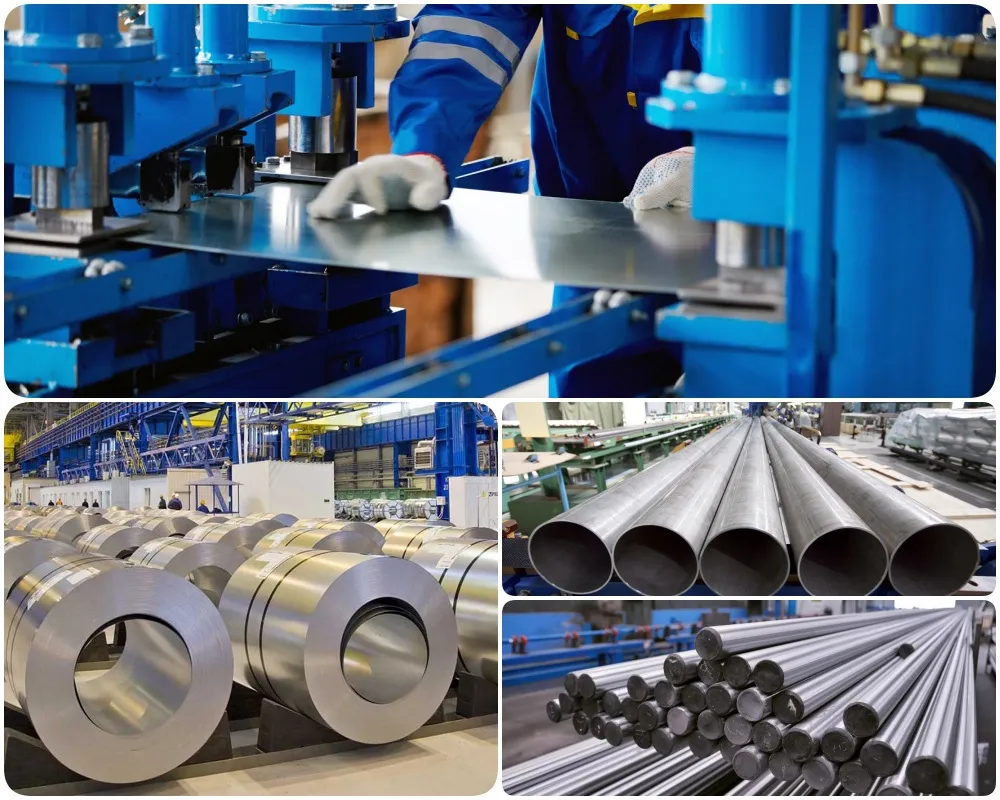
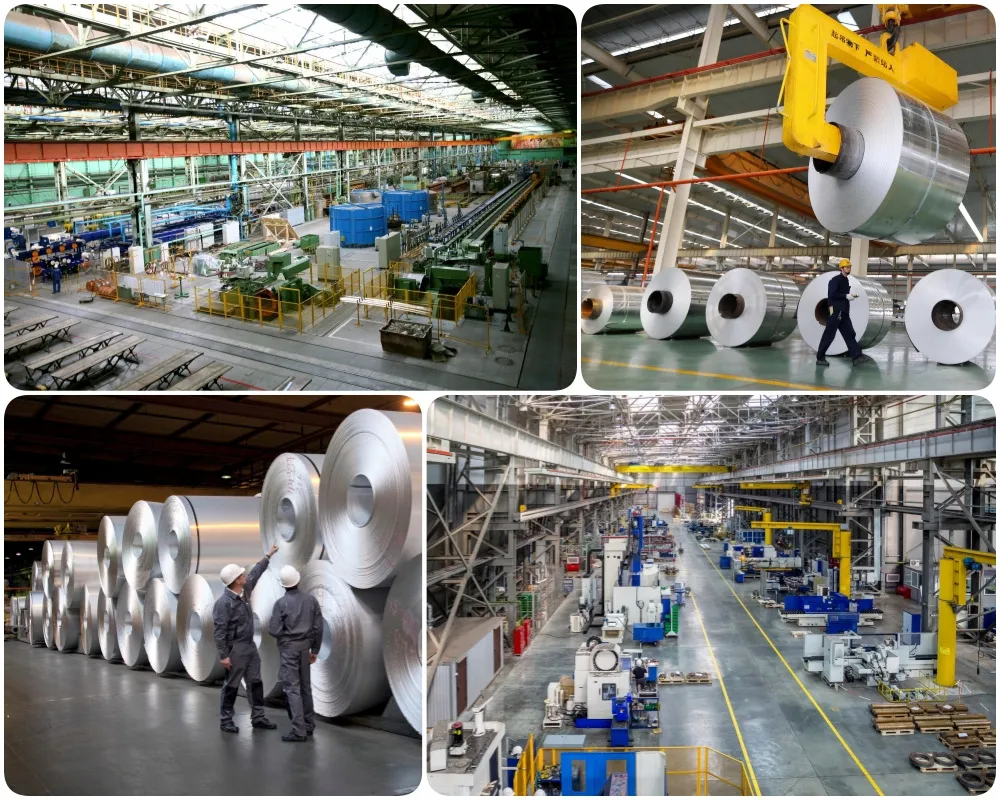
Gnee Group is a supply chain integrated enterprise including metal plate, coil, profile, outdoor landscape design and processing. Founded in 2008, with 5 million RMB registered capital, Gnee has made impressive progress and development in steel market with Gnee People more than 10 years hard fighting. At present, the total investment amount reaches 30 million RMB, workshop area more than 35000㎡, with over 200 employees. Gnee is becoming the most professional international metal supply chain company in China central plains with explicit strategic framework, integrated governance structure, firm management foundation, abundant fund and human power.
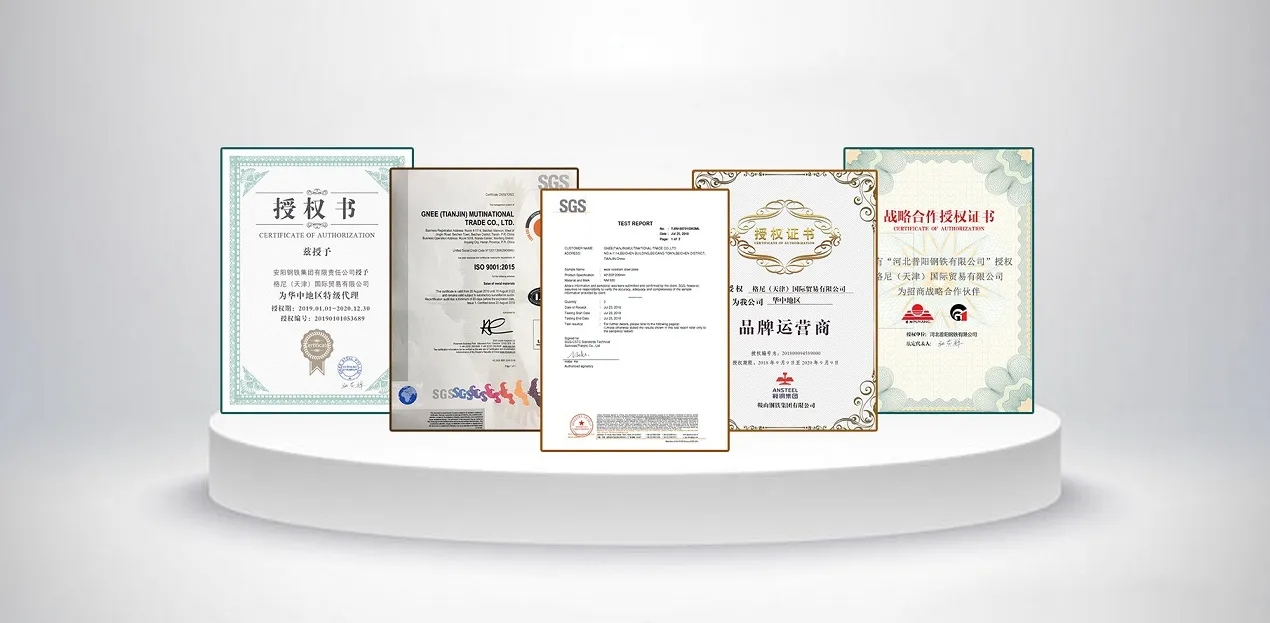
certificate
FAQ
Q: What are the main applications of tungsten alloys?
Q: What makes tungsten alloys so dense?
Q: Can tungsten alloys withstand high temperatures?
Q: What are the different types of tungsten alloys?
Q: Can tungsten alloys be welded?
Q: Are tungsten alloys biocompatible?
Q: Can tungsten alloys be used in contact with food or pharmaceuticals?
Q: Do tungsten alloys require any special surface treatment?
Q: Are tungsten alloys magnetic?
Q: Can tungsten alloys be used in seawater environments?
Q: Are tungsten alloys lightweight?
Q: Can tungsten alloys be recycled?
Q: Can tungsten alloys be used in electrical applications?
Q: Do tungsten alloys have good mechanical properties?
Q: Can tungsten alloys be machined easily?
Q: Are tungsten alloys environmentally friendly?
Q: Can tungsten alloys be used in nuclear applications?
Q: Are tungsten alloys resistant to chemical attack?
Q: Can tungsten alloys be used in jewelry?
Q: Can tungsten alloys be used in aerospace applications?
As one of the leading tungsten alloy manufacturers and suppliers in China, we warmly welcome you to buy high-grade tungsten alloy for sale here from our factory. All customized titanium products are with high quality and competitive price.
GB T 3875 Tungsten Sheet, GB T 26038 Tungsten Base High Density Sheet, ASTM B760 Tungsten Plate