


What Is Titanium Rod
A titanium rod is a cylindrical component manufactured from titanium, a robust metal known for its high strength-to-weight ratio, corrosion resistance, and biocompatibility. These rods are widely used in aerospace engineering for their lightweight and durability. They also find applications in medical implants due to their compatibility with human tissue. Additionally, titanium rods are employed in industrial sectors requiring materials that can withstand extreme conditions without corroding. Their unique properties make them suitable for use in harsh environments, from chemical processing plants to marine structures. Titanium rods are precision engineered to meet strict specifications and are often machined or forged into various shapes for specialized applications.
High strength-to-weight ratio
Titanium rods offer an exceptional balance between strength and weight. They are significantly lighter than steel or some other metals, yet they maintain a high level of tensile strength. This makes titanium rods ideal for applications where weight reduction is critical, such as aerospace components, sports equipment, and medical implants.
Excellent corrosion resistance
Titanium rods exhibit exceptional resistance to corrosion in a wide range of environments. They are highly resistant to attack by many acids, alkalis, and salts, making them suitable for use in harsh conditions such as seawater or chemically corrosive environments. This durability extends the service life of titanium rods in various industries, including chemical processing, marine engineering, and medical implants.
Good thermal conductivity
Titanium rods have good thermal conductivity, which means they can efficiently transfer heat. This property is advantageous in applications where heat dissipation is essential, such as heat exchangers, furnaces, and high-temperature processing equipment.
Non-magnetic properties
Unlike some metals, titanium rods are non-magnetic. They do not respond to magnetic fields, which eliminates interference in applications where magnetism could be problematic, such as medical imaging equipment, electronics, and precision instrumentation.
Ease of fabrication
Titanium rods can be easily worked and shaped using various machining techniques, including cutting, bending, and welding. This allows for flexibility in manufacturing complex parts and components that require precision and accuracy.
Excellent durability
Titanium rods offer exceptional durability, resisting wear and tear even under extreme conditions. They maintain their structural integrity over long periods, making them suitable for high-demand applications such as automotive components, aircraft parts, and surgical implants.
-

Titanium Gr 1 Round Bars / Rods are used in a variety of industrial applications such as mining, automotive industry, construction, medical, marine, power generation, chemical equipment, seawater
Add to Inquiry -
Material: CP titanium, Titanium alloyGrade: Gr1Size: Diameter: 6~115mm, Length: 10~6000mmStandard: ASTMB348, AMS4928, AMS 4931B, ASTM F67, ASTM F136 etcStatus: Hot Rolled (R), Cold Rolled (Y),
Add to Inquiry -
What is a GR1 titanium rod? High Purity GR1 Titanium Bar refers to a bar-shaped material made of titanium metal. Titanium is a chemical element that is widely used in various applications, including
Add to Inquiry -
Material: CP titanium, Titanium alloy. Grade: Gr1, Gr2, Gr4, Gr5, Gr7, Gr9, Gr11, Gr12, Gr16, Gr23 etc. Size: Diameter: 6~115mm, Length: 10~6000mm. Standard: ASTMB348, AMS4928, AMS 4931B, ASTM F67,
Add to Inquiry -
Grade 7 titanium alloy bar is composed of titanium, aluminium and other elements, with high strength, low density and good corrosion resistance, widely used in aerospace, chemical industry, ships and
Add to Inquiry -
Titanium, a highly sought-after metal, is renowned for the exceptional properties that make it a favorite in various industries. With its non-corrosive nature and robustness, titanium has gained
Add to Inquiry -
Grade 12 Ti-0.3Mo-0.8Ni Titanium Bar
Grade 12 metal titanium sheet is a kind of sheet made of pure titanium with excellent corrosion resistance, high strength and good processing performance.
Add to Inquiry -
Grade 23 Ti-6Al-4V ELI Titanium Bar
GR23 titanium bar is a high-performance titanium alloy material that shows a wide range of potential applications in several fields due to its excellent corrosion resistance, strength and good
Add to Inquiry -
Grade 9 Ti-3Al-2.5V Titanium Bar
Gr.9 titanium alloy bar is stronger than pure titanium, while maintaining the lightness and corrosion resistance of titanium alloy, which can be used in both high and low temperature environments.
Add to Inquiry -
ASTM B348 Titanium Bar Solid Rod
ASTM B348 is a standard specification for seamless and welded titanium and titanium alloy bars, rods, and forgings used in a variety of applications, including aerospace, chemical, and medical.
Add to Inquiry -
UNS R50250 Pure Grade 1 Titanium Rod
Gr1 titanium rods have good cutting performance, suitable for turning, milling, drilling and other machining operations, and can obtain high precision and surface quality.
Add to Inquiry -
AMS 4965 Grade 5 Titanium Round Bar
Ti-6Al-4V is a commonly used α+β two-phase titanium alloy with good strength, toughness and corrosion resistance. It is also known in industry as Grade 5 titanium.
Add to Inquiry


Why Choose Us
High quality
Our products are manufactured or executed to a very high standard, using the finest materials and manufacturing processes.
Professional team
Our professional team collaborates and communicates effectively with each other, and is dedicated to delivering high quality results. We are capable of handling complex challenges and projects that require our specialized expertise and experience.
Advanced equipment
A machine, tool or instrument designed with advanced technology and functionality to perform highly specific tasks with greater precision, efficiency and reliability.
One-stop solution
At our manufacturing facilities, we provide a complete package that includes everything required to get you started, including training, installation and support.
Quality control
We have built a professional quality control team to accurately inspect every raw material and every production process.
24H online service
We try and respond to all concerns within 24 hours and our teams are always at your disposal in case of any emergencies.
Types of Titanium Rod
Commercial grade titanium rods
These rods are made from grade 1, 2, or 3 titanium, which are the lowest strength grades but offer a good balance between cost and performance. They are typically used for industrial and aerospace applications where weight savings are important, but not at the expense of strength.
Medical grade titanium rods
Medical grade rods, usually grade 4 or 5, are biocompatible and non-magnetic, making them suitable for surgical instruments, orthopedic implants, and dental applications. These rods must meet stringent standards for purity and mechanical properties to ensure safety and effectiveness when used in the human body.
Aerospace grade titanium rods
These rods are typically made from grade 5 (cp ti + 6al-4v) or grade 9 (cp ti + 8al-1mo-1v) alloys. They have superior strength-to-density ratios, making them ideal for aircraft structures, engines, and components subjected to high stress and temperature extremes.
Precision ground titanium rods
Precision ground rods are turned and ground to tight tolerances and smooth surface finishes. These rods are often used in applications requiring exact dimensions and a smooth surface, such as precision machinery or instrumentation.
Polished titanium rods
These rods are polished to achieve a shiny finish, which is aesthetically pleasing and can reduce the risk of bacterial growth in medical applications. They are also used in decorative applications where appearance is a concern.
Flame cut titanium rods
Flame cut rods are cut to size using a flame cutting process, which is cost-effective for large quantities. These rods may have a rougher surface finish compared to machined rods, but they still maintain the inherent properties of titanium.
Forged titanium rods
Forged rods are created through a process that involves shaping titanium under high pressure. This process improves the material's strength and durability, making these rods suitable for applications that require extra load-bearing capacity.
Cold-finished titanium rods
These rods are processed by shaping at room temperature after heat treatment. Cold finishing enhances the dimensional tolerances and surface finish, making them suitable for applications requiring precise sizes and smooth surfaces.
Bar stock titanium rods
These rods are produced in standard diameters and lengths, making them readily available for a variety of applications. They are often used in prototyping or when a specific grade of titanium is required, but custom specifications are not necessary.
Custom fabricated titanium rods
Or applications requiring unique specifications, custom-fabricated rods can be manufactured to exact dimensions, surface finishes, and mechanical properties. These rods are typically more expensive due to the bespoke nature of the manufacturing process.
How to Store Titanium Rod
Dry environment
Titanium alloys, while highly resistant to corrosion, can still be susceptible to certain forms of corrosion if exposed to aggressive environments. Therefore, it is crucial to store titanium rods in a dry location away from moisture and humidity. Ideally, the storage area should have controlled humidity to prevent any potential oxidation or other forms of corrosion.
Temperature control
Temperature can affect the mechanical properties of titanium. Extreme temperatures can cause the material to stress or even distort. Storing titanium rods in a temperature-controlled environment helps maintain the material's properties. Avoid storing titanium in direct sunlight or near heat sources that could increase the temperature beyond acceptable levels.
Protection from contaminants
Ensure that the storage area is clean and free from contaminants such as dust, dirt, and other particles that could scratch the surface or lead to corrosion over time. If necessary, cover the rods with a protective cloth or plastic sheeting to prevent contact with these contaminants.
Separation
To prevent scratching and cross-contamination between different alloys or batches, store titanium rods separately. Use spacers or dividers to keep them apart, especially if they have been cut or machined to different sizes.
Storage racks or cabinets
Use sturdy storage racks or cabinets designed to hold metal components. The racks should allow for good ventilation to prevent the accumulation of moisture. Ensure that the racks are level and stable to avoid any unintended stress on the titanium rods.
Regular inspection
Even with proper storage conditions, it is advisable to inspect the titanium rods periodically. Look for signs of corrosion, damage, or deformation. Early detection of issues allows for timely corrective actions to prevent further degradation.
Medical field
Titanium rods are frequently used in surgical applications, such as orthopedic trauma, spine surgery, and dental implants. Their biocompatibility ensures minimal tissue reaction, and their strength allows for secure bone fracture fixation or spinal stabilization. In dental implants, the metal provides long-term stability and integration with the jawbone, enhancing patient comfort and longevity of the prosthesis.
Aerospace industry
In aviation, titanium rods are extensively used in engine components, airframes, and landing gear systems. The metal's ability to withstand high temperatures and pressures makes it ideal for turbine blades and exhaust parts, while its lightweight characteristic contributes to fuel efficiency. The rods' resistance to corrosion from environmental elements like saltwater and uv radiation is particularly beneficial for aircraft operating in challenging conditions.
Automotive industry
Performance vehicles benefit from titanium rods due to the metal's strength-to-weight ratio, which can improve acceleration and handling without compromising structural integrity. High-performance cars, motorcycles, and racing vehicles may utilize titanium rods in their engines and suspension systems.
Energy sector
In the oil and gas industry, titanium rods are used in drilling equipment and offshore platforms due to their resistance to harsh chemicals and corrosion. They are also employed in the construction of wind turbine components due to their resilience in withstanding the corrosive effects of saltwater environments.
Defense and military applications
Military vehicles, armor plating, and weapons often incorporate titanium rods for their lightweight and high-strength characteristics. The metal's ability to withstand extreme conditions makes it suitable for protective gear and ballistic shields.
Art and design
Titanium's aesthetic appeal, combined with its durability, has made it a popular choice in the creation of jewelry and art installations. It can be anodized to produce vibrant colors, offering artists a unique palette to work with.
Industrial processes
Titanium rods are used in various chemical processing and desalination plants where they are exposed to highly corrosive substances. Their resistance to chlorides and other aggressive media ensures the longevity and reliability of plant equipment.
Precautions When Using Titanium Rod
Handling precautions
Titanium is a relatively low-density metal, but it can be heavy depending on the size of the rod. Use proper lifting techniques and equipment, such as hoists or forklifts, to avoid injury. Keep the workspace clean and organized to prevent tripping hazards and ensure the rods are stored securely to prevent falls.
Fire and heat hazards
Titanium ignites at approximately 610 degrees celsius (1130 degrees fahrenheit) and burns with a bright white flame. Ensure adequate ventilation during welding or other high-temperature processes, and keep flammable materials away from the work area to prevent fires. Use fire-resistant clothing and follow local regulations for fire safety.
Electrical safety
Titanium is a good conductor of electricity. Ensure all electrical tools and equipment are grounded and in good condition to prevent electric shocks. When welding, use insulated welding equipment and wear appropriate clothing that does not conduct electricity.
Material integrity
Titanium can become brittle at cryogenic temperatures. Handle the rods carefully to avoid breakage or damage. Additionally, avoid overheating titanium as it can lead to a loss of mechanical properties. Follow recommended heating and cooling rates during thermal treatments.
Cutting and machining precautions
Titanium tends to work harden during machining, which can increase tool wear and reduce surface finish quality. Use sharp tools and appropriate feeds and speeds to minimize this effect. Also, because titanium chips can be sharp, use appropriate chip removal methods to maintain a safe work environment.
Welding considerations
Titanium welding requires specialized skills and equipment due to the metal's high melting point and reactivity. Use inert shielding gases like argon to prevent contamination. Welders should wear appropriate ppe, including helmets with dark filters to protect their eyes from the intense light emitted during the welding process.
How Do I Choose the Right Titanium Rod
Material specifications
Determine the grade of titanium required for your application. There are different grades of titanium, each with varying levels of strength, corrosion resistance, and fabrication characteristics. Grades 1-4 are typically less expensive and are used for general engineering purposes. Grades 5 and 6 (alpha-beta and near-alpha alloys) offer better strength-to-weight ratios and are more resistant to high temperatures and corrosion, making them suitable for aerospace and industrial applications.
Size and shape
The dimensions of the titanium rod must match the specifications of your project. Consider the rod's diameter, length, and whether it needs to be round, square, or have any special profiles. Ensure that the chosen dimensions accommodate the load requirements, clearances, and fit within the space available.
Surface finish
The surface finish affects the aesthetics, corrosion resistance, and functionality of the titanium rod. Common finishes include mill finish, polished, anodized, and coated. Anodizing can provide a durable protective layer and allow for color customization, while a polished finish might be necessary for optical or reflective applications.
Mechanical properties
Consider the mechanical properties required for your application, such as tensile strength, yield strength, elongation, and modulus of elasticity. These properties determine how the titanium rod will behave under load and stress. For applications requiring high strength and low weight, select a titanium alloy with a higher modulus of elasticity and greater strength characteristics.
Corrosion resistance
Assess the environment in which the titanium rod will be used to determine the necessary level of corrosion resistance. Some environments, such as those containing chlorides or acids, require titanium with enhanced corrosion resistance properties. Grade 5, with its higher concentration of aluminum and vanadium, provides better corrosion resistance than lower grades.
Fabrication needs
Think about how the titanium rod will be manufactured, machined, or assembled into the final product. Different grades of titanium machine at different rates, so the choice of grade can impact production costs and lead times. Consult with suppliers or fabricators who can provide guidance on machining characteristics and best practices for your specific application.
Production Methods of Titanium Rod
Raw material preparation
The first step in producing titanium rods is the selection and preparation of raw materials. High-quality titanium sponge, which is the intermediate product derived from the kroll process, is melted down and refined to remove impurities. This ensures that the final product meets stringent specifications regarding chemical composition and mechanical properties.
Melting and alloying
Titanium is often alloyed with other elements like aluminum, vanadium, molybdenum, or nickel to enhance its strength and corrosion resistance. These alloys are created by melting the titanium with the desired elements in vacuum arc furnaces, air-furnace melts, or electron beam furnaces. The exact composition and heat treatment parameters will depend on the intended application of the titanium rods.
Ingot casting
After alloying, the molten metal is cast into ingots, usually rectangular blocks, which serve as the starting material for further processing. Casting can be done using various techniques, such as direct chill casting or ingot casting, each suited to different scales of production and end-use requirements.
Hot working
The ingots are then heated to elevated temperatures where they become malleable, allowing for hot working processes such as extrusion, forging, or rolling. During extrusion, the heated ingot is forced through a die to shape it into a rod or tube. Forging involves hammering or pressing the metal under high pressure to achieve the desired form and grain structure. Rolling reduces the cross-section of the metal through a series of roller mills. Each method imparts specific mechanical properties to the titanium rod, based on the requirements of the application.
Cold working
To further refine the mechanical properties, such as strength and ductility, titanium rods may undergo cold working processes like drawing, turning, or milling at room temperature. These processes can also be used to achieve precise dimensions and finishes.
Annealing
Annealing is a heat treatment process applied to relieve stress in the metal caused by prior working operations. It involves heating the titanium rod to a specific temperature and then slowly cooling it, usually in air, to restore ductility and reduce hardness.
Finishing
The final steps in producing titanium rods involve finishing processes like polishing, grinding, or anodizing. Polishing can provide a smooth surface finish, while grinding is used to achieve precise dimensions. Anodizing creates a protective oxide layer that can enhance corrosion resistance and provide aesthetic coloration.
What Are the Components of Titanium Rod
Aluminum (Al)
Aluminum is added to enhance corrosion resistance and reduce weight in titanium alloys. It forms stable oxide layers that protect the metal from further oxidation.
01
Vanadium (V)
Vanadium improves the strength and corrosion resistance of titanium, particularly against chlorine and acids. It also contributes to the formation of fine grain structures, which can increase the metal's overall toughness.
02
Oxygen (O2)
Although oxygen is typically considered a contaminant, it plays a significant role in the passivation of titanium surfaces, forming a protective titanium dioxide (TiO2) layer that resists corrosion.
03
Iron (Fe)
Iron is usually present as an impurity but can affect the mechanical properties and corrosion behavior of titanium. Its presence is minimized in high-purity titanium grades.
04
Carbon (C)
Carbon is another impurity that can affect the weldability and corrosion resistance of titanium. Its content is carefully controlled during manufacturing.
05

Can Titanium Rods Withstand High Temperatures?
Titanium rods are renowned for their exceptional ability to withstand high temperatures, a characteristic that stems from their unique physical and chemical properties. This resilience makes titanium an invaluable material in applications where exposure to extreme heat is inevitable. One of the primary reasons titanium exhibits such high-temperature resistance is its strong affinity for oxygen. At elevated temperatures, titanium readily reacts with oxygen to form a stable, protective layer of titanium dioxide (TiO2) on its surface. This oxide layer acts as a thermal barrier, preventing further oxidation and protecting the underlying metal from degradation. The thickness and integrity of this oxide layer are critical in maintaining the structural integrity and mechanical properties of the titanium rod at high temperatures. Furthermore, the thermal conductivity of titanium is relatively low, which means it can endure high-temperature gradients without sustaining damage. This property allows for the even distribution of heat across the rod's cross-section, reducing the risk of hot spots that could lead to structural failure. The mechanical properties of titanium also play a significant role in its high-temperature tolerance. Titanium maintains its strength over a wide range of temperatures, unlike many other metals that become brittle at elevated temperatures. This retention of strength enables titanium rods to withstand not only static loads but also dynamic stresses encountered in high-temperature environments. Moreover, titanium's coefficient of thermal expansion is relatively low compared to other metals, which contributes to its dimensional stability at high temperatures. This stability is crucial in applications where precise dimensions and tolerances are required, even under thermal stress.
Are Titanium Rods Resistant to Oxidation?
Titanium rods exhibit excellent resistance to oxidation, which is attributed to a combination of their unique physical and chemical properties. This resistance is critical in numerous applications, from aerospace components to medical implants, where materials must withstand exposure to high temperatures and corrosive environments. One of the primary reasons for titanium's oxidation resistance is its ability to form a passive oxide layer when exposed to air or other environments. This titanium dioxide (TiO2) layer is only a few nanometers thick but is highly adherent and protective. It prevents further oxidation of the metal by acting as a barrier between the titanium and the environment. Even if this layer is scratched or breached, it spontaneously reforms under most conditions, a phenomenon known as self-passivation. Titanium alloys, which often contain additional elements like aluminum, vanadium, and molybdenum, offer enhanced creep resistance. Creep refers to the slow deformation of materials under constant stress at high temperatures. By resisting creep, these alloys maintain their shape and mechanical integrity over time, even when subjected to high-temperature oxidative environments. Titanium's oxidation resistance is maintained across a wide temperature range. While the passive oxide layer provides protection at ambient temperatures, the metal maintains its stability up to approximately 572°F (300°C), after which the oxide layer grows rapidly. At even higher temperatures, the oxide layer can become too thick, leading to a loss of ductility and an increase in brittleness. However, within this temperature range, titanium rods retain their resistance to oxidation and can be used in various high-temperature applications. Titanium's resistance to oxidation is closely tied to its overall corrosion resistance. The passive oxide layer protects the material not only against oxygen but also against many acids and chemicals. This makes titanium rods suitable for use in harsh chemical processing environments, marine applications, and biomedical devices that must interact with bodily fluids.

Our factory
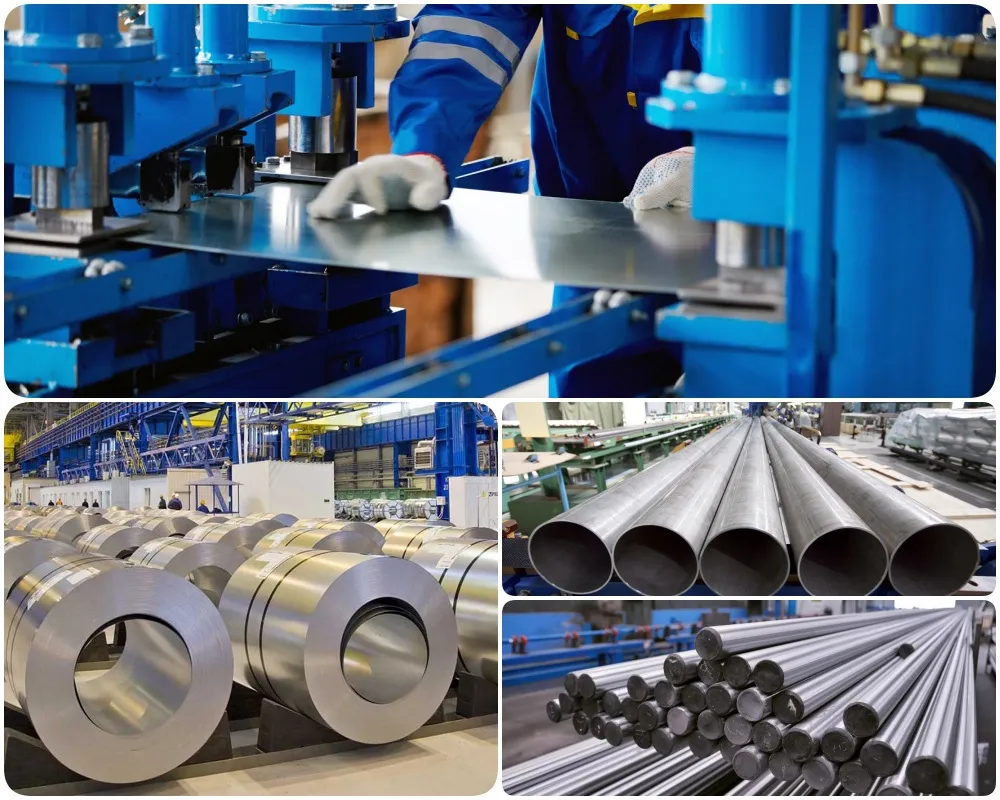
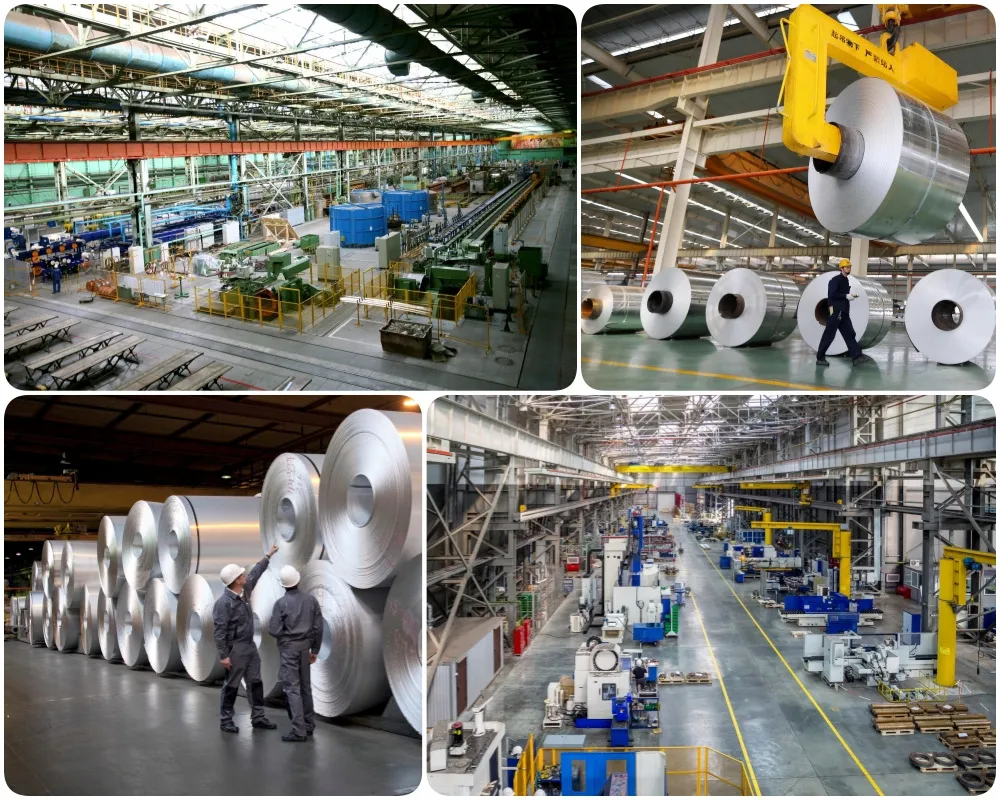
certificate
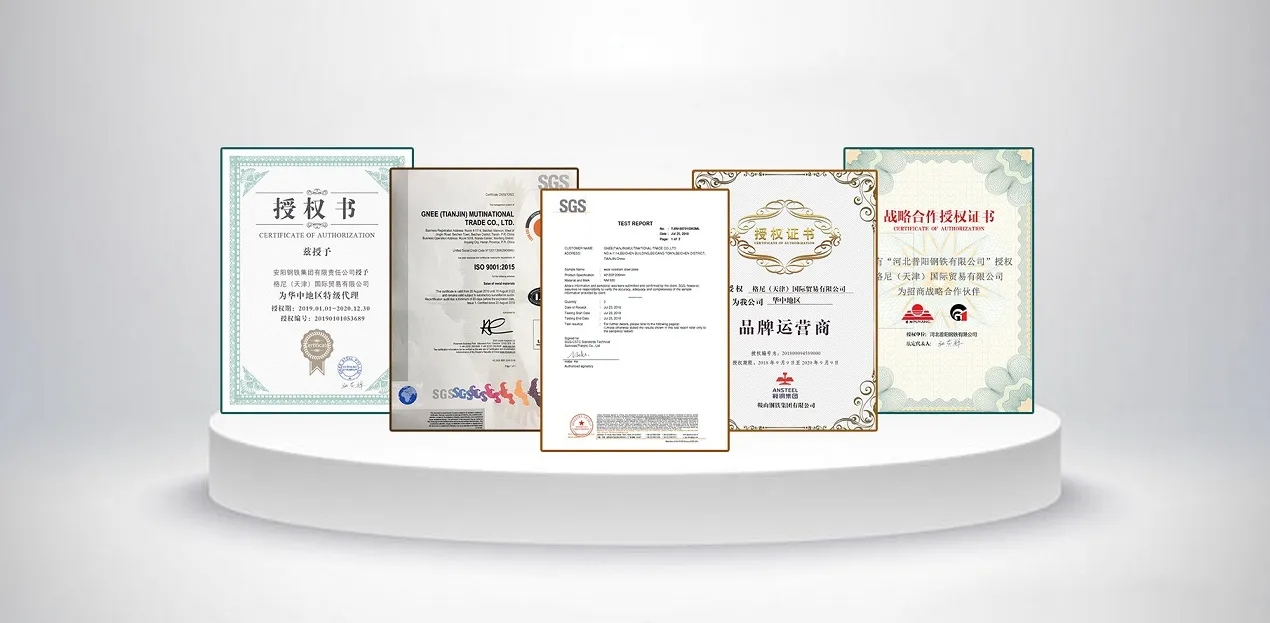
FAQ
Q: What are the main applications of titanium rods?
Q: What makes titanium rods so strong?
Q: Can titanium rods withstand high temperatures?
Q: Are titanium rods suitable for cryogenic applications?
Q: What are the different types of titanium rods?
Q: Can titanium rods be welded?
Q: Can titanium rods be used in contact with food or pharmaceuticals?
Q: Do titanium rods require any special surface treatment?
Q: Are titanium rods magnetic?
Q: Can titanium rods be used in seawater environments?
Q: Are titanium rods lightweight?
Q: Can titanium rods be recycled?
Q: Can titanium rods be used in electrical applications?
Q: Do titanium rods have good mechanical properties?
Q: Can titanium rods be machined easily?
Q: Are titanium rods environmentally friendly?
Q: Can titanium rods be used in nuclear applications?
Q: Are titanium rods resistant to chemical attack?
Q: Can titanium rods be used in jewelry?
Q: Can titanium rods be used in aerospace applications?
As one of the leading titanium rod manufacturers and suppliers in China, we warmly welcome you to buy high-grade titanium rod for sale here from our factory. All customized titanium products are with high quality and competitive price.
Gr7 titanium alloy round Rod, Gr5 titanium alloy round Rod, Ti 6Al 4V Titanium Rectangle Bar