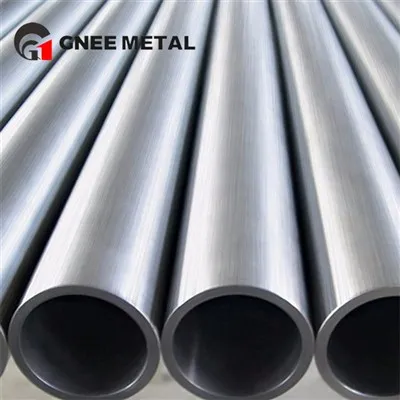

Titanium Tubes in Automotive Exhaust Systems
Nov 25, 2025
Understanding the Role of Exhaust Systems in Automotive Performance
The exhaust system plays a crucial role in automotive performance by managing the flow of gases produced during combustion. Key to this is optimizing gas flow to reduce backpressure-the resistance exhaust gases face as they exit the engine. High backpressure limits engine efficiency by making it harder to expel exhaust gases, which slows down the intake of fresh air-fuel mixture. In contrast, effective scavenging uses the momentum of exiting gases to create a vacuum that pulls more air into the cylinders, boosting power and efficiency.
Material choice significantly impacts these performance factors. Exhaust system weight directly influences a vehicle's acceleration, handling, and fuel economy. Lighter materials reduce overall vehicle mass, improving throttle response and braking, and decreasing fuel consumption. Current market trends, especially in electric vehicles (EVs), hybrids, and racing, highlight a shift toward lightweight exhaust systems to maximize range, efficiency, and speed.
Stainless steel, a common exhaust material, offers good durability and corrosion resistance but falls short in high-performance applications due to its heavier weight. When compared to lighter alternatives like titanium, stainless steel adds unnecessary mass that limits acceleration and agility-critical drawbacks for performance enthusiasts and competitive racing teams alike. These limitations fuel the search for superior materials that marry strength, heat resistance, and low weight for an optimized exhaust solution.
Titanium vs Stainless Steel Exhaust Pipe: A Head to Head Material Comparison
| Property | Titanium (CP2 Grade 2) | Stainless Steel |
|---|---|---|
| Density | About 4.5 g/cm³ (lightweight) | Around 8.0 g/cm³ (heavier) |
| Strength to Weight Ratio | High – excellent for weight savings | Moderate |
| Heat Resistance | Handles up to 1100°F well | Good, but heavier insulation often needed |
| Corrosion Resistance | Exceptional, resists rust naturally | Good, but can corrode over time in harsh conditions |
| Cost per System | Higher upfront cost | More affordable |
| Aesthetic Appeal | Shiny, sleek with natural oxidation colors | Common metallic finish |


Pros and Cons
Titanium Pros
Significant weight reduction, which helps acceleration, handling, and fuel economy.
Better for high-performance and racing applications where every pound counts.
Superior corrosion resistance leads to longer life with minimal maintenance.
High heat tolerance means the exhaust stays efficient at extreme temps.
Titanium Cons
Higher material and manufacturing costs.
Requires specialized welding techniques, often adding to installation expense.
Stainless Steel Pros
Cost-effective choice ideal for daily driving and aftermarket parts.
Easier to weld and work with for most exhaust shops.
Robust enough for everyday use with decent corrosion resistance.
Stainless Steel Cons
Heavier weight reduces performance benefits.
Can develop surface rust and discoloration over time.
Not ideal for top-level racing or performance where weight savings are critical.
Weight Savings Across Exhaust Components
Switching from stainless steel to titanium can cut exhaust system weight by up to 40%. This difference is huge for rotational mass and vehicle dynamics. For example, a full titanium exhaust system including pipes, mufflers, and tips often weighs 15 to 20 pounds less than the stainless counterpart.
Key Advantages of Titanium Tubes in Exhaust Applications
Unmatched Lightweighting for Performance Gains
One of the biggest perks of titanium exhaust tubing is its light weight. Titanium is about 40% lighter than stainless steel, which means a full exhaust system made with titanium can easily shave off 10 to 15 pounds or more depending on the vehicle and setup. This weight reduction isn't just about shedding pounds on the scale-it directly affects the physics of reduced rotational mass, making acceleration quicker and handling sharper. Less unsprung weight improves suspension response, letting you corner better and react faster.
Superior Thermal Management and Durability
Titanium also handles heat better than stainless steel. It features low thermal expansion, so it resists warping under intense exhaust temperatures. Add to that its high fatigue resistance, and you get an exhaust system that lasts longer and stands up well to the thermal cycles vehicles experience on the road or track. This reliability is key for high-performance and racing applications where material failure is not an option.
Enhanced Sound and Aesthetics
When titanium exhaust tubing heats up, it offers a distinct sound signature-a crisp, high-pitched tone compared to the deeper growl stainless steel produces. Many enthusiasts prefer this lighter, more aggressive sound for sportier vehicles. Plus, titanium naturally develops a unique colorful oxidation patina with heat cycling. This adds a custom look without any extra work, making your exhaust system stand out visually while preserving durability.
Environmental and Safety Benefits
Beyond performance, titanium exhaust tubes improve safety and sustainability:
Better heat dissipation reduces the risk of heat soak affecting other engine components.
Titanium's high strength-to-weight ratio means less material use overall.
The material is highly recyclable, supporting environmentally friendly applications.
Practical Considerations for Adopting Titanium Exhaust Tubes
Cost and Break Even
Titanium tubes cost more upfront than stainless steel. However, you can recover some of that through fuel savings thanks to weight reduction and better acceleration. On average, the break-even point depends on how much you drive and your vehicle type. Racing or performance cars often see quicker returns.
Installation Tips
Use experienced welders familiar with titanium welding for clean, durable joints.
Titanium needs an inert gas shield during welding to avoid contamination.
Make sure your installer knows how to handle thin wall tubing to prevent warping or cracking.
Welding Challenges
Titanium welding isn't the same as stainless steel. It requires precision and special equipment, which can limit where you get the work done or add to labor costs.
Compatibility with Sensors
Modern exhaust systems come with O2 sensors and other electronics. Titanium tubes generally work fine but make sure sensor fittings and mounts match your system specs.
Maintenance and Durability
Titanium exhausts need less upkeep since the material resists corrosion and fatigue better than stainless steel. Expect less rust, longer lifespan, and minimal cleaning.
Quality Assurance and Sourcing
Because thin wall titanium tubing can be tricky to produce, it's vital to buy from certified suppliers. Look for ISO certifications and suppliers who specialize in automotive titanium exhaust tubing, like Baoji Xintailai, to guarantee quality and consistency.
about us
We are a leading manufacturer and exporter specializing in Titanium and Titanium Alloy products. Our company is dedicated to providing a comprehensive range of high-quality titanium solutions for demanding global industries such as Aerospace, Chemical Processing, Medical, Marine Engineering, Power Generation, and Sports Equipment.
Our core export portfolio encompasses the full spectrum of wrought titanium products, including:
Titanium Tubes & Pipes: From precision Thin-Walled Titanium Tubes for heat exchangers to robust Thick-Walled Titanium Pipes for high-pressure applications.
Titanium Plates & Sheets: Supplied as Titanium Plates for heavy-duty construction and Titanium Sheets / Titanium Foils for precise manufacturing.
Titanium Bars & Rods: We supply Titanium Bars, Titanium Rods, and Titanium Wires in various diameters and finishes.
Titanium Fasteners: A complete range of Titanium Fasteners including bolts, nuts, and studs.
We expertly process all common grades to meet diverse operational requirements, including:
Commercially Pure Titanium: Gr1, Gr2
Titanium Alloys: Gr5 (Ti-6Al-4V), Gr7, Gr9 (Ti-3Al-2.5V), Gr12
Our production and quality assurance strictly adhere to international standards such as ASTM B265, ASTM B337, ASTM B338, ASTM B348, ASME SB-363, and AMS 4902, ensuring superior performance, excellent corrosion resistance, and high strength-to-weight ratio in every product.
Leveraging our advanced manufacturing expertise and stringent quality control, we are your trusted global partner for reliable, high-performance titanium materials.