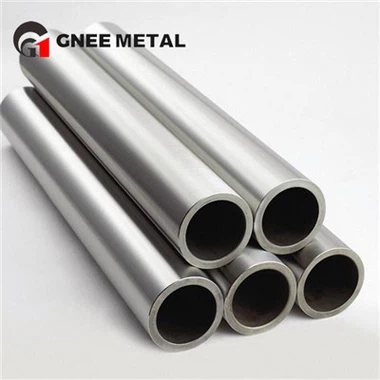

GR1 Titanium in the automotive industry
May 31, 2024
Reducing fuel consumption and harmful waste (CO2, NOX, etc.) emissions has become one of the main driving forces and directions for technological progress in the automotive industry. Studies have shown that lightweighting is an effective measure to achieve fuel saving and pollution reduction. For every 10% reduction in automobile mass, fuel consumption can be saved by 8%-10%, and exhaust emissions can be reduced by 10%. In terms of driving, the acceleration performance of automobiles is improved after lightweighting, and vehicle control stability, noise and vibration are also improved. From the collision safety considerations, automobile lightweight, collision inertia is small, braking distance is reduced.
The preferred way of automobile lightweight is to use high strength lightweight materials, such as aluminum, magnesium, titanium, etc. to replace the traditional automotive materials (steel). 2009 global automotive titanium amount has reached 3000 tons. Titanium in the application of racing cars has been many years of history of the current car almost all use titanium, Japan's automotive titanium has more than 600 tons, with the development of the global automotive industry, automotive titanium is still increasing rapidly.
The advantages of using gr1 titanium in automobiles include: reducing weight and fuel consumption; improving power transmission effects and reducing noise; reducing vibration and component load; improving the durability of the car and environmental protection.