
Uses of molybdenum
Feb 20, 2024
Molybdenum is mainly used in the iron and steel industry, where it is mostly briquetted as industrial molybdenum oxide and used directly in steelmaking or iron casting, while a small proportion is smelted into ferromolybdenum and then used in steelmaking. The molybdenum content in low alloy steel is not more than 1%, but the consumption in this area accounts for about 50% of the total molybdenum consumption. Adding molybdenum to stainless steel improves the corrosion resistance of the steel. Adding molybdenum to cast iron improves the strength and wear resistance of the iron. Nickel-based superalloys containing 18% molybdenum have high melting points, low densities and small coefficients of thermal expansion, and are used to manufacture a variety of high-temperature-resistant components for aviation and aerospace. Molybdenum metal is widely used in electronic devices such as tubes, transistors and rectifiers. Molybdenum oxide and molybdate are excellent catalysts in the chemical and petroleum industries. Molybdenum disulfide is an important lubricant used in the aerospace and mechanical industry sectors. In addition, molybdenum disulfide can catalyze the hydrogenation of carbon monoxide to produce alcohols under certain conditions due to its unique sulfur-resistant property, which is a promising catalyst for C1 chemistry. Molybdenum is one of the essential trace elements for plants and is used as a trace element fertilizer in agriculture.
Molybdenum has the potential to replace graphene in the electronics industry .


The California Nanotechnology Institute (CNSI) has successfully used MoS2 (molybdenum pyroxene, molybdenum disulfide) to fabricate a pyromolybdenum-based flexible microprocessor chip. This MoS2-based microchip is only 20% of the size of an equivalent silicon-based chip, has extremely low power consumption, and transistors made of molybdenum pyroxene consume one hundred thousandth of the power consumed by a silicon-based transistor in standby, and is cheaper than graphene circuits of the same size . And the biggest change is that its circuits are highly flexible and extremely thin and can be attached to human skin.
In 2011 scientists at the Swiss Federal Institute of Technology in Lausanne (EPFL) created the world's first pyromolybdenite microchip (with smaller and more energy-efficient electrical crystals on top). Molybdenum is a strong contender to replace silicon-based chips in the future. Prof. Andras Kish, who led the research, said that molybdenum is a good next-generation semiconductor material that holds great promise for making ultra-small transistors, light-emitting diodes and solar cells.
One of the advantages of pyromolybdenum over silicon and graphene is its smaller size; the pyromolybdenum monolayer is two-dimensional, whereas silicon is a three-dimensional material. On a 0.65-nanometer-thick film of molybdenum pyroxene, electrons move just as easily as on a two-nanometer-thick film of silicon, and molybdenum pyroxene can be machined down to just three atoms thick!
The mechanical properties that molybdenum pyroxene possesses also make it of interest as a possible material for use in elastic electronic devices such as elastic thin-layer wafers. It could be used to make computers that can be rolled up or devices that can be attached to the skin. It could even be implanted in the human body.
The British journal Nature Nanotechnology has pointed out that a single layer of molybdenum pyroxene shows good semiconductor properties, some of which exceed those of widely used silicon and the research favorite graphene, and is expected to become the next generation of semiconductor materials.
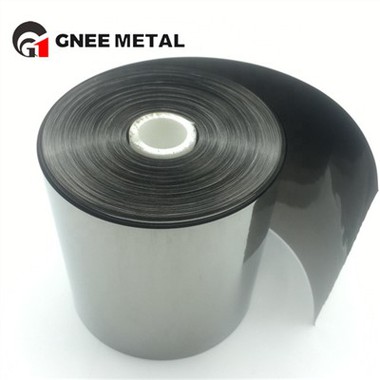
Pure molybdenum wire is used in high-temperature electric furnaces and electric discharge machining and wire cutting; molybdenum sheet is used to manufacture radio equipment and X-ray equipment; molybdenum is resistant to high-temperature ablation and is mainly used in the manufacture of artillery chambers, rocket nozzles, and tungsten filament holders for electric light bulbs. Alloy steel with molybdenum can improve the elastic limit, corrosion resistance and maintain permanent magnetism, etc. Molybdenum is a plant growth and development of the seven micro-nutrients needed in one of the plants, without it, plants can not survive. Animals and fish need molybdenum as much as plants.
Molybdenum is also used in other alloys and in the chemical industry in an ever-expanding range of applications. For example, molybdenum disulfide lubricants are widely used in the lubrication of various types of machinery, and molybdenum metal is gradually being used in nuclear power, new energy and other fields. Because of the importance of molybdenum, governments regard it as a strategic metal, molybdenum in the early twentieth century was used in large quantities in the manufacture of weapons and equipment, modern high, precise, sophisticated equipment on the material requirements of a higher, such as molybdenum and tungsten, chromium, vanadium alloy used in the manufacture of warships, rockets, satellites, alloy components and parts.
Molybdenum is also widely used in thin film solar and other coating industries as a substrate for different film surfaces.