Properties and uses of molybdenum
Jan 30, 2024
Molybdenum is mainly used in the iron and steel industry, where most of it is used directly in steelmaking or iron casting after industrial molybdenum oxide is briquetted, while a small proportion is smelted into ferromolybdenum, molybdenum foil and then used in steelmaking. The molybdenum content in low alloy steel is not more than 1 per cent, but the consumption in this area accounts for about 50 per cent of the total consumption of molybdenum. The addition of molybdenum to stainless steel improves the corrosion resistance of the steel. Adding molybdenum to cast iron improves the strength and wear resistance of the iron. Containing molybdenum 18 per cent of nickel-based superalloys with a high melting point, low density and coefficient of thermal expansion of small characteristics, used in the manufacture of aviation and aerospace of various high-temperature components.


Molybdenum metal is widely used in electronic devices such as tubes, transistors and rectifiers. Molybdenum oxide and molybdates are excellent catalysts in the chemical and petroleum industries. Molybdenum disulphide is an important lubricant used in the aerospace and machinery industry sectors. Molybdenum is one of the essential trace elements for plants and is used as a trace element fertiliser in agriculture.
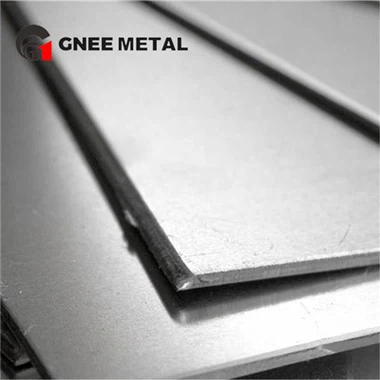
Pure molybdenum wire is used in high-temperature furnaces and EDM and wire-cutting processes; molybdenum sheets are used to manufacture radio equipment and X-ray equipment; molybdenum is resistant to high temperatures.
Molybdenum crucible ablation, mainly used for artillery bore, rocket nozzle, electric light bulb tungsten filament bracket manufacturing. Alloy steel with molybdenum can improve the elastic limit, corrosion resistance and maintain permanent magnetism, etc. Molybdenum is one of the seven micronutrients required for plant growth and development, without which plants can not survive. Animals and fish also need molybdenum, as do plants.