Basic Information On Titanium
Jan 22, 2024
Basic Information Library
Chinese name:金属钛
English name: titanium
Alias: titanium powder; titanium sponge powder
CAS No.: 7440-32-6
EINECS No.: 241-036-9 [1]
Molecular formula: Ti
Molecular weight: 47.90
Hazardous labeling: 8 (flammable solid)
Packing group: O52
Packing method: Threaded glass bottles, glass bottles with iron cap, plastic bottles or metal drums (cans) outside ordinary wooden boxes; threaded glass bottles, plastic bottles or tin-plated thin steel drums (cans) outside full bottom board lattice boxes, fiberboard boxes or plywood boxes.
-Physical and chemical properties
Main components: pure product
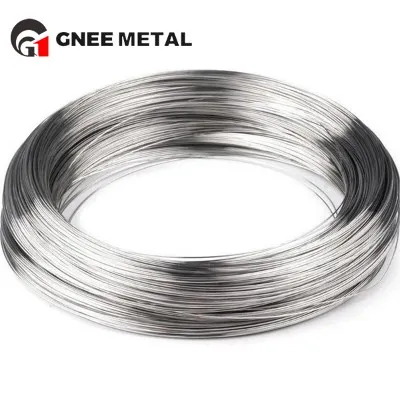
Appearance and properties: titanium is silver-white, the powder is dark gray or black shiny amorphous powder, or hard steel-colored cubic crystals.
Melting point (℃): 1720
Boiling point (℃): 3530
Relative density (water=1): 4.5
Relative vapor density (air=1):
Vapor pressure (kPa):
Flash Point:
Heat of combustion (kJ/mol):
Solubility of compound in water (S).
Ignition temperature(℃): 460
Upper explosion limit %(V/V):
Lower explosion limit %(V/V): 40mg/m3
Stability and reactivity: Stable
Hazardous Characteristics: Titanium metal dust is explosive and will burn and explode when exposed to heat, open flame or chemical reaction. Its powder has high chemical activity and can spontaneously combust in air. Titanium metal can not only burn in air, but also in carbon dioxide or nitrogen. At high temperature, it can be easily combined with halogen, oxygen, sulfur and nitrogen.
Solubility: insoluble in water, soluble in hydrofluoric acid, nitric acid, concentrated sulfuric acid.
Prohibited substances: oxygen, halogen, aluminum, strong acid, strong oxidizer, carbon dioxide.
-Emergency Disposal Library
Skin contact: Remove contaminated clothing and rinse skin thoroughly with soapy water and water.
EYE CONTACT: Lift eyelids and flush with running water or saline. Seek medical attention.
INHALATION: Remove quickly from scene to fresh air. Keep airway open. If breathing is difficult, administer oxygen. If breathing stops, administer artificial respiration immediately. Seek medical attention.
Ingestion: Drink sufficient warm water and induce vomiting. Seek medical attention.
RESPIRATORY PROTECTION: Self-priming filtering dust mask must be worn when there is a possibility of exposure to its dust.
EYE PROTECTION: Wear safety glasses.
Body Protection: Wear gas permeable gas resistant clothing.
Hand protection: Wear anti-poison penetration gloves.
Other protection: Smoking, eating and drinking are prohibited at the work site. After work, shower and change clothes. Pay attention to personal hygiene.
Emergency treatment of leakage: Isolate the leakage contaminated area and restrict access. Cut off the source of fire. It is recommended that emergency personnel wear dust masks (full face masks) and anti-virus clothing. Don't touch the leak directly. Small amount of leakage: Avoid raising dust and collect in dry, clean, covered containers with a clean shovel. Transfer for recycling. Large spills: Cover with plastic sheeting, canvas. Use non-sparking tools to transfer for recovery.
Harmful combustion products: Titanium oxide.
Extinguishing method: Use dry powder and dry sand to extinguish fire. Strictly prohibit the use of water, foam and carbon dioxide to extinguish the fire. In case of high heat or intense combustion, extinguishing with water may cause an explosion.