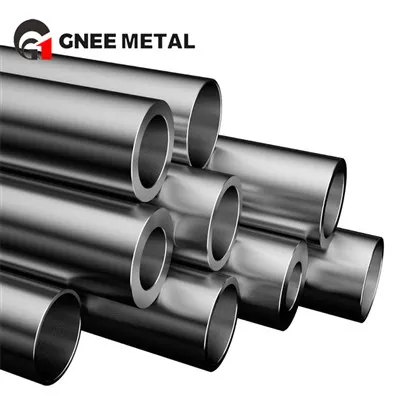
General principles of gr5 titanium plate cutting and processing
Mar 25, 2024
According to the nature of titanium alloy and the characteristics of the cutting process, the following aspects should be considered:
Tungsten and cobalt carbide and titanium alloys and other chemical affinity is small, good thermal conductivity, high strength carbide with carbide tools. Impact-resistant ultra-fine grain carbide can be used for low-speed intermittent cutting, and high-speed steel with good high-temperature performance can be used for molding and complex tools.
A smaller front angle and a larger back angle are used to increase the contact length between the chip and the front cutter face and reduce the friction between the workpiece and the back cutter face. The tip of the cutter uses a curved transition edge to improve strength and avoid burns and collapses at the sharp corners.


Keep the knife edge sharp to ensure smooth chip removal and avoid sticky chips and collapsed edge.
Cutting speed should be low to avoid high cutting temperature; moderate feed, easy to burn the knife is too large, the blade in the work hardening layer wear too fast; cutting depth can be larger, so that the tip of the knife in the hardening layer below the work, is conducive to improving the durability of the tool.
The coolant must be sufficiently cooled during the machining process.
When cutting titanium alloys, the resistance of the tool is greater, so the process system needs to ensure sufficient rigidity. Due to the easy deformation of titanium alloy, the cutting clamping force is not large, especially in some finishing processes, and some auxiliary support can be used if necessary.
The above are the general principles to be considered in titanium alloy machining. In fact, in different processing methods and conditions, there are different contradictory salient points and the focus of the problem.