
Is TA9 (Grade 7 Titanium) Reliable Against Crevice Corrosion in Strong Oxidizing Acids?
Nov 20, 2026
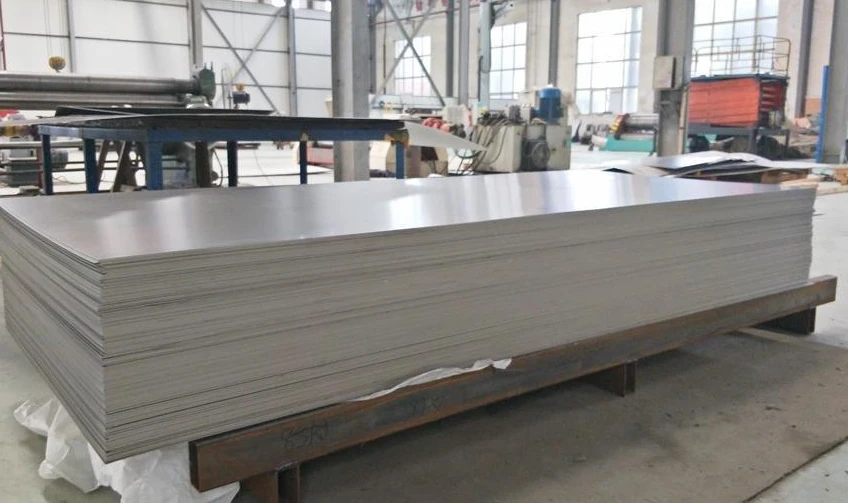
TA9 titanium alloy, equivalent to ASTM Grade 7 (Ti-0.2Pd), is known for its enhanced corrosion resistance compared with commercially pure titanium, particularly in aggressive chemical environments.
But does its palladium addition make it a reliable choice for equipment exposed to strong oxidizing acids such as nitric acid?
The answer is yes, under properly evaluated operating conditions, but Grade 7 should not be considered immune to crevice corrosion or high-temperature acid attack.
Titanium naturally forms a protective titanium dioxide (TiO₂) film when exposed to oxygen-containing environments. This passive film provides excellent resistance to many oxidizing acids, including nitric acid. The addition of palladium further improves the ability of titanium to maintain or restore passivity when local conditions become less favorable.
Why Does Crevice Corrosion Occur in Titanium?
Titanium relies on a thin, stable oxide film to resist corrosion. Under normal conditions, this film forms naturally and can repair itself when minor damage occurs.
However, the environment inside a narrow crevice can differ significantly from the surrounding bulk solution.
Typical crevice locations in chemical processing equipment include:
Flange connections and gasket interfaces
Tube-to-tubesheet joints in heat exchangers
Overlapping plates and bolted connections
Deposits and accumulated process residues
Narrow gaps around internal equipment components
In these areas, restricted solution exchange can cause local changes in chemical composition, acidity, and electrochemical conditions.
The critical issue is the development of an aggressive local environment that makes it difficult for the passive film to remain stable.
How Crevice Conditions Develop
The corrosion process can involve several interacting mechanisms:
Restricted mass transfer: The narrow gap limits the exchange of fresh process solution with the surrounding environment.
Local chemical changes: Corrosion reactions and hydrolysis of dissolved metal ions can increase acidity inside the crevice.
Passive film destabilization: If the local environment becomes sufficiently aggressive, the protective TiO₂ film may break down.
Localized corrosion: Once active dissolution begins, corrosion can become concentrated inside the crevice rather than occurring uniformly across the exposed surface.
The exact mechanism depends on the process chemistry. Oxygen depletion alone does not automatically cause titanium crevice corrosion, and the presence of an oxidizing acid does not guarantee that every confined area will remain passive.
How Palladium Improves TA9 Corrosion Resistance
The main difference between TA9 and commercially pure TA2 is the addition of a small amount of palladium.
| Material | Typical Composition | Main Corrosion Characteristic |
|---|---|---|
| TA2 / Grade 2 | Commercially pure titanium | Good resistance in many oxidizing environments |
| TA9 / Grade 7 | Titanium + 0.12–0.25% Pd | Improved resistance to localized corrosion and reducing conditions |
| TA10 / Grade 12 | Titanium + 0.2–0.4% Mo + 0.6–0.9% Ni | Improved resistance in various reducing acid environments |
Palladium acts as a catalytic addition that improves the electrochemical behavior of titanium, particularly under reducing conditions.
It can facilitate cathodic reactions and help maintain a potential at which titanium can remain passive or repassivate after local film damage.
This improvement is particularly valuable in crevices and under deposits, where local conditions may become more reducing than those of the surrounding solution.
In nitric acid, however, the distinction is important: the bulk solution is strongly oxidizing, and commercially pure titanium already has good corrosion resistance over many service conditions. The additional benefit of palladium is therefore not the same as its benefit in strongly reducing acids.
Is TA9 Suitable for Nitric Acid Service?
Nitric acid is a strongly oxidizing acid. Its oxidizing nature generally supports the formation and stability of titanium's passive oxide film.
Titanium has consequently been widely used in nitric acid processing equipment.
However, high temperature, acid purity, concentration, and local process conditions can significantly change its corrosion behavior.
General Corrosion Behavior in Nitric Acid
| Operating Condition | General Assessment | Engineering Consideration |
|---|---|---|
| Dilute to moderate nitric acid at relatively low temperatures | Generally favorable | Verify acid concentration and impurities |
| Concentrated nitric acid at moderate temperatures | Potentially suitable | Review grade-specific corrosion data |
| Hot nitric acid near or above its boiling point | Requires careful evaluation | Consider general corrosion and vapor-phase attack |
| Very hot, highly oxidizing nitric acid | Potentially aggressive | Laboratory testing and alternative materials may be necessary |
| Nitric acid containing chloride contamination | More complex corrosion environment | Evaluate localized corrosion and actual impurity levels |
| Nitric acid containing fluoride or acidic fluorides | High concern | Titanium may suffer rapid attack |
What Happens in Hot and Highly Concentrated Nitric Acid?
Titanium does not have unlimited resistance to nitric acid.
Under certain high-temperature conditions, particularly in very pure nitric acid or acidic vapor condensates, accelerated general corrosion can occur.
This is not necessarily crevice corrosion. It may involve continued dissolution or breakdown of the protective oxide film over exposed surfaces.
The distinction matters when selecting materials for reactors, evaporators, condensers, and nitric acid storage or transfer systems.
A material that performs well in an ordinary nitric acid solution may behave differently in hot acid vapor or condensate.
For this reason, engineers should evaluate both liquid-phase and vapor-phase exposure when designing equipment.
TA9 Corrosion Resistance: Low-, Medium-, and High-Risk Conditions
Rather than using a single nitric acid concentration or temperature as a universal acceptance limit, it is more useful to classify operating conditions according to their corrosion risks.
Low-Risk Conditions: Generally Favorable for TA9
Typical characteristics include:
Nitric acid at moderate temperatures
Relatively stable acid concentration
Low levels of aggressive contaminants
No significant fluoride contamination
Equipment designed to avoid stagnant liquid pockets
Properly fabricated and cleaned welded joints
Under these conditions, TA9 can provide a reliable corrosion-resistant material option.
Its enhanced resistance to localized attack makes it particularly attractive for equipment containing gasket interfaces, tube sheets, and other potential crevice locations.
Medium-Risk Conditions: Engineering Evaluation Required
Potential warning signs include:
Elevated operating temperatures
Concentrated nitric acid
Chloride contamination
Narrow gasket gaps or stagnant liquid regions
Deposits accumulating on titanium surfaces
Frequent changes in acid concentration during operation
In these environments, material selection should be supported by corrosion data that closely matches the actual process conditions.
Useful evaluation methods include immersion tests, crevice corrosion testing, and inspection of representative welded or gasketed assemblies.
High-Risk Conditions: Do Not Assume TA9 Is Suitable
The following conditions require particular caution:
Hot, highly concentrated nitric acid
Boiling nitric acid under aggressive process conditions
Red fuming nitric acid or other unusual highly oxidizing environments
Fluoride-containing nitric acid
Acid vapor and condensate exposure at elevated temperatures
Severe contamination combined with prolonged stagnant conditions
Post-test specimen examination
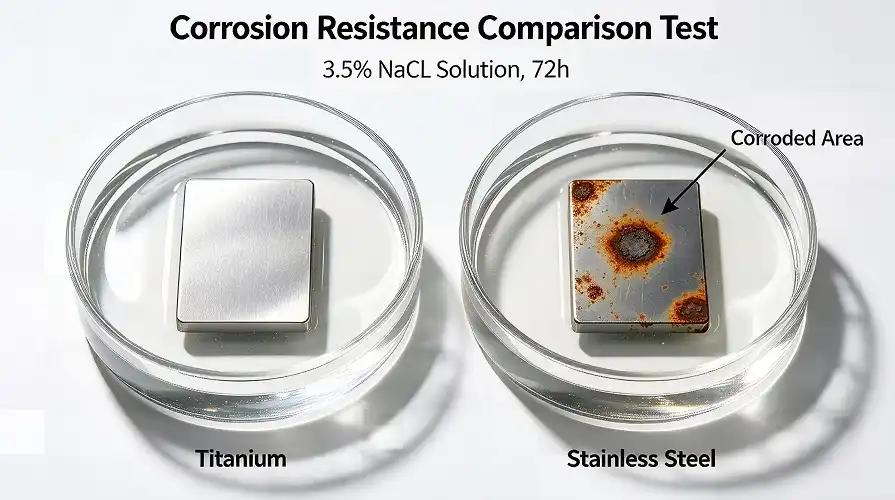
How to Reduce Crevice Corrosion Risks in TA9 Equipment
Even when the selected material has excellent corrosion resistance, equipment design and fabrication remain important.
For TA9 components operating in nitric acid, the following measures should be considered.
Equipment Design and Gasket Selection
Pay particular attention to flange connections, tube-to-tubesheet joints, and other areas where process liquid can become trapped.
Recommended practices include:
Minimize unnecessary narrow gaps and overlapping structures.
Avoid dead zones where acidic liquid can remain stagnant.
Design equipment to allow complete drainage where practical.
Select gasket materials compatible with the actual acid concentration and operating temperature.
Ensure proper gasket compression and flange alignment.
Consider inspectability when designing critical joints.
PTFE gaskets may be suitable for many chemical applications, but their suitability must be checked against the operating temperature, pressure, and specific nitric acid environment.
Welding and Fabrication Control
Welding quality directly affects the long-term reliability of titanium equipment.
For TA9 fabrication, important controls include:
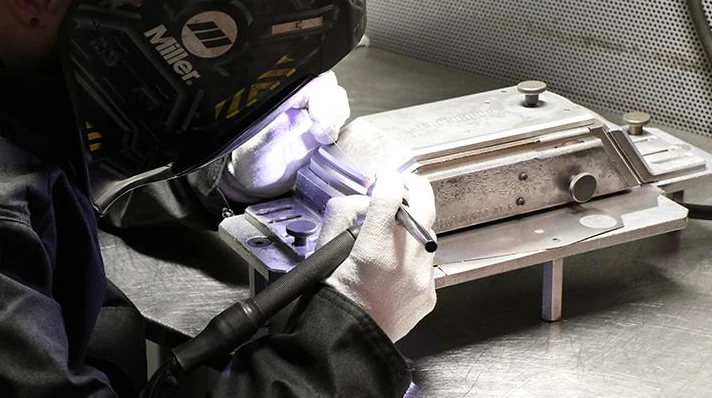
Use compatible Grade 7 welding filler metal where required by the qualified welding procedure.
Maintain adequate inert gas shielding during welding, including root-side protection.
Prevent oxygen and nitrogen contamination of hot titanium.
Remove unacceptable weld discoloration and surface contamination using an approved titanium cleaning procedure.
Inspect welds and heat-affected areas according to the project quality requirements.
Weld oxidation, surface contamination, and inadequate cleaning should never be overlooked in corrosion-resistant titanium equipment.
Post-weld cleaning and pickling should follow an appropriate procedure for the material and service environment. The process should not be treated as a substitute for proper welding protection.
Operating Condition Control
Material performance can deteriorate when actual operating conditions exceed the original design assumptions.
Plant operators should monitor:
Nitric acid concentration
Operating and local surface temperatures
Chloride and fluoride contamination
Changes in process flow and liquid retention
Deposits and accumulated residues
Start-up, shutdown, and cleaning conditions
Pay special attention to local hot spots and areas with poor circulation.
Fluoride contamination deserves particular attention because fluoride ions and acidic fluorides can attack titanium's protective oxide film.
Inspection and Maintenance
Inspection should focus on locations where localized corrosion is most likely to develop.
| Inspection Method | Main Purpose | Typical Inspection Location |
|---|---|---|
| Visual inspection | Identify discoloration, deposits, and visible corrosion damage | Exposed titanium surfaces |
| Thickness measurement | Evaluate material loss | Equipment walls and accessible components |
| Liquid penetrant testing | Detect surface-breaking cracks | Welds and selected critical surfaces |
| Crevice examination after disassembly | Identify localized attack beneath gaskets or deposits | Flanges and bolted joints |
| Metallographic examination | Investigate corrosion morphology and damage mechanisms | Removed or sectioned samples |
| Hydrogen analysis | Investigate possible hydrogen absorption | Suspected affected titanium components |
No single inspection method is sufficient for every failure mode. For example, liquid penetrant testing is useful for surface-breaking defects but does not replace direct examination of hidden crevice surfaces.
For critical nitric acid equipment, inspection intervals should be established according to operating severity, previous inspection results, and the consequences of failure.
Grade 7 titanium TIG welding
TA9 vs. TA2 vs. TA10 vs. Zirconium: Which Material Should You Choose?
Choosing between TA9, TA2, TA10, and zirconium requires understanding the dominant corrosion mechanism.
The best material for a nitric acid system may not be the most economical or technically appropriate choice for a hydrochloric acid or chloride-containing process.
Material Comparison
| Comparison | TA2 / Grade 2 | TA9 / Grade 7 | TA10 / Grade 12 | Zirconium |
|---|---|---|---|---|
| Main alloying elements | Commercially pure Ti | 0.12–0.25% Pd | Mo and Ni additions | Zr-based material |
| Oxidizing acid resistance | Generally excellent in suitable conditions | Generally excellent | Good in many suitable environments | Excellent in many nitric acid services |
| Reducing acid resistance | More limited | Significantly improved | Improved | Depends on the acid |
| Crevice corrosion resistance | More limited | Improved | Improved in selected environments | Depends on the process chemistry |
| Fabrication | Excellent | Similar to commercially pure titanium | Generally good | Requires grade-specific fabrication procedures |
| Material cost | Generally lower | Higher than TA2 | Varies by market and specification | Generally higher |
| Typical selection focus | General corrosion-resistant applications | More demanding localized corrosion and chemical service | Selected reducing acid and chloride-containing environments | Demanding nitric acid applications |
TA9 vs. TA2: Is the Palladium Addition Worth the Cost?
TA2 is already a strong material choice for many nitric acid applications because of its stable passive film.
However, where localized corrosion, reducing crevice conditions, or more aggressive chemical environments are concerns, TA9 offers an additional level of corrosion resistance.
The additional cost of palladium-containing titanium may be justified when improved resistance to localized corrosion is important to equipment reliability and maintenance costs.
For straightforward oxidizing acid applications, TA2 should not automatically be ruled out.
TA9 vs. TA10: Which Is Better for Chemical Equipment?
TA10 (Grade 12) contains molybdenum and nickel, which improve its corrosion resistance in a number of reducing acid environments.
TA9 uses palladium to improve the electrochemical behavior of titanium.
Their performance is therefore dependent on the actual process chemistry rather than a simple ranking of one grade above the other.
As a general selection guide:
Choose TA9 for consideration when localized corrosion resistance and palladium-enhanced passivity are important.
Consider TA10 for reducing acid environments where its Mo-Ni alloying system offers a suitable corrosion advantage.
Compare both grades against actual corrosion data before finalizing the material specification.
TA9 vs. Zirconium: When Should You Consider Zirconium?
Zirconium is widely used in demanding nitric acid processing applications because of its excellent resistance to many nitric acid concentrations and elevated temperatures.
For severe hot nitric acid service, zirconium may provide a more suitable corrosion resistance profile than TA9.
However, zirconium selection also requires consideration of:
Specific zirconium grade
Acid concentration and temperature
Chloride and fluoride impurities
Mechanical loading and stress conditions
Fabrication and welding requirements
Material availability and project cost
If the equipment operates in hot, concentrated nitric acid, zirconium should be evaluated alongside TA9 rather than assuming Grade 7 is sufficient.
Common Misconceptions About TA9 in Strong Oxidizing Acids
Several assumptions can lead to incorrect material selection.
| Misconception | What Engineers Should Understand |
|---|---|
| TA9 contains palladium, so it cannot suffer crevice corrosion. | Palladium improves passivity, but it does not eliminate all localized corrosion risks. |
| Nitric acid is oxidizing, so titanium is always safe. | High temperature, acid purity, and unusual process conditions can cause accelerated attack. |
| TA9 is always better than TA2 in nitric acid. | TA2 already has excellent resistance in many nitric acid environments; the additional benefit of Pd depends on the service conditions. |
| Chloride-free nitric acid is always safe for TA9. | High-temperature general corrosion can occur even without chloride contamination. |
| TA9 is more suitable than zirconium for all concentrated nitric acid applications. | Zirconium is often preferred for particularly demanding hot nitric acid services. |
| Palladium eliminates the need for post-weld cleaning. | Proper weld shielding, surface cleaning, and inspection remain essential. |
| Liquid penetrant testing can identify every form of crevice corrosion. | Hidden corrosion beneath gaskets or deposits may require disassembly and direct examination. |
The most important principle is that corrosion resistance must be evaluated against the actual process environment, not simply the alloy designation.
FAQ
Q: Is TA9 better than TA2 in nitric acid?
A: Both materials can perform well in many nitric acid environments.
TA2 already offers excellent resistance to oxidizing nitric acid under suitable conditions. TA9 adds palladium, which improves resistance to localized corrosion and aggressive reducing environments.
The benefit of upgrading from TA2 to TA9 depends on the equipment design and actual operating conditions.
Q: Can TA9 be used in boiling 65% nitric acid?
A: This condition requires careful engineering evaluation.
Boiling nitric acid introduces a substantially more demanding temperature condition than ordinary liquid-phase service. The purity of the acid, impurities, vapor exposure, and equipment design all affect corrosion performance.
Do not approve TA9 solely on the basis of its Grade 7 designation. Obtain corrosion data under representative test conditions and compare zirconium where appropriate.
Q: What happens if nitric acid contains chloride ions?
A: Chloride contamination can complicate the corrosion behavior of titanium equipment, particularly in combination with elevated temperatures, deposits, or restricted-flow areas.
The actual risk depends on chloride concentration, acid chemistry, and operating conditions.
The presence of chloride should therefore be included in the material selection assessment rather than treated as a minor detail.
Q: Can TA9 continue operating after crevice corrosion has occurred?
A: That depends on the depth and extent of the damage, remaining wall thickness, operating pressure, and corrosion mechanism.
Minor surface damage does not automatically mean that the component must be replaced. However, active localized corrosion, significant material loss, cracking, or possible hydrogen-related damage requires a proper engineering assessment.
For pressure-containing equipment, continued service should be approved through the applicable inspection and fitness-for-service procedures.
Q: Should I choose TA9 or TA10 for nitric acid equipment?
A: Neither grade is universally superior.
TA9 offers palladium-enhanced corrosion resistance, while TA10 uses molybdenum and nickel to improve resistance in selected aggressive environments.
For nitric acid systems, compare the actual corrosion performance of both materials under the intended concentration, temperature, and impurity conditions.
Q: What information is needed to select the right titanium grade?
A: Before recommending TA2, TA9, or TA10, the material supplier should understand:
Acid type and concentration
Normal and maximum operating temperatures
Operating pressure
Chloride and fluoride content
Whether the equipment handles liquid, vapor, or both
Equipment type and connection design
Required material form and applicable standards
Providing these details helps avoid selecting a material based on incomplete corrosion assumptions.
TA9 Grade 7 Titanium Supply for Chemical Processing Equipment
We supply titanium materials for chemical processing and industrial equipment manufacturing, including corrosion-resistant grades for demanding service environments.
Available product forms can include:
| Product Form | Typical Applications |
|---|---|
| TA9 / Grade 7 Titanium Plate | Reactor linings, tanks, chemical equipment, and fabricated components |
| TA9 / Grade 7 Titanium Sheet | Equipment fabrication and corrosion-resistant sheet components |
| TA9 / Grade 7 Titanium Bar | Machined components, fasteners, and industrial parts |
| TA9 / Grade 7 Titanium Tube | Heat exchangers, process piping, and chemical transfer systems |
| TA9 / Grade 7 Titanium Forgings | Special components and pressure equipment parts |
Typical material standards include:
ASTM B265 – Titanium and titanium alloy strip, sheet, and plate
ASTM B348 – Titanium and titanium alloy bars and billets
ASTM B338 – Titanium and titanium alloy tubes for condensers and heat exchangers
ASTM B861 – Titanium and titanium alloy seamless pipe
ASTM B862 – Titanium and titanium alloy welded pipe
The applicable standard and product form should be confirmed against the project specification and purchase order.