


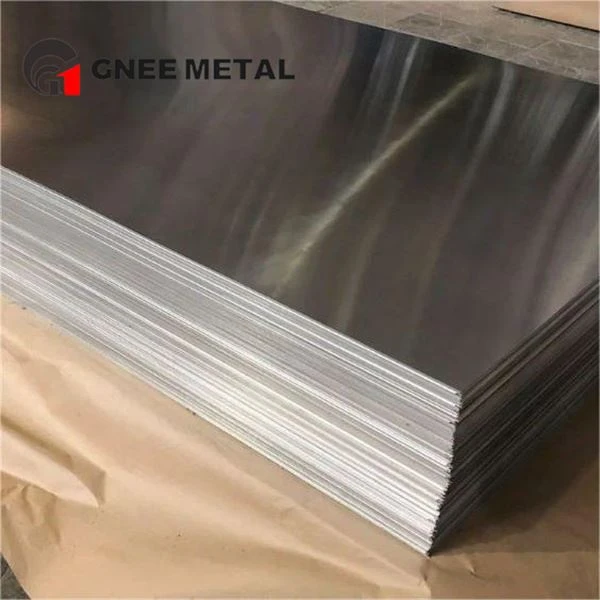
Grade 7 Titanium Plate
Grade: Titanium Grade 7 (UNS R52400, Ti-0.12–0.25Pd)
Standard: ASTM B265 / ASME SB265
Thickness: 0.5–100 mm
Width: 200–2,000 mm
Length: 1,000–6,000 mm
Manufacturing Process: Hot Rolled, Cold Rolled
Surface Finish: Pickled, Polished, Sandblasted, Mill Finish
Heat Treatment: Annealed
Supply Form: Titanium Sheet, Titanium Plate
Inspection Documents: EN 10204 3.1 Mill Test Certificate (MTC)
Description
What is a Grade 7 titanium plate?
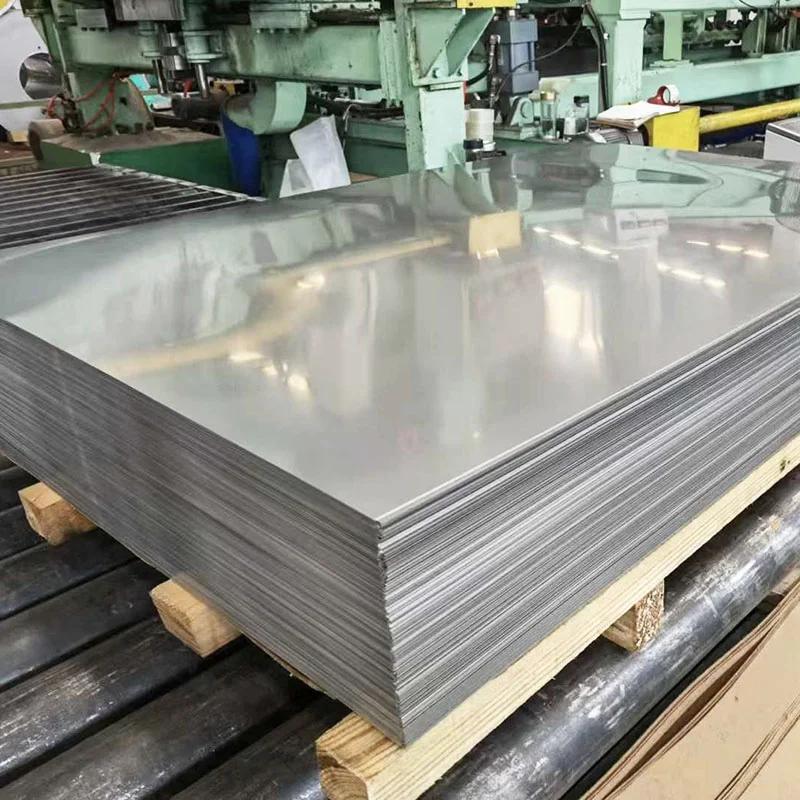
Grade 7 Titanium Plate (UNS R52400) is a palladium-enhanced commercially pure titanium material manufactured in accordance with ASTM B265. It contains approximately 0.12–0.25% palladium (Pd), which significantly improves its corrosion resistance in certain aggressive chemical environments.
Compared with Grade 2 titanium, Grade 7 offers enhanced resistance to reducing acids, localized corrosion and crevice corrosion under suitable service conditions. It retains similar mechanical properties, weldability and fabrication characteristics to commercially pure titanium.
Grade 7 titanium plate is mainly selected for chemical processing equipment, heat exchangers, reactors and other industrial components where corrosion resistance is a primary material requirement.

| Parameter | Details |
|---|---|
| Material Name | Grade 7 Titanium Plate |
| Grade | Grade 7 |
| UNS | R52400 |
| Alloy Type | Palladium-enhanced commercially pure titanium |
| Main Alloying Element | Palladium (Pd) |
| Palladium Content | 0.12–0.25% |
| Standard | ASTM B265 |
| Density | Approx. 4.51 g/cm³ |
| Typical Supply Condition | Annealed |
| Main Advantage | Enhanced corrosion resistance in selected chemical environments |
| Main Applications | Chemical processing, heat exchangers, reactors and corrosion-resistant equipment |
Request a Grade 7 Titanium Plate Quote
UNS R52400 Titanium Plate Specifications
| Parameter | Common Commercial Range |
|---|---|
| Material Grade | Grade 7 |
| UNS | R52400 |
| Standard | ASTM B265 |
| Thickness | 0.5–100 mm |
| Width | 500–2,000 mm |
| Length | 1,000–6,000 mm |
| Density | Approx. 4.51 g/cm³ |
| Supply Condition | Annealed |
| Surface Finish | Hot Rolled, Pickled, Machined, Polished |
| Product Forms | Plate, Sheet, Strip |
Chemical Composition of Grade 7 Titanium
The main difference between Grade 7 and commercially pure Grade 2 titanium is the addition of palladium. This small addition improves the stability of titanium's passive oxide film in certain corrosive environments.
Chemical Composition (Weight %)
| Element | Grade 7 Requirement |
|---|---|
| Palladium (Pd) | 0.12–0.25 |
| Iron (Fe) | 0.30 max |
| Oxygen (O) | 0.25 max |
| Carbon (C) | 0.08 max |
| Nitrogen (N) | 0.03 max |
| Hydrogen (H) | 0.015 max |
| Titanium (Ti) | Balance |
Chemical composition should be checked against the applicable ASTM B265 edition and the material test certificate supplied with the order.
Why Is Palladium Important in Grade 7 Titanium?
Palladium improves the electrochemical behavior of titanium in certain reducing acid environments. It helps maintain the protective passive film and reduces the risk of localized corrosion under conditions where commercially pure titanium may be less resistant.
This is why Grade 7 is frequently considered for chemical equipment exposed to demanding process media.
Mechanical Properties of Grade 7 Titanium Plate
Grade 7 has mechanical properties broadly comparable to Grade 2 titanium. Its main advantage is improved corrosion resistance rather than a substantial increase in strength.
Typical Room-Temperature Mechanical Requirements
| Mechanical Property | Typical Requirement |
|---|---|
| Tensile Strength | 345 MPa min |
| Yield Strength (0.2% Offset) | 275 MPa min |
| Yield Strength | 450 MPa max |
| Elongation | 20% min |
Physical Properties
| Property | Typical Value |
|---|---|
| Density | 4.51 g/cm³ |
| Elastic Modulus | Approx. 112 GPa |
| Thermal Conductivity | Approx. 21.8 W/(m·K) |
| Melting Range | Approx. 1,660–1,670°C |
Corrosion Resistance of Grade 7 Titanium
Corrosion resistance is the primary reason buyers choose Grade 7 titanium plate over standard commercially pure titanium grades.
The addition of palladium improves corrosion performance in selected reducing environments and helps Grade 7 resist localized corrosion. However, its suitability must always be evaluated against the actual chemical composition, concentration, temperature and operating conditions.
Resistance to Reducing Acids
Grade 7 is particularly useful in certain reducing acid environments where unalloyed titanium may experience higher corrosion rates.
It is commonly considered for equipment exposed to selected sulfuric acid and hydrochloric acid conditions. The actual corrosion rate depends strongly on acid concentration, temperature and other dissolved substances.
Resistance to Crevice Corrosion
Palladium improves resistance to crevice corrosion compared with commercially pure titanium.
This is important for equipment containing bolted joints, gaskets, overlapping plates and narrow gaps where stagnant solutions may accumulate.
Performance in Chloride-Containing Environments
Grade 7 provides strong resistance to many chloride-containing environments, including seawater and brine under suitable conditions.
For seawater equipment, material selection should also consider temperature, flow velocity, deposits, crevice geometry and fabrication quality.
Chemical Processing Conditions
Grade 7 is suitable for consideration in selected chemical processing applications involving corrosive liquids and demanding operating conditions.
Before specifying the material, buyers should provide:
Chemical name and concentration
Operating temperature and pressure
Chloride or other impurity content
Flow conditions
Expected service life
Welding and fabrication requirements
For a corrosion-resistant material recommendation, send us your process medium, concentration and operating temperature.
Discuss Corrosion-Resistant Material Selection
Types of UNS R52400 Titanium Plate
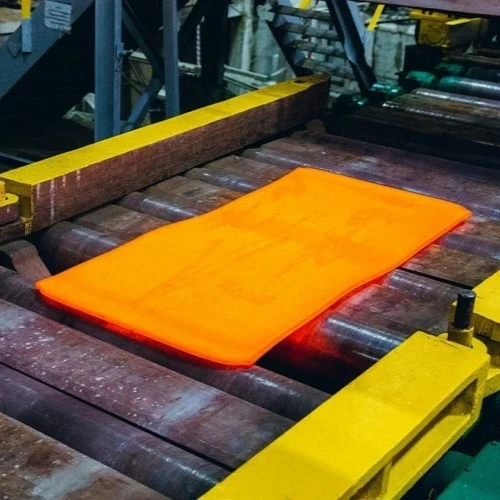
Hot Rolled Grade 7 Titanium Plate
Produced through hot rolling, hot rolled plate is commonly used for industrial equipment manufacturing and applications requiring thicker titanium material.
Typical uses include reactor components, pressure vessel parts and chemical equipment plates.
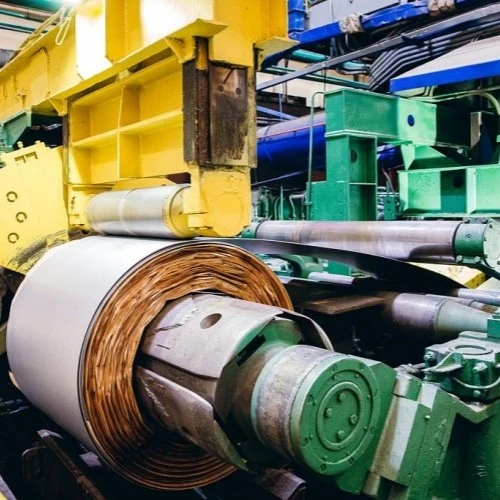
Cold Rolled Grade 7 Titanium Sheet
Cold rolling provides improved thickness control and a smoother surface compared with a typical hot rolled finish.
It is suitable for thinner sheet products, formed components and applications requiring more consistent surface quality.
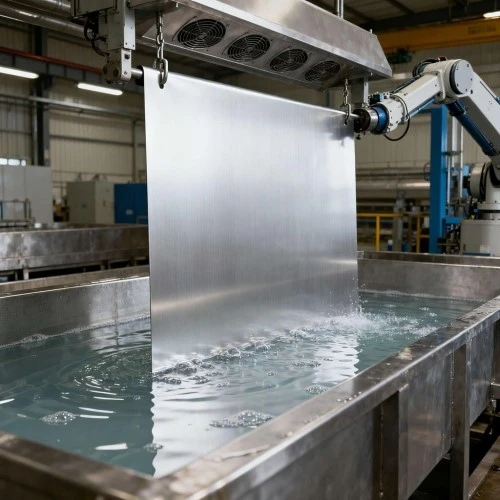
Pickled Grade 7 Titanium Plate
Pickling removes surface oxide scale and processing residues formed during hot working and heat treatment.
It provides a cleaner surface for subsequent fabrication, inspection or further machining.
Surface Finishes of Grade 7 Titanium Plate
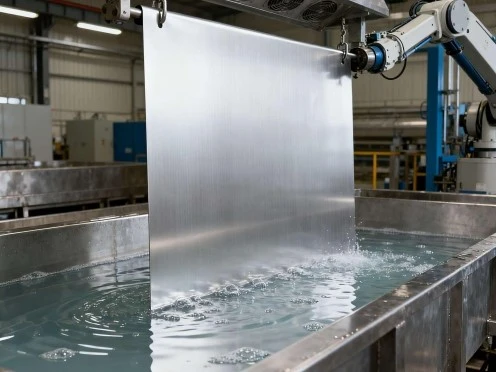
Surface condition affects appearance, subsequent fabrication and preparation for welding or machining.
Pickled Titanium Plate
Ground Titanium Plate
Polished Titanium Plate
| Surface Finish | Characteristics | Typical Applications |
|---|---|---|
| Hot Rolled | Mill-rolled surface, often with oxide scale | Industrial plate fabrication |
| Pickled | Oxide scale removed through chemical treatment | Chemical equipment and further fabrication |
| Machined | Controlled dimensions and machined surface | Precision components |
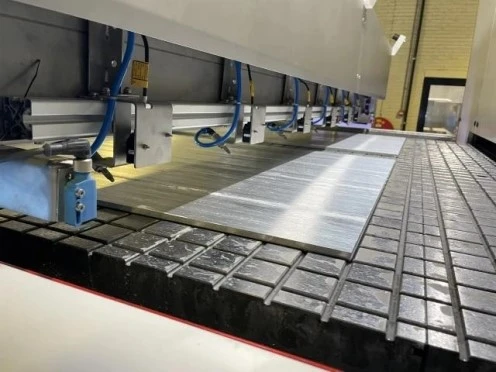
| Ground | Surface irregularities reduced through grinding | Components requiring improved surface condition |
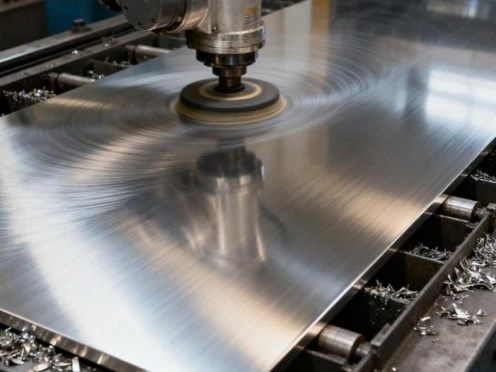
| Polished | Smoother surface produced by polishing | Special equipment and surface-sensitive applications |
The required finish should be specified together with plate thickness, dimensional tolerance and intended fabrication process.
Applications of UNS R52400 Titanium Plate
Grade 7 titanium plate is mainly used in industrial environments where improved corrosion resistance is more important than high structural strength.
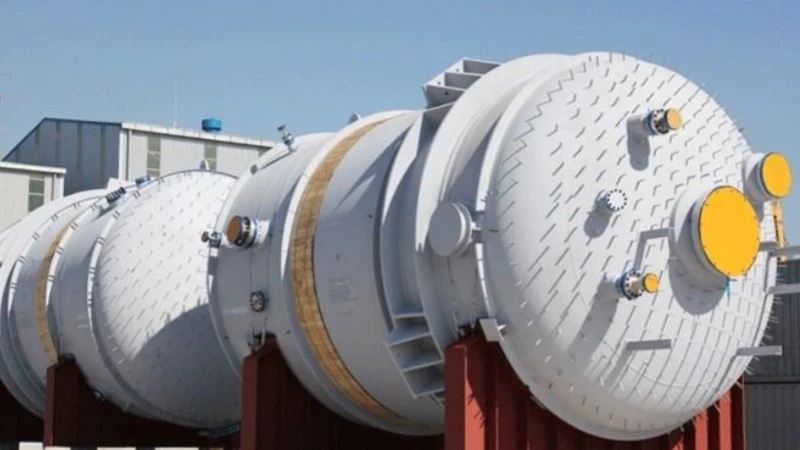
Chemical Processing
Chemical reactor linings
Reaction vessel plates
Chemical storage tank components
Corrosion-resistant equipment panels
Common Grades: Grade 2, Grade 7, Grade 12
Grade 7 is considered when chemical media create more demanding corrosion conditions than those suitable for standard commercially pure titanium.
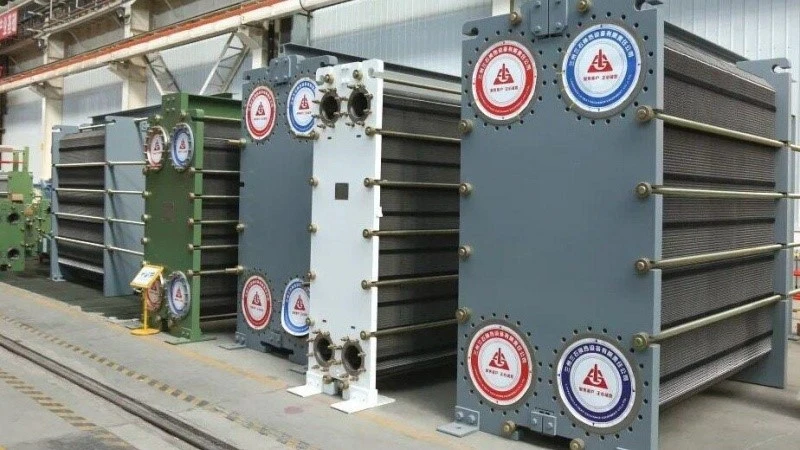
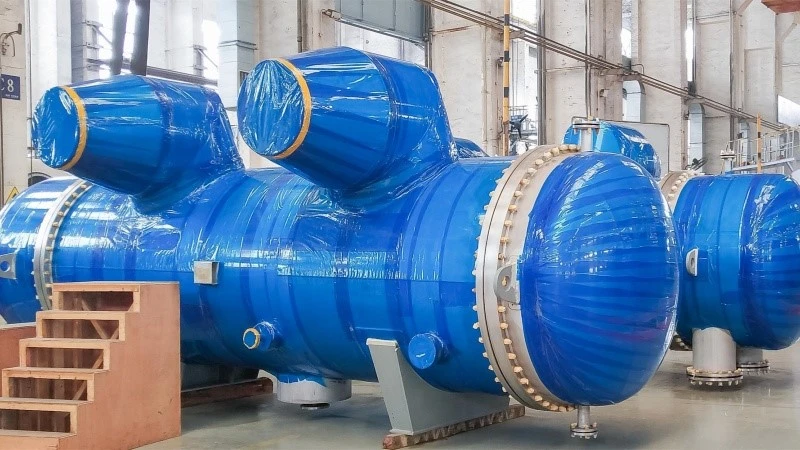
Heat Exchangers
Heat exchanger tube sheets
Channel covers
Heat exchanger plates
Internal equipment components
Common Grades: Grade 2, Grade 7, Grade 12
Grade 7 can be selected for heat exchanger components exposed to corrosive process fluids, particularly when localized corrosion resistance is an important consideration.
Seawater and Desalination Equipment
Evaporator components
Condenser components
Seawater equipment plates
Desalination system linings
Common Grades: Grade 2, Grade 7, Grade 12
Grade 7 offers excellent resistance to many chloride-containing environments. The final grade selection should account for seawater temperature, deposits, crevices and equipment design.
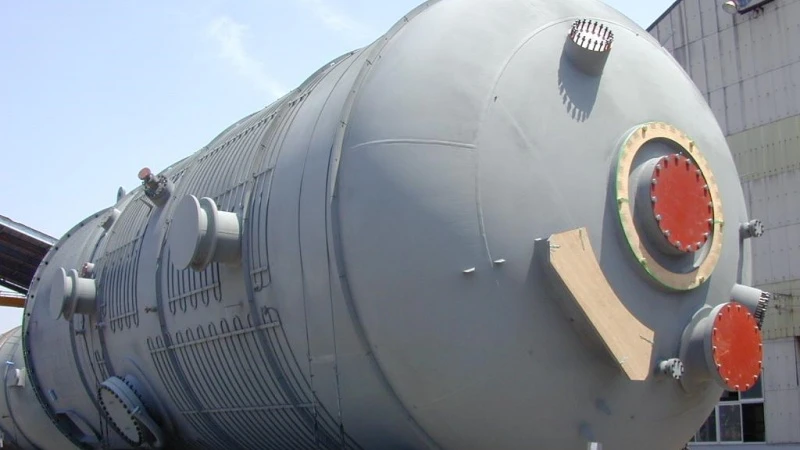
Corrosion-Resistant Industrial Equipment
Pump and valve components
Equipment lining plates
Chemical process vessel parts
Corrosion-resistant structural panels
Common Grades: Grade 2, Grade 7, Grade 12
Grade 7 is worth considering when the operating medium requires greater corrosion resistance than standard commercially pure titanium can provide.
Grade 7 vs Grade 2 vs Grade 12 Titanium Plate
Grade 2, Grade 7 and Grade 12 are all used in industrial corrosion-resistant applications, but their alloy compositions and performance characteristics differ.
| Comparison | Grade 2 | Grade 7 | Grade 12 |
|---|---|---|---|
| UNS | R50400 | R52400 | R53400 |
| Main Composition | Commercially Pure Ti | Ti + 0.12–0.25% Pd | Ti + 0.3% Mo + 0.8% Ni |
| Strength | Moderate | Similar to Grade 2 | Generally higher than Grade 2 |
| Corrosion Resistance | Excellent in many oxidizing environments | Enhanced in selected reducing environments | Good in various chemical environments |
| Crevice Corrosion Resistance | Good under suitable conditions | Improved by palladium addition | Good under suitable conditions |
| Typical Applications | General chemical equipment | More demanding chemical processing environments | Heat exchangers and chemical equipment |
When Should You Choose Grade 7 Instead of Grade 2?
Choose Grade 7 when the service environment requires improved resistance to reducing acids or localized corrosion and Grade 2 does not provide sufficient corrosion performance.
For general applications where Grade 2 already meets the corrosion requirements, the additional palladium in Grade 7 may not provide enough practical benefit to justify the higher material cost.
Grade 7 or Grade 12: Which Is Better?
The choice depends on the process medium and mechanical requirements.
Choose Grade 7 when enhanced corrosion resistance in selected reducing acid environments is the main requirement.
Choose Grade 12 when its molybdenum-nickel alloy composition and mechanical properties better match the operating conditions.
Compare actual corrosion data and design requirements rather than selecting a grade based only on its alloy content.
Manufacturing Process of Ti-0.12–0.25Pd Titanium Plate
Grade 7 titanium plate manufacturing involves careful alloy preparation, rolling, heat treatment and surface processing.
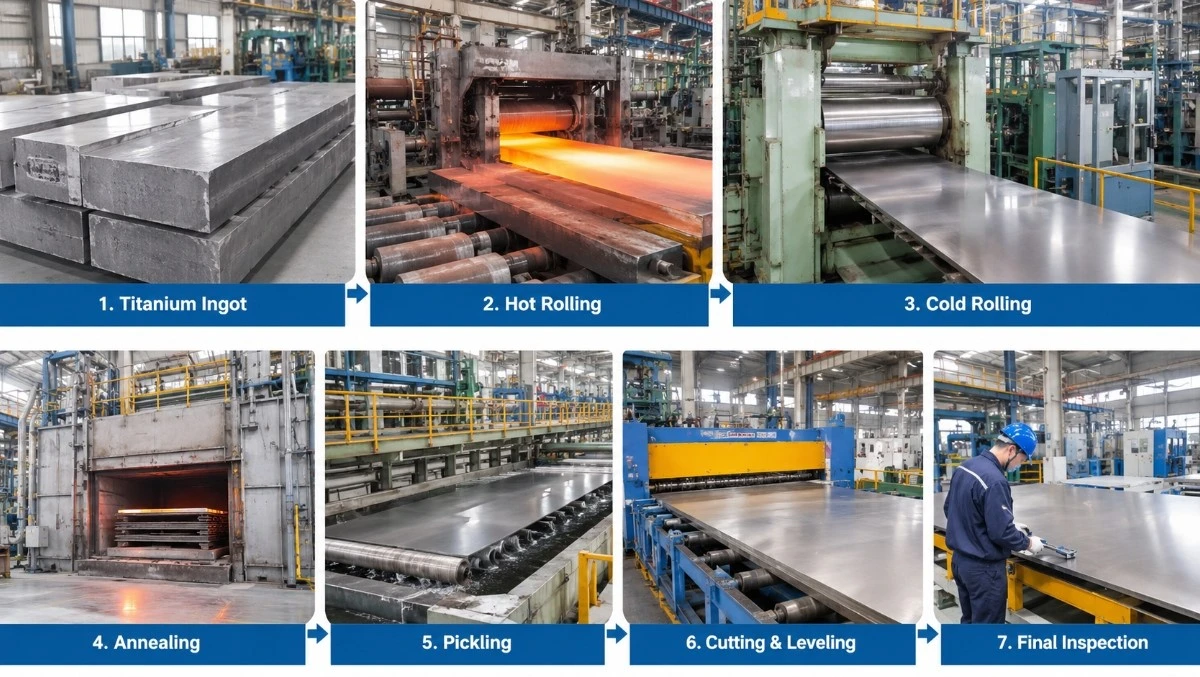
1. Titanium Ingot Preparation
Titanium raw materials and palladium are prepared according to the required Grade 7 composition. The alloy is melted and processed into titanium ingots.
2. Ingot Forging and Breakdown
The ingot is heated and forged or broken down into intermediate slabs suitable for subsequent rolling.
3. Hot Rolling
The titanium slab is heated and rolled to reduce its thickness and produce the required plate dimensions.
4. Cold Rolling
Where thinner gauges and improved dimensional control are required, additional cold rolling can be performed.
5. Annealing
Annealing helps relieve processing stresses and restore suitable material properties. ASTM B265 covers annealed titanium and titanium alloy strip, sheet and plate.
6. Pickling and Surface Treatment
Surface oxide scale is removed through pickling or other suitable finishing processes. Additional grinding or machining may be carried out when required.
7. Cutting and Final Inspection
The plate is cut to the ordered dimensions and inspected for chemical composition, mechanical properties, dimensional accuracy and surface quality.
Quality Inspection and Testing of Ti-0.12–0.25Pd Plate
For industrial buyers, material verification is essential, particularly when Grade 7 is selected for corrosive service.
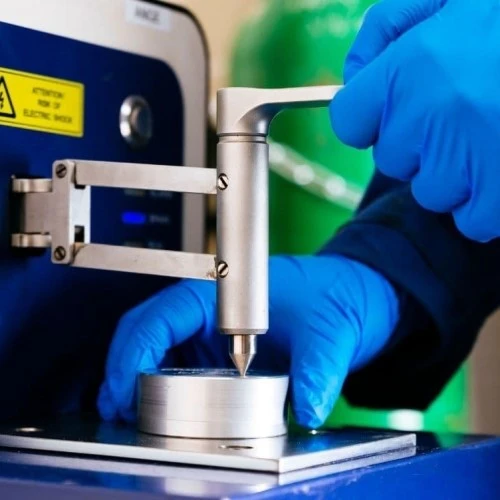
Chemical Analysis
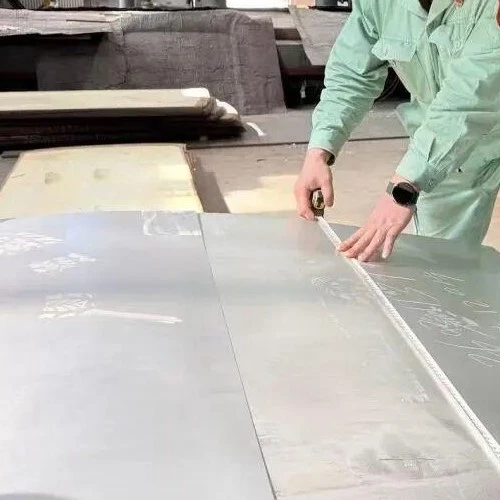
Dimensional Inspection
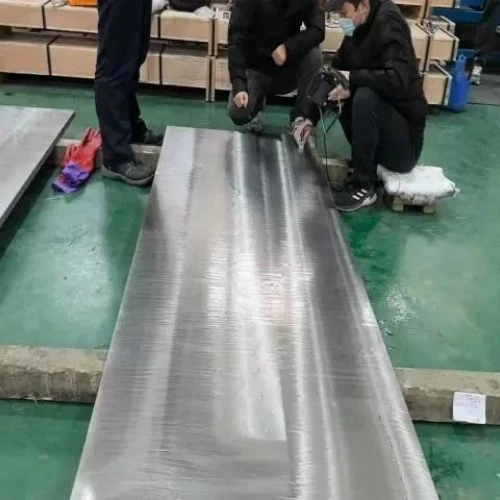
Surface Inspection
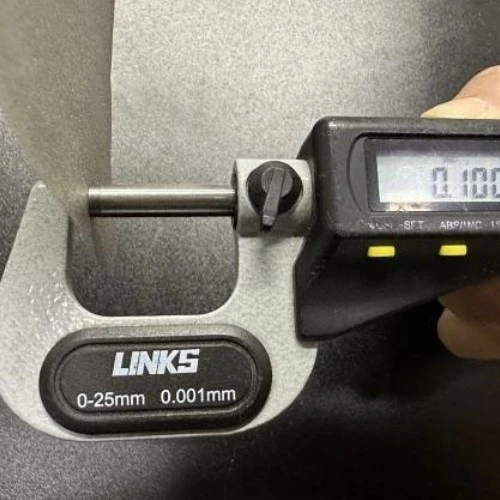
Thickness Tolerance
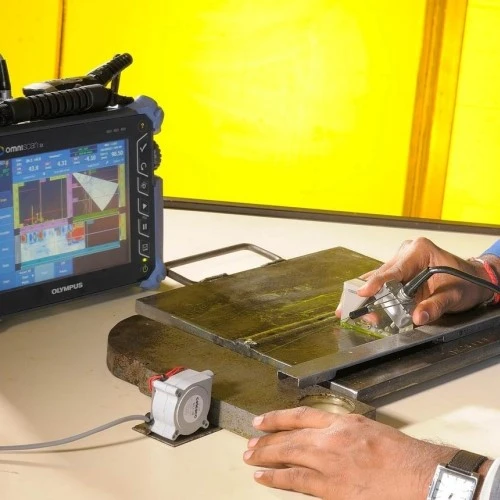
Ultrasonic Testing
| Inspection Item | Inspection Details |
|---|---|
| Chemical Composition | Verify titanium, palladium and impurity contents |
| Tensile Testing | Check tensile strength, yield strength and elongation |
| Dimensional Inspection | Measure thickness, width, length and dimensional tolerances |
| Surface Inspection | Check scratches, cracks, scale and visible defects |
| Ultrasonic Testing | Internal defect inspection when specified |
| Material Identification | Verify grade, heat number and product identification |
| Documentation | Mill Test Certificate and agreed inspection records |
Request Grade 7 Material Test Documents
Packaging and Delivery
Proper packaging helps protect titanium plates from surface damage, contamination and handling impacts during international transportation.
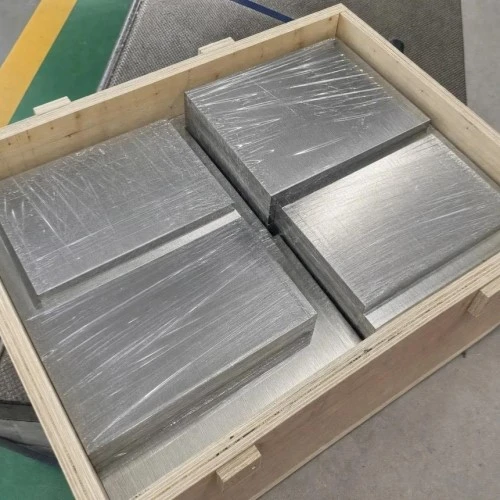
Titanium Plates Stacked Inside Wooden Crates
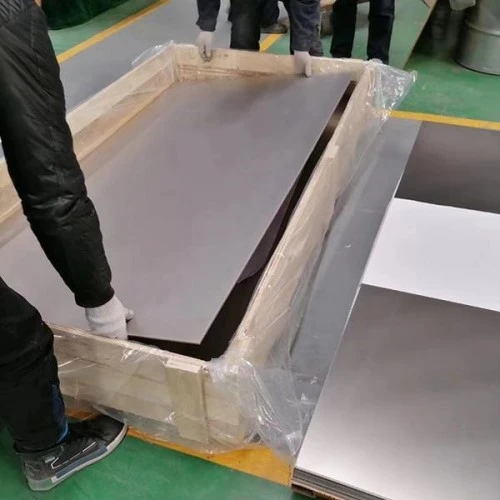
Protective Packaging for Titanium Plates Inside Wooden Crates
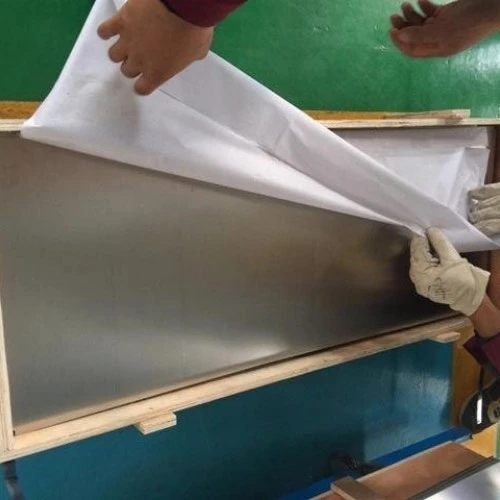
Titanium Plates Wrapped with Protective Paper
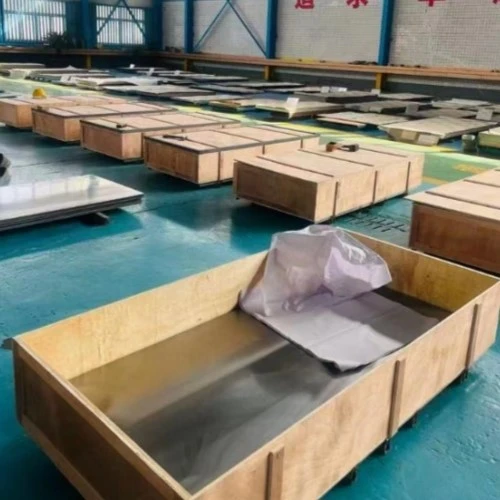
Titanium Plates Stored in Wooden Crates
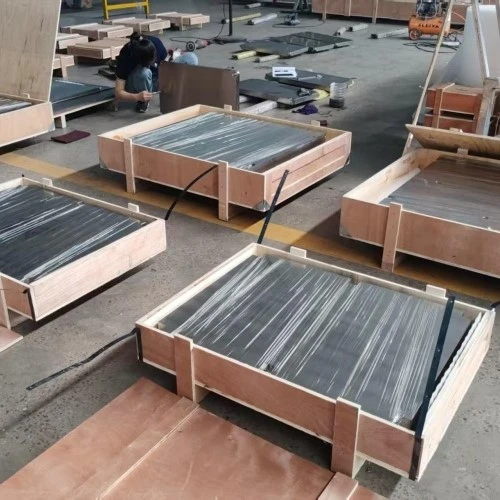
Titanium Plates Packed into Wooden Export Crates
Surface Protection: Protective paper or film can be used between plates where appropriate.
Plate Stacking: Plates are stacked carefully to reduce scratching and deformation.
Export Packaging: Wooden cases or export-grade crates are used for overseas shipments.
Product Identification: Package labels can include grade, dimensions, quantity and heat number.
Shipping Documents: Commercial Invoice, Packing List and material certificates can be prepared according to the order requirements.
For quotation and delivery planning, buyers should provide the required plate dimensions, total quantity, destination port and documentation requirements.
FAQ
Q: 1. What is Grade 7 titanium plate?
A: Grade 7 titanium plate is a palladium-enhanced commercially pure titanium product with UNS designation R52400. It is covered by ASTM B265 and is known for improved corrosion resistance in selected chemical environments.
Q: 2. What is the difference between Grade 2 and Grade 7 titanium?
A: The main difference is the addition of 0.12–0.25% palladium in Grade 7. This improves corrosion resistance in certain reducing acid and localized corrosion conditions, while its mechanical properties remain broadly similar to Grade 2.
Q: 3. Is Grade 7 titanium resistant to hydrochloric acid?
A: Grade 7 offers better resistance than commercially pure titanium in certain hydrochloric acid conditions. However, suitability depends on acid concentration, temperature, impurities and other operating factors. Corrosion data should be reviewed before material selection.
Q: 4. Is Grade 7 titanium suitable for seawater applications?
A: Yes. Grade 7 has excellent resistance to many chloride-containing environments, including seawater and brine. Actual suitability depends on temperature, flow conditions, deposits and crevice geometry.
Q: 5. What is the ASTM standard for Grade 7 titanium plate?
A: The main product standard is ASTM B265, which covers titanium and titanium alloy strip, sheet and plate, including Grade 7 (UNS R52400).
Q: 6. Can Grade 7 titanium plate be welded?
A: Yes. Grade 7 has welding and fabrication characteristics broadly similar to Grade 2. Proper joint preparation, shielding gas protection and welding procedures are important to prevent contamination and maintain corrosion performance.
Q: 7. What is the density of Grade 7 titanium plate?
A: The typical density of Grade 7 titanium is approximately 4.51 g/cm³, similar to commercially pure Grade 2 titanium.
Q: 8. What documents can be supplied with Grade 7 titanium plate?
A: Typical documentation includes a Mill Test Certificate showing chemical composition and mechanical test results. EN 10204 3.1 documentation and additional inspection reports can be arranged when specified in the purchase order.
Request a Quote for Grade 7 Titanium Plate
If you are sourcing Grade 7 titanium plate for chemical processing equipment, heat exchangers or other corrosion-resistant industrial applications, send us your material and dimensional requirements.
To help us prepare an accurate quotation, please include:
Grade: Grade 7 / UNS R52400
Standard: ASTM B265
Dimensions: Thickness × Width × Length
Quantity: Pieces or total weight
Surface Condition: Hot rolled, pickled, machined or other required finish
Application: Equipment type and operating environment
Documentation: MTC, EN 10204 3.1 or additional inspection requirements
Destination: Country or port of delivery
We can review your requirements and provide material information, available supply options and a quotation based on your project specifications.
Hot Tags: grade 7 titanium plate, China grade 7 titanium plate manufacturers, suppliers, factory, titanium, 4mm Titanium Sheet, 6Al 4V Industrial Titanium Sheet, Gr2 Industrial Titanium Sheet, Gr5 pure titanium sheet, pure Gr23 titanium sheet, Titanium Metal Sheet


