


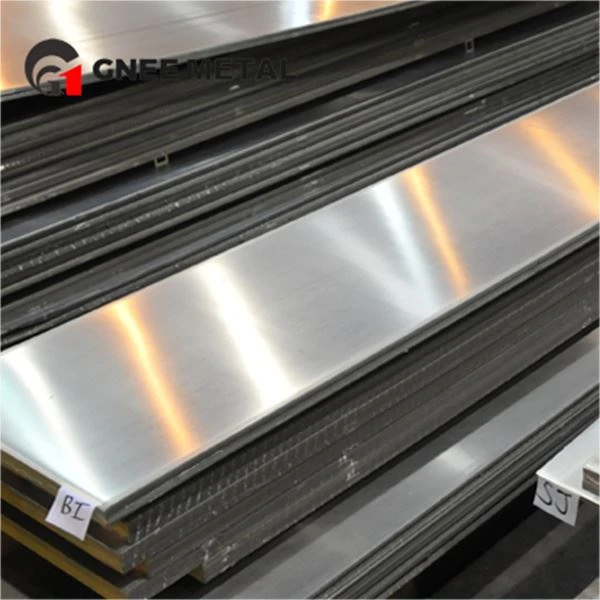
Grade 9 Titanium Plate
Ti-3Al-2.5V alloy composition
High strength-to-weight ratio
Good cold-forming performance
Excellent corrosion resistance
Good weldability
Suitable for machining and fabrication
Description
What is a Grade 9 titanium plate?
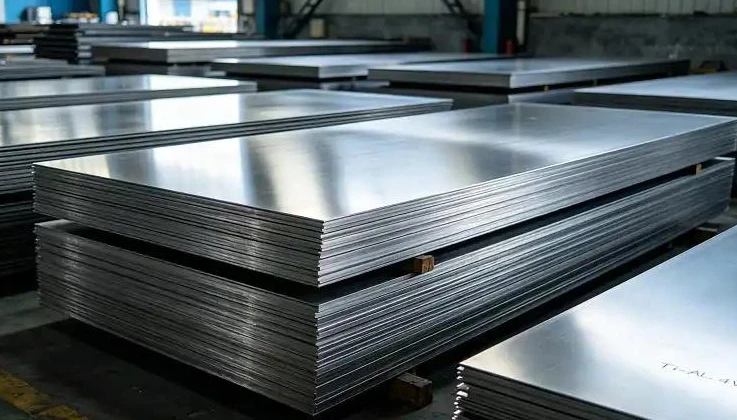
Grade 9 Titanium Plate, also known as Ti-3Al-2.5V Titanium Plate, is an alpha-beta titanium alloy that combines relatively high strength, low density, good corrosion resistance, and excellent cold-forming capability.
Compared with commercially pure titanium grades, Grade 9 offers higher mechanical strength. Compared with Grade 5 (Ti-6Al-4V), it provides better cold-working and forming characteristics, making it suitable for applications requiring a balance between structural strength and fabrication flexibility.
Our Grade 9 titanium plates are manufactured according to ASTM B265 requirements and can be supplied in different thicknesses, dimensions, and surface conditions.

Request Grade 9 Titanium Plate
Ti-3Al-2.5V Titanium Plate Specifications
Grade 9 titanium plate is supplied in different dimensions and surface conditions according to application requirements. Thickness, width, length, and delivery condition are important considerations when selecting material for further processing.
|
Parameter |
Specification |
|---|---|
|
Product Name |
Grade 9 Titanium Plate |
|
Material Grade |
Grade 9 |
|
Alloy Designation |
Ti-3Al-2.5V |
|
UNS Number |
R56320 |
|
Material Type |
Alpha-Beta Titanium Alloy |
|
Standard |
ASTM B265 |
|
Thickness |
0.5–50 mm |
|
Width |
500–2000 mm |
|
Length |
1000–6000 mm |
|
Delivery Condition |
Annealed |
|
Surface Finish |
Pickled, Bright, Machined |
|
Processing |
Cutting, Leveling, Bending, CNC Machining |
|
Inspection |
Chemical Analysis, Tensile Test, Dimensional Inspection, UT |
Chemical Composition of Ti-3Al-2.5V
Grade 9 titanium contains aluminum and vanadium as its primary alloying elements. Aluminum contributes to alloy strength, while vanadium helps stabilize the beta phase and supports the alloy's mechanical properties.
|
Element |
Chemical Composition (wt. %) |
|---|---|
|
Titanium (Ti) |
Balance |
|
Aluminum (Al) |
2.50–3.50 |
|
Vanadium (V) |
2.00–3.00 |
|
Iron (Fe) |
≤ 0.25 |
|
Oxygen (O) |
≤ 0.15 |
|
Carbon (C) |
≤ 0.08 |
|
Nitrogen (N) |
≤ 0.03 |
|
Hydrogen (H) |
≤ 0.015 |
|
Other Elements (Each) |
≤ 0.10 |
|
Other Elements (Total) |
≤ 0.40 |
Composition requirements should be verified against the applicable ASTM B265 edition and the actual mill test certificate.
Mechanical Properties of Gr9 Titanium Plate
Grade 9 titanium offers higher strength than commercially pure titanium while retaining good ductility and forming capability.
|
Mechanical Property |
Minimum Requirement |
|---|---|
|
Tensile Strength |
620 MPa |
|
Yield Strength (0.2% Offset) |
483 MPa |
|
Elongation |
15% |
Understanding the Mechanical Properties:
Tensile Strength: Indicates the maximum tensile stress the material can withstand before failure.
Yield Strength: Represents the stress at which permanent deformation begins.
Elongation: Measures the material's ability to undergo plastic deformation before fracture.
These are commonly referenced annealed Grade 9 values. Acceptance requirements must be checked against the applicable plate thickness and ASTM specification.
Physical Properties of Ti-3Al-2.5V Grade 9
|
Physical Property |
Typical Value |
|---|---|
|
Density |
4.48 g/cm³ |
|
Elastic Modulus |
100–105 GPa |
|
Thermal Conductivity |
Approx. 8.0 W/(m·K) |
|
Electrical Resistivity |
Approx. 1.7 μΩ·m |
|
Poisson's Ratio |
Approx. 0.30 |
|
Melting Range |
Approx. 1660–1680°C |
These are typical reference values and may vary slightly with material condition and measurement method.
Key Properties and Advantages of Gr9 Titanium
High Strength-to-Weight Ratio
Grade 9 provides higher strength than commercially pure titanium while maintaining low density. This helps reduce component weight without sacrificing necessary structural strength.
Excellent Corrosion Resistance
Grade 9 forms a stable protective oxide film, providing resistance to seawater, moisture, and many industrial corrosive environments.
Good Cold Formability
Compared with Grade 5, Grade 9 offers better cold-working and forming characteristics, especially when supplied in the annealed condition.
Good Weldability
Grade 9 can be welded using qualified TIG and other suitable titanium welding processes. Proper inert gas shielding is essential to prevent contamination.
Good Fatigue Performance
Its combination of strength and ductility makes Grade 9 suitable for components exposed to repeated loading, subject to design, surface condition, and manufacturing quality.
Good Machining Capability
Grade 9 can be processed through CNC milling, drilling, cutting, and other machining operations using suitable tools, cutting speeds, and cooling conditions.
Why Choose Grade 9 Titanium Instead of Grade 5?
Grade 9 and Grade 5 are both alpha-beta titanium alloys, but they offer different combinations of strength and formability. Grade 9 is often selected when manufacturers need good mechanical strength together with greater cold-forming flexibility.
Grade 9 vs Grade 5: Technical Comparison
|
Comparison |
Grade 9 |
Grade 5 |
|---|---|---|
|
Alloy Designation |
Ti-3Al-2.5V |
Ti-6Al-4V |
|
UNS Number |
R56320 |
R56400 |
|
Alloy Type |
Alpha-Beta |
Alpha-Beta |
|
Aluminum Content |
2.5–3.5% |
5.5–6.75% |
|
Vanadium Content |
2.0–3.0% |
3.5–4.5% |
|
Tensile Strength |
620 MPa min. |
895 MPa min. |
|
Yield Strength |
483 MPa min. |
828 MPa min. |
|
Density |
Approx. 4.48 g/cm³ |
Approx. 4.43 g/cm³ |
|
Cold Formability |
Good |
More Limited |
|
Main Advantage |
Strength and forming balance |
Higher strength |
When Should You Choose Grade 9?
Choose Grade 9 Titanium Plate when:
Your components require a combination of strength and good formability.
Cold bending, rolling, or other forming operations are part of the manufacturing process.
Weight reduction is important in the final product.
You need a titanium alloy suitable for welding and further fabrication.
When Is Grade 5 More Suitable?
Grade 5 Titanium Plate is generally more suitable when:
Higher tensile and yield strength are the main priorities.
Components are subject to demanding structural loads.
The manufacturing process can accommodate its more demanding forming characteristics.
Cold Forming and Fabrication of Grade 9 Titanium
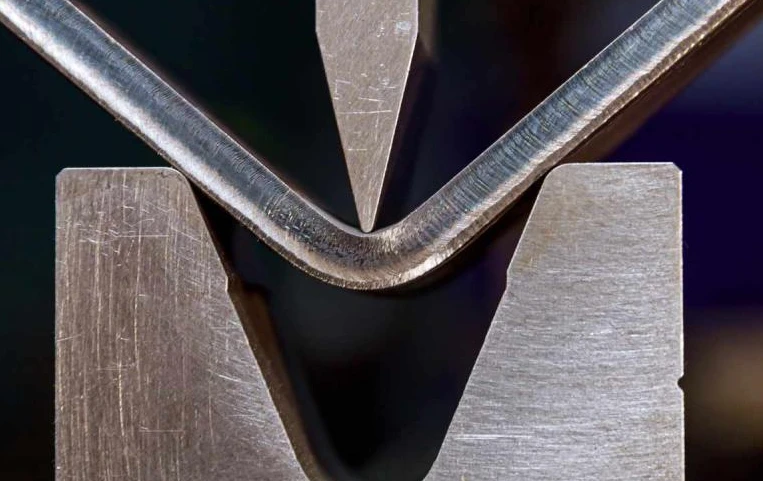
One of the major advantages of Grade 9 titanium is its good cold-working capability. Compared with Grade 5, its material characteristics make it more suitable for bending and forming operations.
This makes Grade 9 a useful option for manufacturers producing lightweight components with curved surfaces, formed profiles, and specific dimensional requirements.
Cold Bending Process for Titanium Alloy Plate
Common Processing Methods
|
Processing Method |
Description |
Typical Components |
|---|---|---|
|
Cold Bending |
Bending titanium plate at room temperature |
Brackets, formed panels |
|
Roll Forming |
Passing plate through rollers to produce curved profiles |
Cylindrical and curved components |
|
Press Forming |
Using dies and presses to form specific shapes |
Structural components |
|
Cutting |
Laser, waterjet, or mechanical cutting |
Plate blanks and precision parts |
|
TIG Welding |
Inert-gas-shielded welding |
Welded assemblies |
|
CNC Machining |
Milling, drilling, and precision machining |
Custom titanium components |
Important Considerations During Cold Forming
1. Material Condition
Grade 9 is generally formed in the annealed condition. Its actual forming performance depends on thickness, grain structure, mechanical properties, and previous processing history.
2. Springback Control
Titanium alloys exhibit elastic springback after bending. Tooling and bending angles should be adjusted according to the material thickness and required final geometry.
3. Bend Radius
The minimum bending radius depends on plate thickness, material condition, grain direction, and forming method. A suitable radius should be established through engineering calculations or forming trials.
4. Intermediate Stress Relief
Severe cold forming can introduce residual stresses. Intermediate stress relief may be considered for demanding forming operations, following an appropriate heat-treatment procedure.
5. Surface Protection
Titanium plates should be protected against scratches, embedded iron contamination, and other surface damage during handling and forming.
Grade 9 vs Grade 5 in Cold Forming
|
Processing Factor |
Grade 9 |
Grade 5 |
|---|---|---|
|
Room-Temperature Forming |
More Suitable |
More Difficult |
|
Bending Operations |
Good |
Requires More Care |
|
Complex Forming |
Better Forming Flexibility |
More Restrictive |
|
Springback |
Requires Compensation |
Requires Compensation |
|
Forming Cracking Risk |
Depends on Radius and Condition |
Depends on Radius and Condition |
TIG Welding and Fabrication of Grade 9 Titanium Plate

Send Your Titanium Plate Drawings
Applications of Ti-3Al-2.5V Titanium Plate
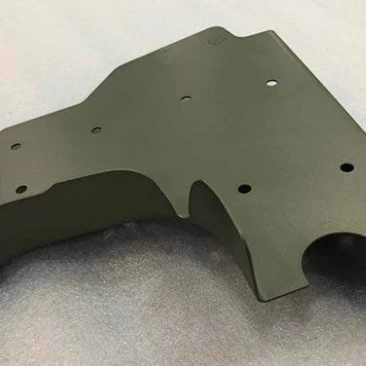
Aerospace Components
Lightweight formed structural panels
Aircraft interior structural components
Precision sheet-metal parts
Key requirements: Lightweight construction, strength, and forming flexibility.
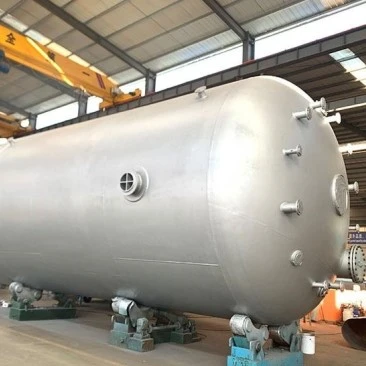
Pressure Vessels & Process Equipment
Pressure vessel components
Fabricated equipment panels
Corrosion-resistant process equipment parts
Key requirements: Mechanical strength, corrosion resistance, and fabrication capability.
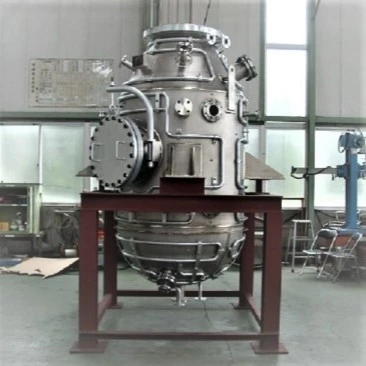
Chemical Processing Equipment
Chemical equipment components
Corrosion-resistant vessel parts
Fabricated titanium equipment panels
Key requirements: Corrosion resistance and reliable fabrication.
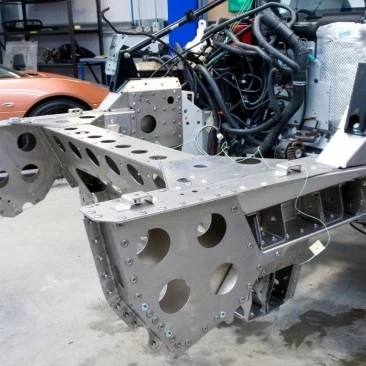
Automotive & Motorsport Components
Lightweight formed components
Custom titanium brackets
Specialty structural panels
Key requirements: Weight reduction, strength, and custom fabrication.
Manufacturing Process of Grade 9 Titanium Plate
The production of Grade 9 titanium plate involves several controlled manufacturing stages to achieve the required chemical composition, mechanical properties, dimensions, and surface quality.
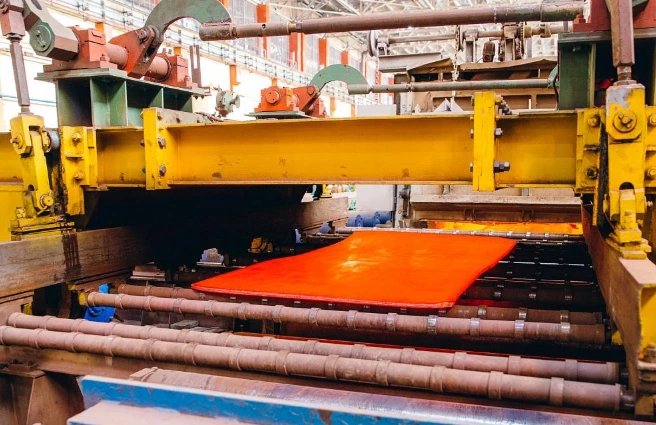
Hot Rolling Process of Titanium Alloy Plate
Melting and Alloying: Titanium and alloying elements are melted under controlled conditions.
Ingot Preparation: The alloy is processed into ingots for subsequent working.
Hot Rolling: The ingot is heated and rolled into slabs or intermediate plate products.
Cold Rolling: Additional rolling is performed to achieve the required thickness and surface finish.
Annealing: Heat treatment is applied to obtain the specified material condition and mechanical properties.
Pickling and Surface Treatment: Surface oxides and contamination are removed through suitable treatment processes.
Cutting and Leveling: Plates are cut and leveled to the required dimensions.
Final Inspection: Chemical, mechanical, dimensional, and surface inspections are performed.
Quality Inspection and Testing
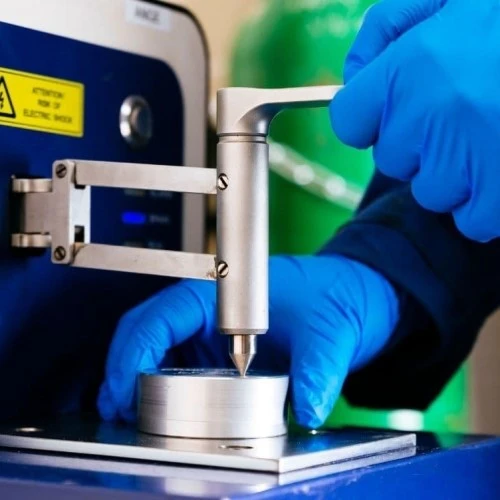
Chemical Analysis
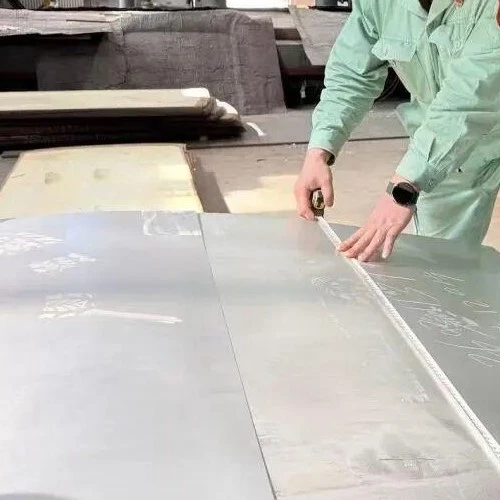
Dimensional Inspection
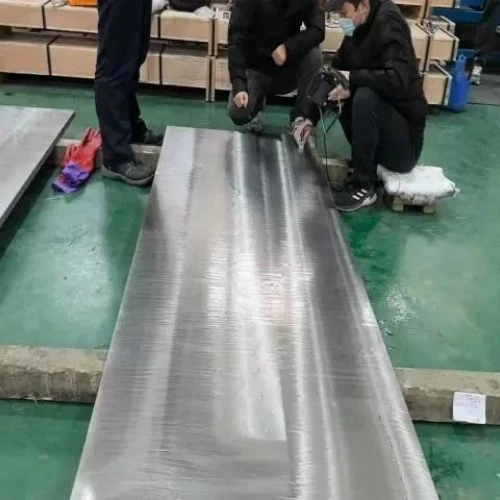
Surface Inspection
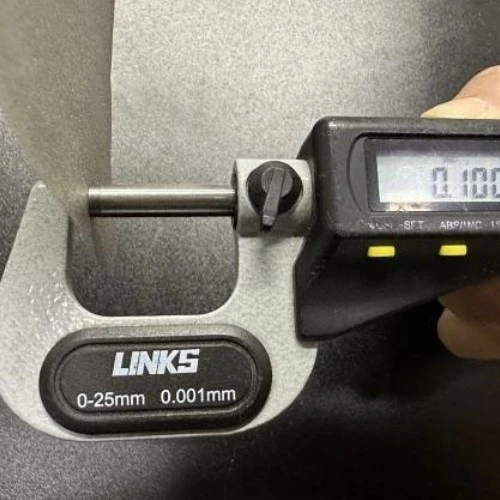
Thickness Tolerance
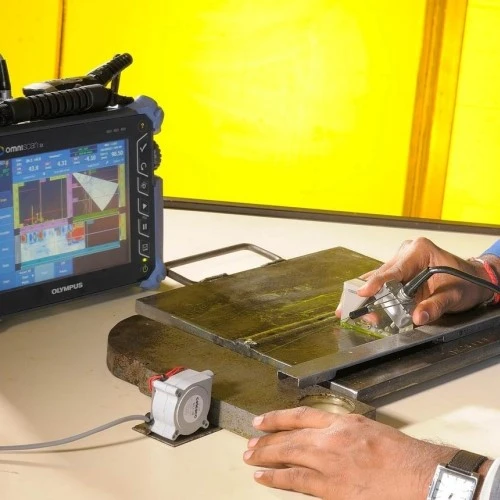
Ultrasonic Testing
|
Inspection Item |
Testing Purpose |
|---|---|
|
Chemical Composition Analysis |
Verify Ti, Al, V, and impurity content |
|
Tensile Test |
Measure tensile and yield strength |
|
Elongation Test |
Evaluate material ductility |
|
Bend Test |
Assess bending performance when specified |
|
Hardness Test |
Check material hardness |
|
Ultrasonic Testing (UT) |
Detect internal discontinuities when required |
|
Surface Inspection |
Identify scratches, cracks, and surface defects |
|
Dimensional Inspection |
Verify thickness, width, and length |
|
Microstructure Examination |
Evaluate metallurgical structure when specified |
Packaging and Delivery
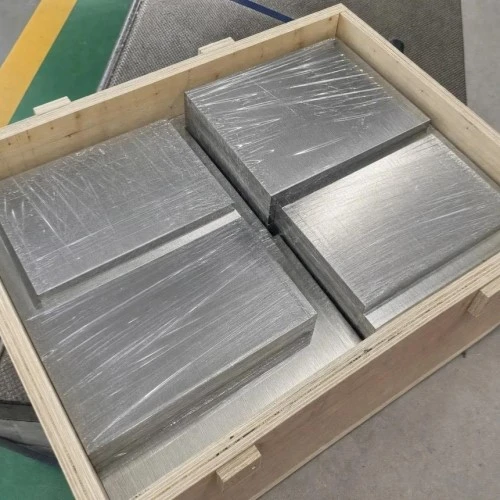
Titanium Plates Stacked Inside Wooden Crates
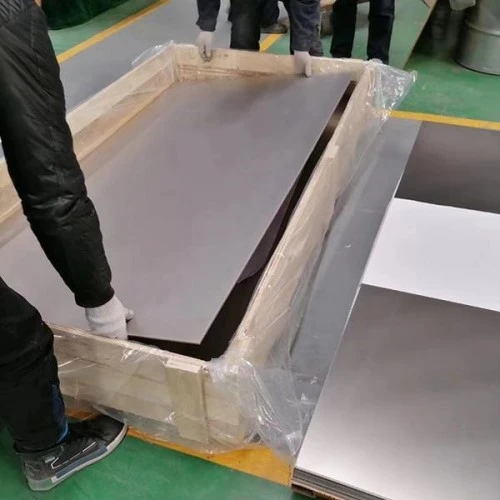
Protective Packaging for Titanium Plates Inside Wooden Crates
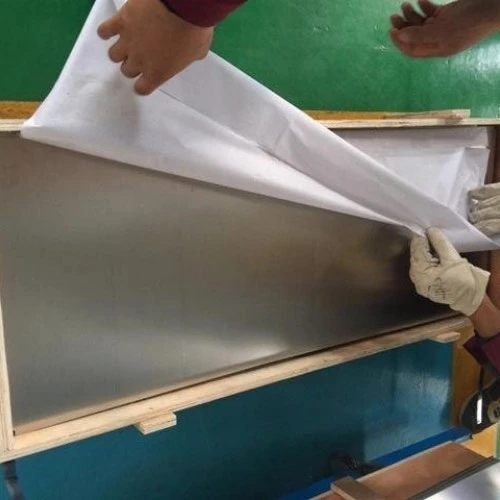
Titanium Plates Wrapped with Protective Paper
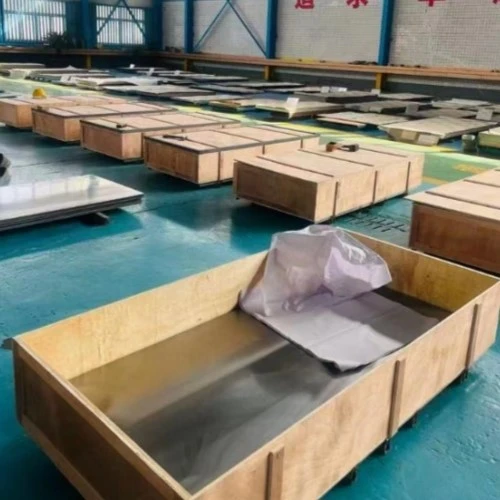
Titanium Plates Stored in Wooden Crates
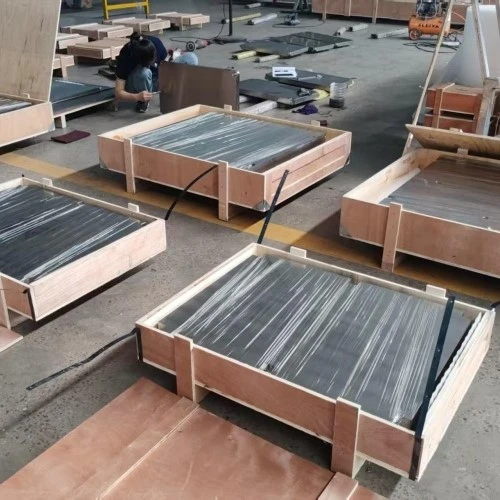
Titanium Plates Packed into Wooden Export Crates
Protective Interleaving: Paper or plastic film between titanium plates to prevent surface scratches.
Waterproof Wrapping: Plastic or moisture-resistant materials to protect products during transportation.
Edge Protection: Protective materials for plate edges and corners.
Wooden Export Cases: Strong wooden cases suitable for international shipping.
Shipping Marks: Product labels showing grade, dimensions, quantity, and order identification.
FAQ
Q: What is Grade 9 Titanium Plate?
A: Grade 9 Titanium Plate is an alpha-beta titanium alloy made primarily of titanium, 3% aluminum, and 2.5% vanadium. Its UNS designation is R56320, and its principal plate specification is ASTM B265.
Q: Is Grade 9 Titanium stronger than Grade 2?
A: Yes. Grade 9 generally has higher tensile and yield strength than commercially pure Grade 2 titanium, while maintaining good formability and corrosion resistance.
Q: What is the difference between Grade 9 and Grade 5 Titanium?
A: Grade 5 provides higher tensile and yield strength, while Grade 9 offers better cold-forming characteristics. Grade 9 is often selected when forming flexibility is important.
Q: Can Grade 9 Titanium Plate be cold bent?
A: Yes. Grade 9 can be cold bent, particularly in the annealed condition. The minimum bend radius depends on material thickness, condition, and forming direction.
Q: Is Grade 9 Titanium suitable for welding?
A: Yes. Grade 9 can be welded using suitable titanium welding procedures. TIG welding with proper inert gas shielding is commonly used.
Q: What is the standard for Grade 9 Titanium Plate?
A: ASTM B265 is the principal specification covering Grade 9 titanium plate, sheet, and strip.
Q: What is the density of Grade 9 Titanium?
A: The typical density is approximately 4.48 g/cm³, making it a lightweight alternative to many conventional structural metals.
Q: What is the difference between Grade 9 Titanium Plate and Grade 9 Titanium Tube?
A: Both use Ti-3Al-2.5V alloy, but they have different product forms, manufacturing processes, dimensional requirements, and applicable ASTM standards. Plate products are covered by ASTM B265, while titanium tubes may be covered by ASTM B338 or ASTM B861 depending on the tube type.
Send us your Grade 9 Titanium Plate specifications or drawings to receive a quotation.
Hot Tags: grade 9 titanium plate, China grade 9 titanium plate manufacturers, suppliers, factory, titanium, ASTM B265 Titanium Plate, Gr1 pure titanium sheet, Gr12 Industrial Titanium Sheet, Gr12 pure titanium plate, marine titanium plate, Titanium Gr7 Sheet Metal


