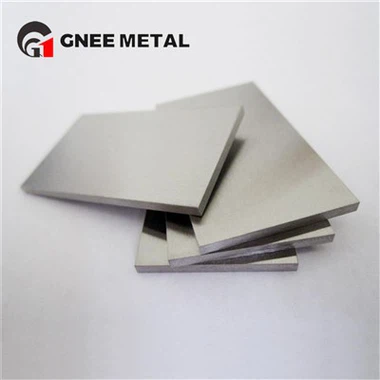

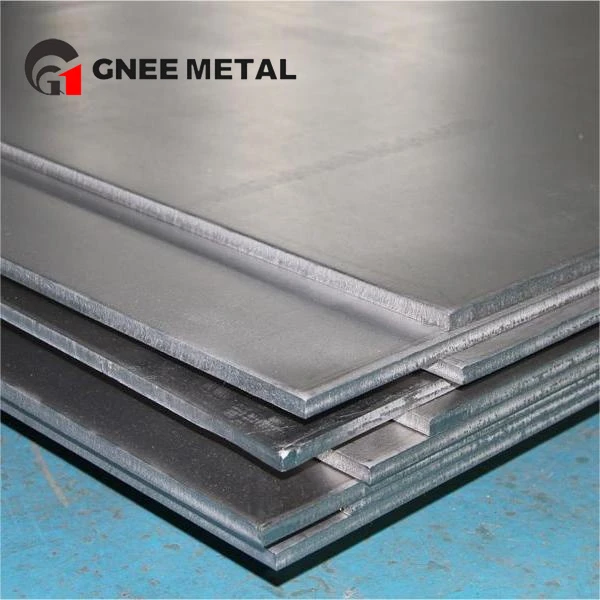
Grade 1 Titanium Plate
Material Grade: Grade 1 Titanium (GR1), Commercially Pure Titanium
UNS Number: R50250
Applicable Standard: ASTM B265
Thickness Range: 0.4–30 mm
Width: 500–1500 mm
Length: 1000–6000 mm
Density: 4.51 g/cm³
Surface Finishes: Pickled, hot-rolled, cold-rolled, polished
Description
What is a Grade 1 titanium plate?
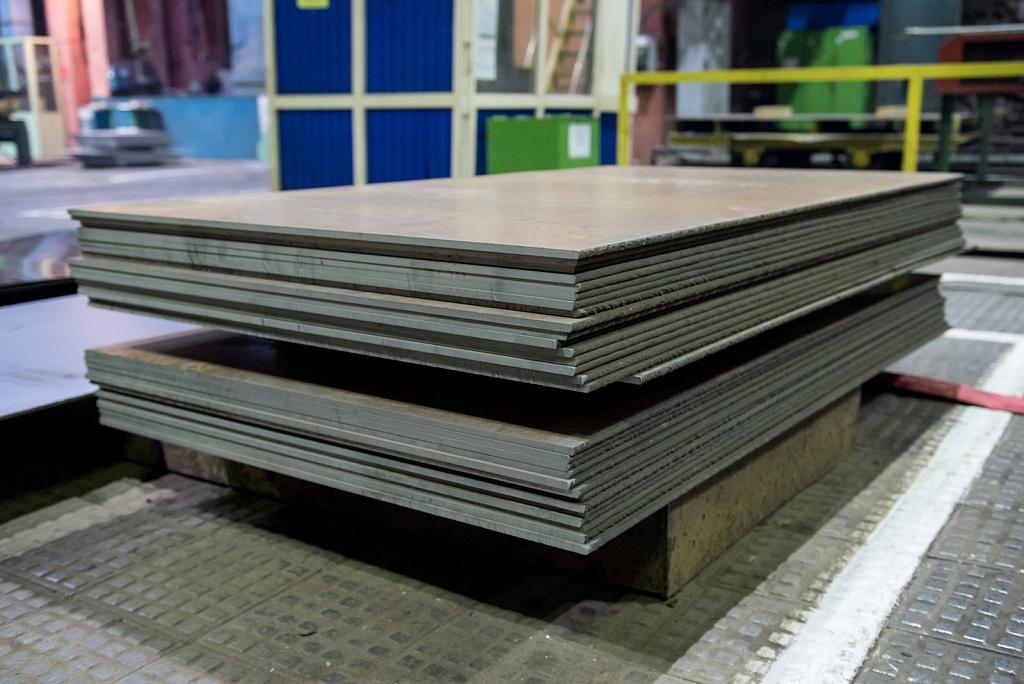
Grade 1 Titanium Plate, also known as GR1 Titanium Plate or UNS R50250 Titanium Plate, is a commercially pure titanium product with excellent corrosion resistance, high ductility and good cold-forming properties. It is manufactured in accordance with ASTM B265 and is widely used in chemical processing, seawater desalination, heat exchangers and industrial equipment.
As a titanium material supplier, we provide Grade 1 titanium plates and sheets for industrial fabrication and equipment manufacturing. Available processing options include hot rolling, cold rolling, annealing, pickling, grinding and precision cutting.

| Item | Specification |
|---|---|
| Product Name | Grade 1 Titanium Plate |
| Alternative Name | GR1 Titanium Plate |
| UNS Number | R50250 |
| Material Type | Commercially Pure Titanium |
| Standard | ASTM B265 |
| Density | 4.51 g/cm³ |
| Melting Range | Approximately 1,668–1,670°C |
| Supply Condition | Annealed |
| Surface Finish | Pickled / Ground / Polished |
| Product Forms | Plate / Sheet |
| Certification | EN 10204 3.1 Material Test Certificate |
Types of GR1 Titanium Plate

Hot Rolled GR1 Titanium Plate
Produced through high-temperature rolling, suitable for thicker plate applications, chemical equipment fabrication and industrial vessel components.

Cold Rolled GR1 Titanium Sheet
Offers better thickness control and surface uniformity, suitable for precision fabrication, stamping and bending applications.

Pickled GR1 Titanium Plate
Features a clean surface with oxide scale removed, suitable for corrosion-resistant equipment and further fabrication.
GR1 Titanium Plate Specifications
We supply Grade 1 titanium plates for industrial applications, with common order dimensions covering thin sheets and heavier plates.
Standard Dimensions
| Parameter | Typical Dimension Range |
|---|---|
| Thickness | 0.4–30 mm |
| Width | 500–1500 mm |
| Length | 1000–6000 mm |
| Density | 4.51 g/cm³ |
| Material Grade | Grade 1 / GR1 |
| UNS Number | R50250 |
| Standard | ASTM B265 |
| Processing | Hot Rolled / Cold Rolled |
| Delivery Condition | Annealed |
| Surface | Pickled / Ground / Polished |
| Edge | Mill Edge / Cut Edge |
Common GR1 Titanium Plate Sizes
| Thickness | Example Dimensions |
|---|---|
| 0.5 mm | 1000 × 2000 mm |
| 1.0 mm | 1000 × 2000 mm |
| 1.5 mm | 1000 × 2000 mm |
| 2.0 mm | 1000 × 2000 mm |
| 3.0 mm | 1000 × 2000 mm |
| 4.0 mm | 1000 × 2000 mm |
| 5.0 mm | 1000 × 2000 mm |
| 6.0 mm | 1000 × 2000 mm |
| 8.0 mm | 1000 × 2000 mm |
| 10 mm | 1000 × 2000 mm |
| 12 mm | 1000 × 2000 mm |
| 15 mm | 1000 × 2000 mm |
| 20 mm | 1000 × 2000 mm |
| 25 mm | 1000 × 2000 mm |
| 30 mm | 1000 × 2000 mm |
Plate vs. Sheet: Titanium sheet generally refers to thinner rolled products, while plate refers to thicker products. For procurement, always confirm the thickness, width, length and applicable ASTM product classification instead of relying on the product name alone.
Request a GR1 Titanium Plate Quote
Chemical Composition of Grade 1 Titanium
Grade 1 titanium is an unalloyed titanium grade. Its mechanical properties are strongly influenced by small amounts of interstitial elements, particularly oxygen, nitrogen and iron.
The chemical composition requirements under ASTM B265 include:
| Element | Chemical Composition (Max. %) |
|---|---|
| Nitrogen (N) | 0.03 |
| Carbon (C) | 0.08 |
| Hydrogen (H) | 0.015 |
| Iron (Fe) | 0.20 |
| Oxygen (O) | 0.18 |
| Other Individual Elements | 0.10 |
| Other Elements, Total | 0.40 |
| Titanium (Ti) | Balance |
Oxygen and iron content are particularly important when evaluating commercially pure titanium grades. Grade 1 has relatively low limits for these elements, contributing to its lower strength and better ductility compared with higher-strength commercially pure grades.
Mechanical Properties of GR1 Titanium Plate
Grade 1 titanium is selected when formability and ductility are more important than achieving high tensile strength.
| Mechanical Property | ASTM B265 Grade 1 Requirement |
|---|---|
| Tensile Strength | 240 MPa min. |
| Yield Strength (0.2% Offset) | 138 MPa min. |
| Elongation | 24% min. |
Key Properties of Grade 1 Titanium Plate
Excellent Corrosion Resistance
Grade 1 titanium forms a stable protective oxide film on its surface, providing excellent corrosion resistance in many oxidizing environments and chloride-containing media.
It is commonly considered for chemical processing equipment, seawater handling systems and corrosion-resistant industrial components.
01
High Ductility and Formability
Among commercially pure titanium grades, Grade 1 has the lowest oxygen limit and relatively low strength.
Its high ductility makes it particularly suitable for complex forming operations, including bending, stamping and deep drawing.
02
Good Weldability
Grade 1 titanium can be welded using suitable titanium welding procedures.
The welding area must be protected from oxygen, nitrogen and hydrogen contamination. Appropriate shielding gas coverage and clean welding surfaces are essential to prevent embrittlement and weld defects.
03
Low Density
With a density of approximately 4.51 g/cm³, titanium is significantly lighter than many common engineering metals.
This makes Grade 1 titanium an option for applications where corrosion resistance and reduced equipment weight are both important.
04
Surface Finishes of Grade 1 Titanium Plate
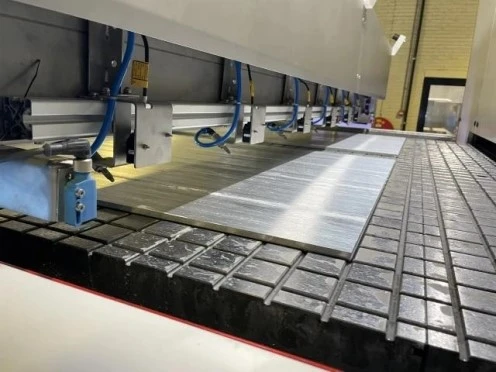
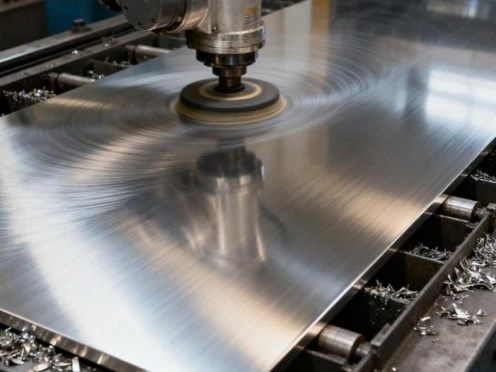
Surface condition affects the appearance, cleanliness and suitability of titanium plates for subsequent fabrication.
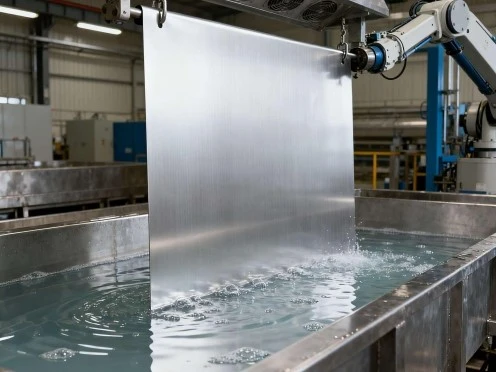
Pickled Titanium Plate
Ground Titanium Plate
Polished Titanium Plate
| Surface Finish | Characteristics | Typical Applications |
|---|---|---|
| Pickled | Removes oxide scale and surface contamination | Chemical equipment and industrial fabrication |
| Ground | More uniform surface with visible grinding marks | Precision fabrication |
| Polished | Smoother, more reflective surface | Appearance-sensitive components |
Pickled Titanium Plate
Pickling removes surface oxides and scale formed during hot processing or heat treatment. It is commonly selected for industrial fabrication where a clean titanium surface is required.
Ground Titanium Plate
Grinding improves surface uniformity and can help remove superficial irregularities. It is suitable when a more controlled surface condition is required before further processing.
Polished Titanium Plate
Polishing produces a smoother and more reflective surface. It is selected for components where surface appearance or surface finish requirements are important.
Applications of Grade 1 Titanium Plate
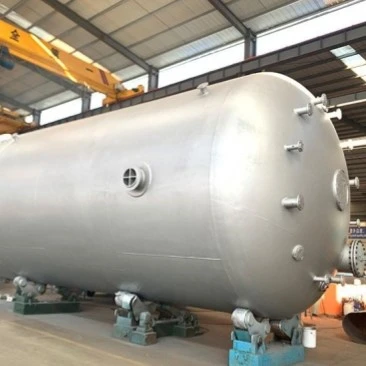
Chemical Processing
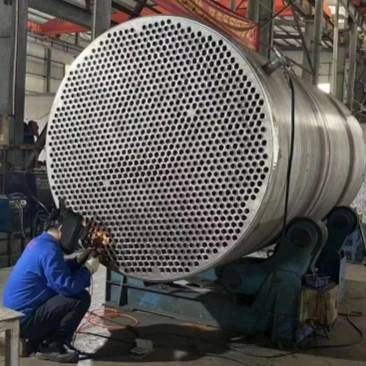
Heat Exchangers
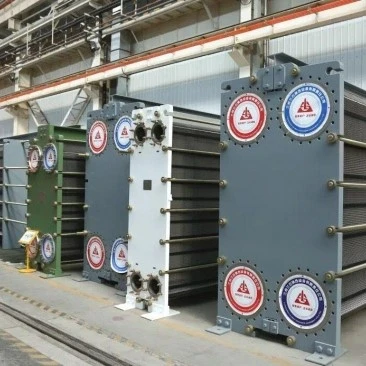
Seawater Desalination
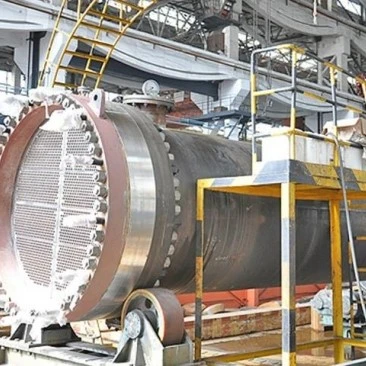
Marine Engineering
Discuss Your Titanium Plate Application
Heat Treatment of Grade 1 Titanium Plate
Heat treatment is an important part of titanium plate processing. It helps control the material condition after rolling, forming and other manufacturing operations.
Grade 1 titanium is generally supplied in the annealed condition under ASTM B265. Annealing helps restore ductility and reduce the effects of cold working.
Annealing of GR1 Titanium Plate
Annealing involves heating the titanium plate to a controlled temperature, holding it for an appropriate period and cooling it under specified conditions.
A typical commercially pure titanium annealing reference is:
| Parameter | Typical Reference |
|---|---|
| Annealing Temperature | 538–704°C |
| Holding Time | 0.5–2 hours |
| Cooling | Air Cooling |
| Main Purpose | Restore ductility and reduce cold-work effects |
The actual annealing schedule depends on plate thickness, previous processing history and the required material condition.
Stress Relief Annealing
Stress relief annealing is used to reduce residual stresses introduced during cold forming, welding or machining.
| Parameter | Typical Reference |
|---|---|
| Temperature | 538–593°C |
| Holding Time | Approximately 30 minutes |
| Cooling | Air Cooling |
| Main Purpose | Reduce residual stress |
Why Is Annealing Important?
Restores Ductility: Cold rolling and forming can cause work hardening. Annealing helps restore the material's ability to deform.
Reduces Residual Stress: Helps control stresses introduced during fabrication.
Improves Subsequent Forming: An appropriate annealed condition can improve the material's suitability for bending and forming operations.
Grade 1 vs. Grade 2 Titanium Plate
Grade 1 and Grade 2 are both commercially pure titanium grades covered by ASTM B265. The main difference is their strength and ductility.
| Comparison | Grade 1 | Grade 2 |
|---|---|---|
| UNS Number | R50250 | R50400 |
| Tensile Strength | 240 MPa min. | 345 MPa min. |
| Yield Strength | 138 MPa min. | 275 MPa min. |
| Elongation | 24% min. | 20% min. |
| Oxygen Limit | 0.18% max. | 0.25% max. |
| Strength | Lower | Higher |
| Ductility | Higher | Lower |
| Formability | Excellent | Very Good |
The values shown are typical ASTM B265 minimum mechanical requirements and maximum oxygen limits for the respective grades.
When Should You Choose Grade 1?
Choose Grade 1 titanium when:
The component requires high ductility and complex cold forming.
Deep drawing or extensive bending is involved.
Lower material strength is acceptable under the equipment design.
Corrosion resistance and formability are the main material selection priorities.
When Should You Choose Grade 2?
Choose Grade 2 titanium when:
Higher tensile and yield strength are required.
The component has more demanding mechanical loading conditions.
General industrial corrosion resistance and mechanical strength need to be balanced.
Important: Grade 1 and Grade 2 should not be treated as interchangeable materials without checking the design calculations, material specifications and operating conditions.
Manufacturing Process of GR1 Titanium Plate
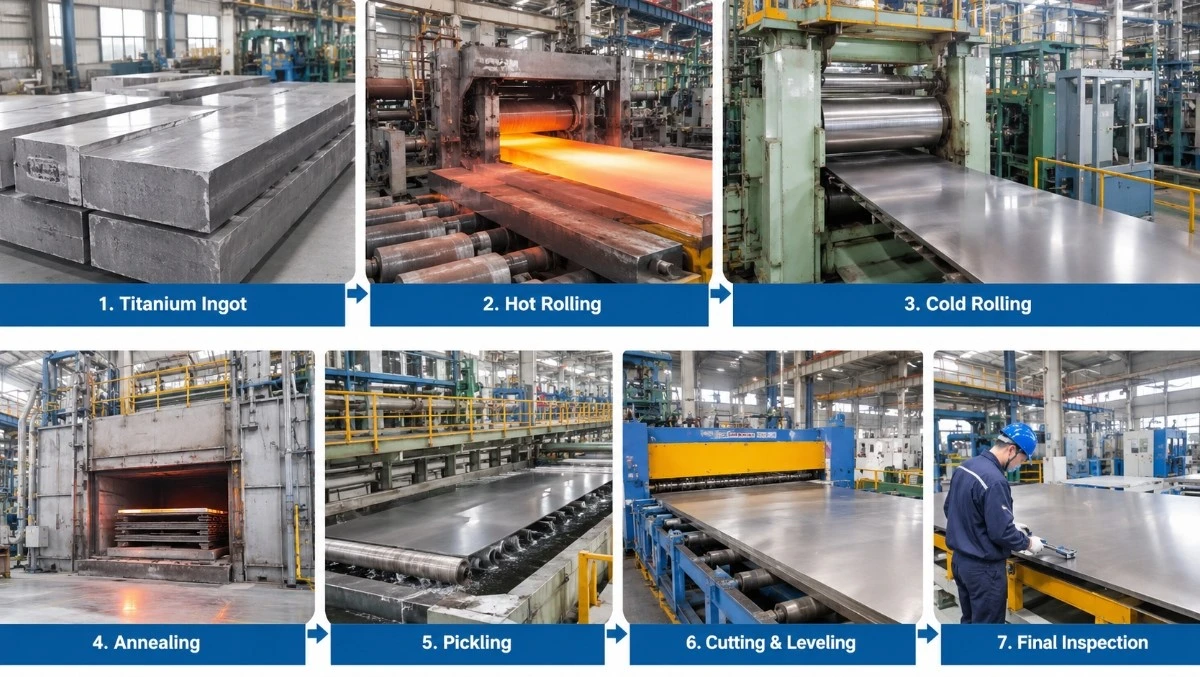
1. Titanium Ingot Preparation
Titanium ingots are prepared from qualified raw materials. Chemical composition control is essential because small changes in oxygen, nitrogen and iron content can affect the final properties.
2. Hot Rolling
Titanium slabs are heated and rolled to reduce thickness and produce the required plate dimensions.
3. Cold Rolling
Additional rolling is used for thinner sheets and improved dimensional control.
4. Annealing
The material undergoes controlled heat treatment to achieve the required mechanical condition.
5. Pickling and Surface Treatment
Oxide scale is removed, and the surface is treated according to the required finish.
6. Cutting and Leveling
Titanium plates are leveled and cut to the ordered dimensions.
7. Final Inspection
The finished products undergo dimensional, surface and mechanical inspections according to the applicable requirements.
Quality Inspection and Testing of GR1 Titanium Plate
For industrial buyers, material grade verification alone is not sufficient. Dimensional accuracy, surface quality and mechanical test results must also meet the purchase requirements.
We recommend checking the following inspection items before shipment.
| Inspection Item | Inspection Purpose |
|---|---|
| Chemical Composition Analysis | Verify Grade 1 chemical composition |
| Tensile Testing | Check tensile and yield strength |
| Elongation Testing | Verify material ductility |
| Thickness Measurement | Check plate thickness |
| Width and Length Measurement | Verify ordered dimensions |
| Surface Inspection | Identify scratches, cracks and visible defects |
| Ultrasonic Testing | Check internal defects when specified |
| Material Identification | Maintain grade and heat number traceability |
| MTC Verification | Confirm material test results and traceability |
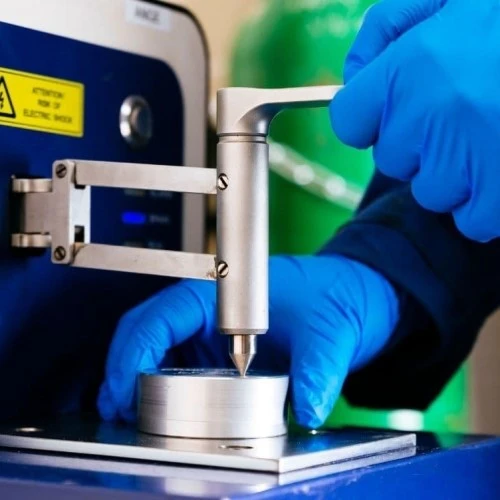
Chemical Analysis
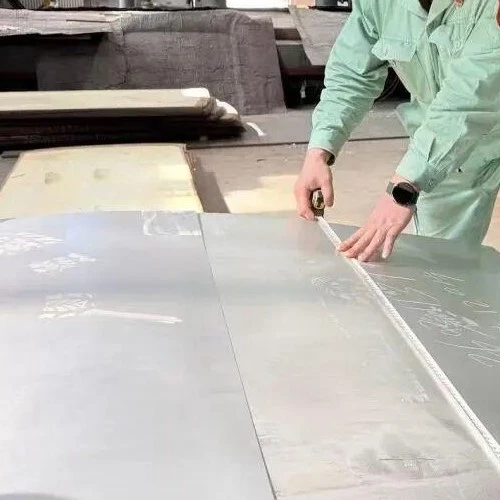
Dimensional Inspection
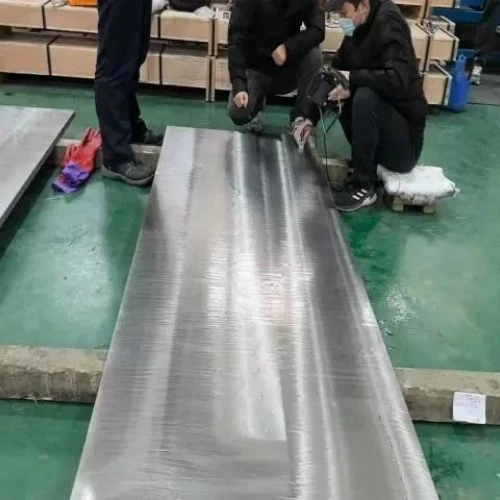
Surface Inspection
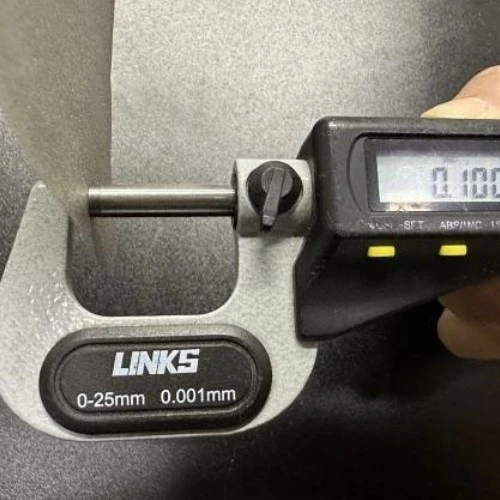
Thickness Tolerance
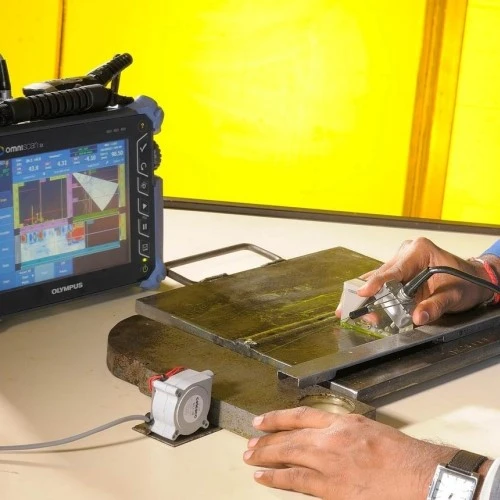
Ultrasonic Testing
Proper packaging helps prevent surface damage and deformation during transportation.
For export orders, titanium plates should be protected against scratches, moisture and contamination during storage and shipping.
Our Packaging Options
Protective Paper: Separates individual plates and helps prevent surface scratches.
Plastic Film: Provides additional surface protection during handling and transportation.
Wooden Pallets: Support the plates and facilitate forklift handling.
Export Wooden Crates: Provide protection during long-distance transportation.
Moisture Protection: Suitable protective materials are used to reduce exposure to moisture during shipment.
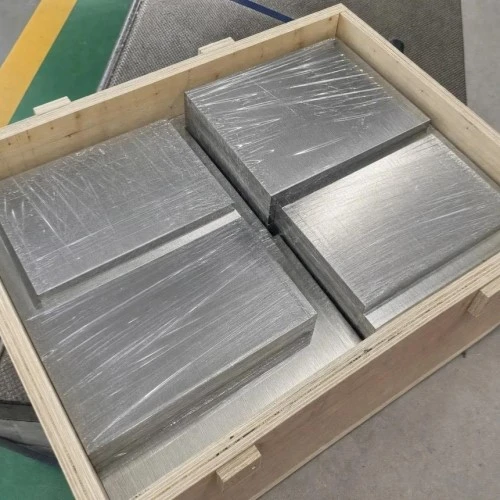
Titanium Plates Stacked Inside Wooden Crates
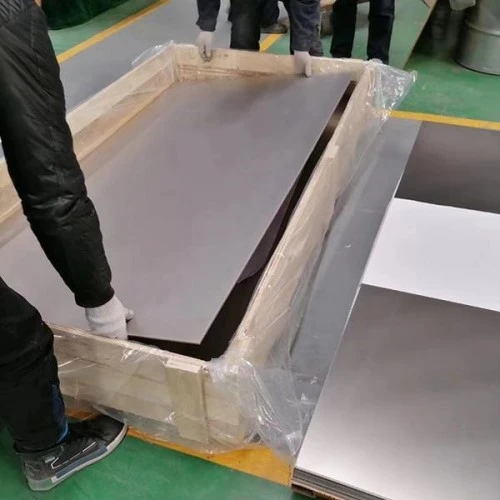
Protective Packaging for Titanium Plates Inside Wooden Crates
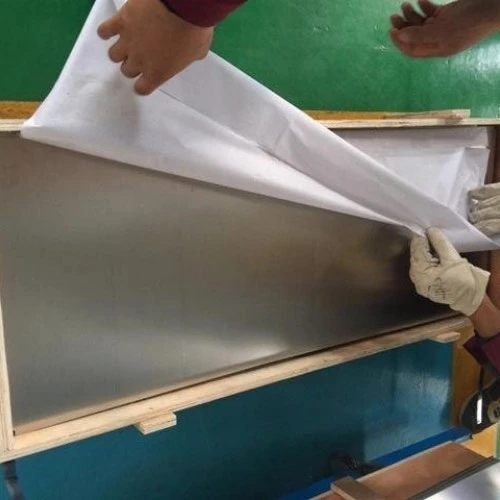
Titanium Plates Wrapped with Protective Paper
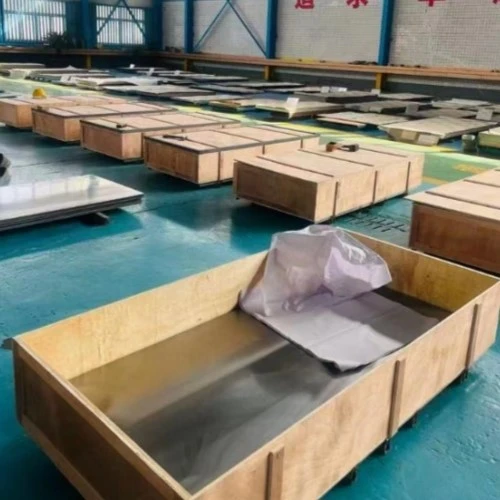
Titanium Plates Stored in Wooden Crates
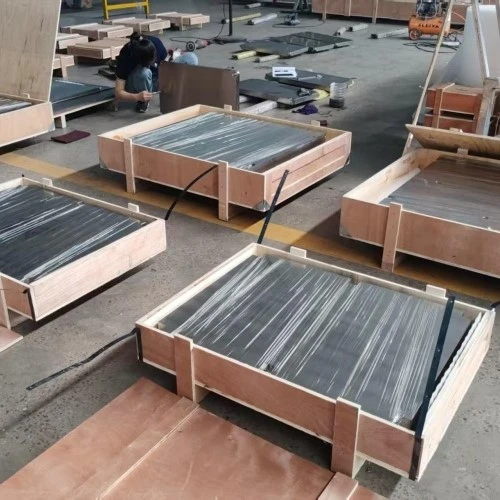
Titanium Plates Packed into Wooden Export Crates
Information Required for a Quotation
To help us prepare an accurate quotation, please provide:
| Information | Example |
|---|---|
| Material Grade | GR1 / UNS R50250 |
| Standard | ASTM B265 |
| Thickness | 2 mm / 5 mm / 10 mm |
| Width | 1000 mm |
| Length | 2000 mm |
| Quantity | Number of plates or total weight |
| Surface Finish | Pickled / Ground / Polished |
| Delivery Condition | Annealed |
| Certificate | EN 10204 3.1 |
| Destination | Country / Port |
Get a GR1 Titanium Plate Quotation
FAQ
Q: 1. Is Grade 1 Titanium the Same as GR1 Titanium?
A: Yes. Grade 1 and GR1 refer to the same commercially pure titanium grade. Its UNS designation is R50250.
Q: 2. What Is the ASTM Standard for Grade 1 Titanium Plate?
A: The main product standard is ASTM B265, which covers titanium and titanium alloy strip, sheet and plate. Grade 1 is identified as UNS R50250.
Q: 3. What Is the Difference Between GR1 Titanium Plate and GR1 Titanium Sheet?
A: The main difference is product thickness and form. Sheet generally refers to thinner rolled titanium products, while plate refers to thicker material. The exact product classification should be confirmed against the applicable standard and ordered dimensions.
Q: 4. Is Grade 1 Titanium Corrosion Resistant?
A: Yes. Grade 1 titanium offers excellent corrosion resistance in many oxidizing environments and chloride-containing media. Its suitability should still be evaluated against the actual operating temperature, chemical concentration and process conditions.
Q: 5. Can GR1 Titanium Plate Be Welded?
A: Yes. Grade 1 titanium has good weldability when proper welding procedures are followed. Clean surfaces and adequate inert gas shielding are essential to prevent contamination during welding.
Q: 6. Can Grade 1 Titanium Be Hardened by Heat Treatment?
A: No. Grade 1 commercially pure titanium is not hardenable through conventional quenching and aging. Annealing is mainly used to restore ductility and reduce residual stresses.
Q: 7. What Is the Density of GR1 Titanium Plate?
A: The density of Grade 1 titanium is approximately 4.51 g/cm³.
Q: 8. How Do You Calculate GR1 Titanium Plate Weight?
A: The theoretical weight can be calculated using the following formula:
Weight (kg) = Thickness (mm) × Width (mm) × Length (mm) × 4.51 ÷ 1,000,000
For example, a GR1 titanium plate measuring 5 mm × 1000 mm × 2000 mm has a theoretical weight of:
5 × 1000 × 2000 × 4.51 ÷ 1,000,000 = 45.1 kg
Actual delivered weight may vary slightly due to dimensional tolerances.
Q: 9. What Documents Are Supplied with GR1 Titanium Plate?
A: Typical documentation includes a material test certificate with chemical composition and mechanical test results. EN 10204 3.1 certification and additional inspection reports can be discussed according to project requirements.
Q: 10. How Do I Choose Between Grade 1 and Grade 2 Titanium Plate?
A: Choose Grade 1 when higher ductility and formability are important. Choose Grade 2 when higher mechanical strength is required. The final selection should be based on the design loads, forming requirements and service environment.
Hot Tags: grade 1 titanium plate, China grade 1 titanium plate manufacturers, suppliers, factory, titanium, Gr4 Medical Titanium Plate, Gr5 3D Printing Titanium Plate, Gr9 pure titanium plate, high quality titanium plate, Titanium Grade 2 Sheet, Titanium Plate Grade 5