


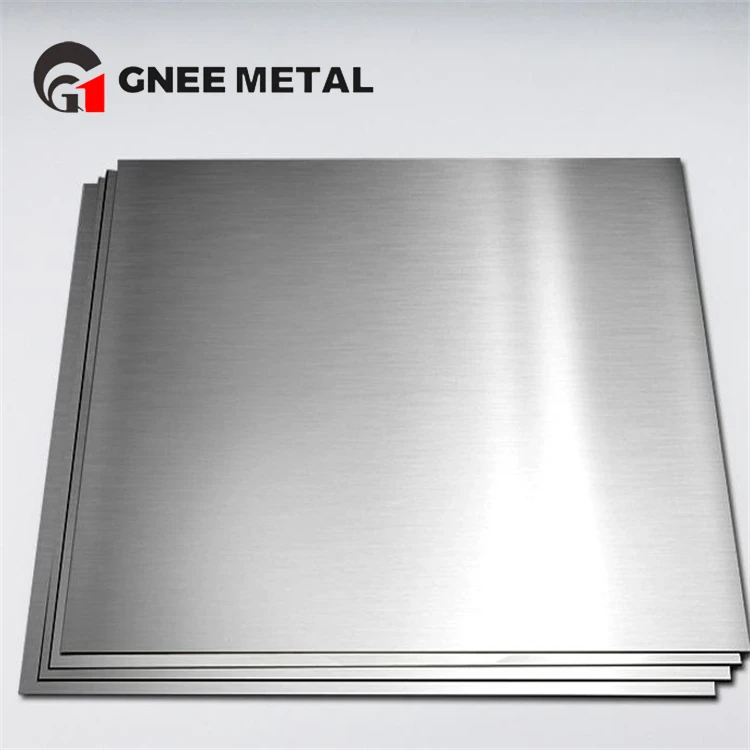
Cold Rolled Titanium Sheet
We supply cold rolled titanium sheets in commercially pure titanium and titanium alloy grades, including Grade 1, Grade 2, Grade 5, Grade 7, Grade 9, and Grade 12. Available options include different thicknesses, widths, surface finishes, and annealed delivery conditions for industrial fabrication and precision manufacturing.
Description
What Is Cold Rolled Titanium Sheet?
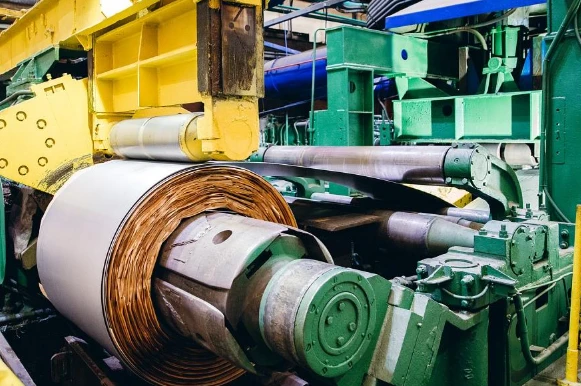
Cold Rolled Titanium Sheet is titanium sheet material processed through rolling at or near room temperature after hot rolling. The additional rolling process reduces the material thickness and improves dimensional consistency and surface quality.
Cold rolling is particularly useful for producing thin titanium sheets with controlled thickness, smoother surfaces, and more uniform sheet geometry. Depending on the titanium grade and subsequent heat treatment, the material can also provide suitable ductility for bending, stamping, and other forming operations.
Cold rolled titanium sheet is commonly supplied in annealed condition to restore ductility after cold deformation and obtain the required mechanical properties.
Key Characteristics of Cold Rolled Titanium Sheet
| Characteristic | Description | |
|---|---|---|
| Thin Gauge | Available in thin material thicknesses | Suitable for lightweight and compact components |
| Thickness Control | Additional rolling improves thickness consistency | Helps maintain dimensional requirements |
| Surface Quality | Generally smoother than hot rolled material before final finishing | Reduces surface preparation for some applications |
| Sheet Flatness | Controlled rolling and leveling can improve sheet geometry | Supports cutting and forming operations |
| Formability | Depends on grade, temper, and annealing condition | Suitable for various bending and forming processes |
| Material Performance | Retains the corrosion resistance and material characteristics of the selected titanium grade | Supports demanding industrial applications |
Cold Rolling Process of Titanium Sheet
Cold rolling is an additional processing stage used to reduce titanium sheet thickness and improve dimensional control. The process normally involves several operations, and the exact production route depends on the incoming material, target thickness, titanium grade, and required surface condition.
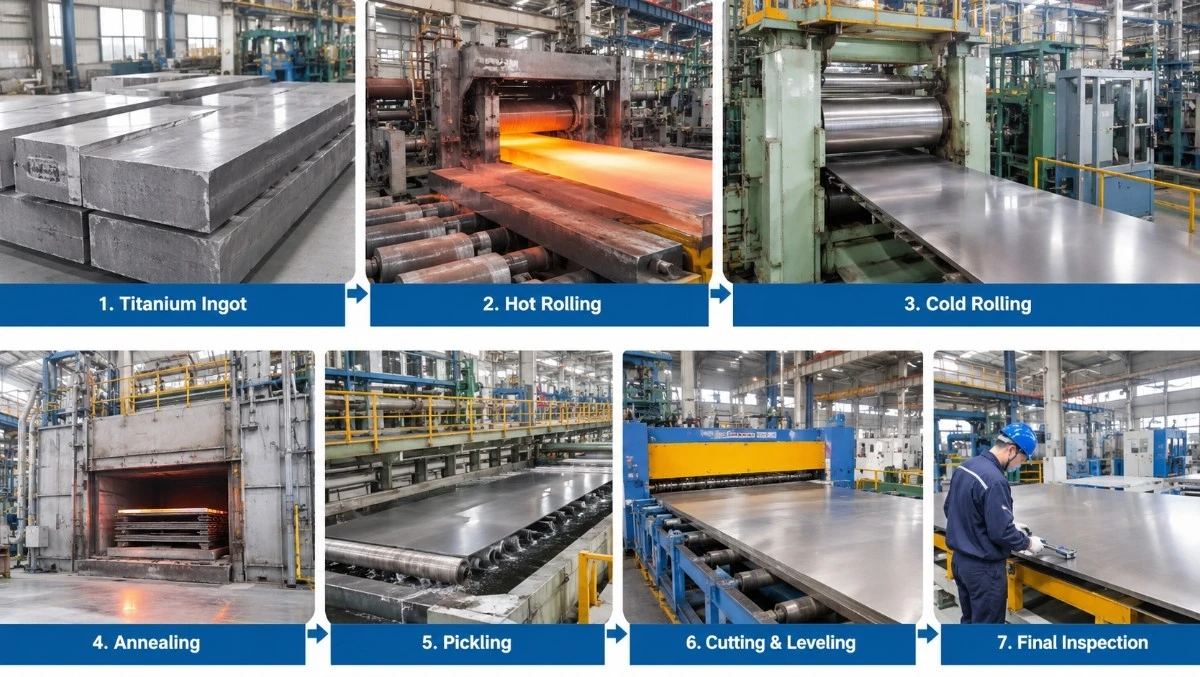
| Processing Stage | Process Description | Main Purpose |
|---|---|---|
| Hot Rolled Feedstock | Titanium material is first hot rolled into an intermediate sheet or coil | Provides material for subsequent cold rolling |
| Surface Preparation | Oxide scale and surface contamination are removed through suitable cleaning or pickling operations | Prepares the surface for cold rolling |
| Cold Rolling | Titanium sheet passes through rolling mills under controlled pressure | Reduces thickness and improves dimensional consistency |
| Intermediate Annealing | Heat treatment may be performed between rolling passes | Restores ductility and reduces work hardening |
| Final Annealing | Material is heat treated according to the required grade and condition | Obtains the required mechanical properties |
| Pickling and Cleaning | Surface oxides and residual contaminants are removed where required | Improves surface cleanliness |
| Leveling and Finishing | Sheet may undergo leveling, trimming, and final surface treatment | Improves flatness and finished appearance |
| Cutting and Inspection | Material is cut to size and inspected before packaging | Confirms dimensional and quality requirements |
Why Is Annealing Important After Cold Rolling?
Cold deformation increases dislocation density and work hardening in titanium. As a result, the material may become stronger but less ductile.
Annealing helps restore ductility and reduce residual stresses, making the sheet more suitable for subsequent forming operations. The required heat treatment depends on the titanium grade, thickness, and final delivery condition.
Cold Rolled Titanium Sheet vs. Hot Rolled Titanium Plate
Cold rolled titanium sheet and hot rolled titanium plate are produced through different rolling processes and are selected for different manufacturing requirements.
Cold rolled titanium sheet is generally preferred for thinner gauges, better dimensional control, and applications requiring improved surface quality. Hot rolled titanium plate is more commonly selected for thicker sections and heavy industrial fabrication.
Comparison of Cold Rolled and Hot Rolled Titanium
| Comparison Item | Cold Rolled Titanium Sheet | Hot Rolled Titanium Plate |
|---|---|---|
| Rolling Temperature | Rolled at or near room temperature | Rolled at elevated temperature |
| Typical Thickness Range | 0.3–4.75 mm | Commonly supplied in thicker sections |
| Thickness Control | Generally tighter dimensional control | Generally wider thickness tolerances |
| Surface Condition | Smoother surface after appropriate finishing | May retain oxide scale before descaling |
| Flatness | Can achieve improved sheet flatness through leveling | Depends on rolling and finishing operations |
| Work Hardening | More significant during cold deformation | Less work hardening from the rolling operation |
| Forming Performance | Depends on final annealing and grade | Depends on grade and delivery condition |
| Typical Processing | Bending, stamping, drawing, precision cutting | Heavy cutting, machining, welding, and fabrication |
| Common Applications | Thin formed parts, lightweight components, precision panels | Chemical equipment, industrial vessels, heavy components |
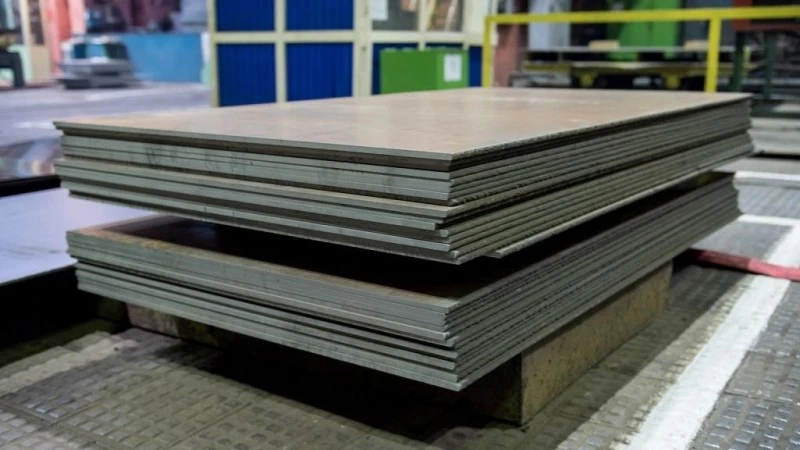
Hot Rolled Titanium Plate
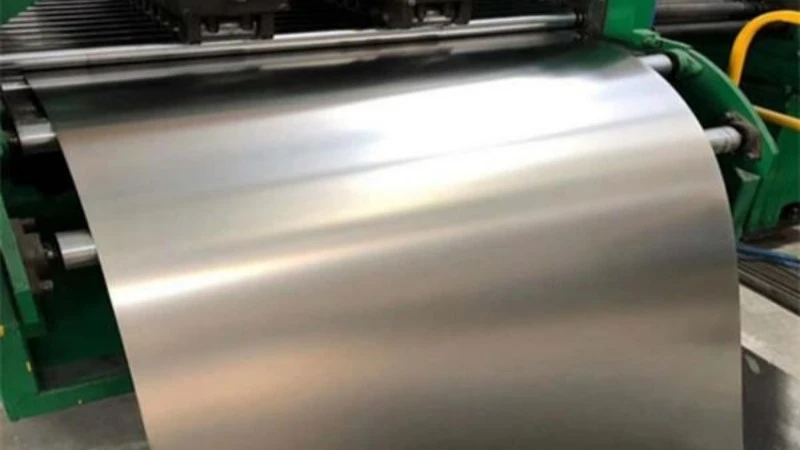
Cold Rolled Titanium Plate
When Should You Choose Cold Rolled Titanium Sheet?
Choose cold rolled titanium sheet when your project requires:
Thin and consistent material thickness for precision manufacturing.
Better surface quality for visible or surface-sensitive components.
Controlled dimensions for parts with defined thickness requirements.
Forming operations such as bending, stamping, and shallow drawing.
Lightweight material sections where reducing component weight is important.
Hot rolled titanium plate may be more suitable when the project requires thicker material, substantial machining allowance, or heavy industrial sections.
Send Your Required Material Thickness and Application
Cold Rolled Titanium Sheet Specifications
We supply cold rolled titanium sheets in different commercially pure titanium and titanium alloy grades. Thickness, width, length, surface condition, and delivery requirements can be selected according to the intended application.
Standard Product Specifications
| Parameter | Typical Supply Range / Options |
|---|---|
| Product | Cold Rolled Titanium Sheet |
| Material Grades | Grade 1, Grade 2, Grade 3, Grade 4, Grade 5, Grade 7, Grade 9, Grade 12, Grade 23 |
| Product Standard | ASTM B265 / ASME SB265 |
| Other Standard | GB/T 3621 |
| Thickness | 0.3–4.75 mm |
| Width | 300–1,500 mm |
| Length | 500–6,000 mm |
| Surface Finish | Cold Rolled, Pickled, Bright, Polished |
| Delivery Condition | Annealed; other conditions subject to grade and processing route |
| Edge Condition | Mill Edge, Slit Edge, Sheared Edge |
| Inspection Documents | Mill Test Certificate, EN 10204 3.1 when specified |
Common Cold Rolled Titanium Sheet Sizes
| Thickness (mm) | Common Width Options (mm) | Typical Supply Form |
|---|---|---|
| 0.3–0.5 | 300, 500, 600, 1,000 | Thin sheet |
| 0.6–1.0 | 300, 500, 600, 1,000, 1,220 | Thin sheet |
| 1.2–2.0 | 500, 600, 1,000, 1,220, 1,500 | Sheet |
| 2.5–3.0 | 600, 1,000, 1,220, 1,500 | Sheet |
| 3.5–4.75 | 600, 1,000, 1,220, 1,500 | Sheet |
The available length and width combinations depend on the material thickness and cutting method.
Standards for Cold Rolled Titanium Sheet
| Standard | Description |
|---|---|
| ASTM B265 | Standard Specification for Titanium and Titanium Alloy Strip, Sheet, and Plate |
| ASME SB265 | ASME-adopted specification for titanium and titanium alloy strip, sheet, and plate |
| GB/T 3621 | Chinese standard for titanium and titanium alloy plates and sheets |
ASTM B265 is the principal product specification for titanium sheet and plate. It covers chemical composition, mechanical properties, dimensional tolerances, and other product requirements. Buyers should specify the required grade, cold rolled condition, dimensions, and finish when placing an order.
Send Your Required Sheet Dimensions
Thickness Tolerances and Dimensional Accuracy
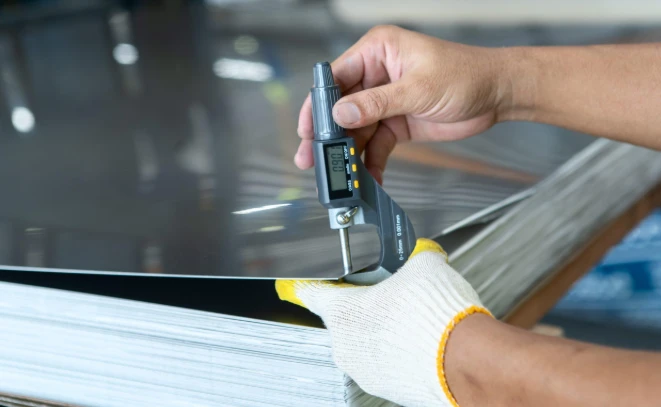
Thickness tolerance is one of the most important purchasing considerations for cold rolled titanium sheet. Even small thickness variations can affect component weight, forming dimensions, machining allowances, and assembly accuracy.
Thickness Tolerance Reference
The following values illustrate the cold rolled sheet thickness tolerance values shown in ASTM B265-25 for specified thickness ranges.
| Specified Thickness (mm) | Permissible Variation (± mm) |
|---|---|
| 0.13 | 0.03 |
| 0.15–0.18 | 0.04 |
| 0.20–0.41 | 0.05 |
| 0.43–0.66 | 0.08 |
| 0.69–1.02 | 0.10 |
| 1.04–1.47 | 0.13 |
| 1.50–1.83 | 0.15 |
| 1.85–2.11 | 0.18 |
| 2.13–2.49 | 0.20 |
| 2.51–2.90 | 0.23 |
| 2.92–3.30 | 0.25 |
| 3.33–3.68 | 0.31 |
| 3.71–less than 4.76 | 0.36 |
Cold Rolled Titanium Sheet Thickness and Dimensional Specifications
Discuss Your Thickness and Tolerance Requirements
Surface Quality and Finishes of Cold Rolled Titanium Sheet
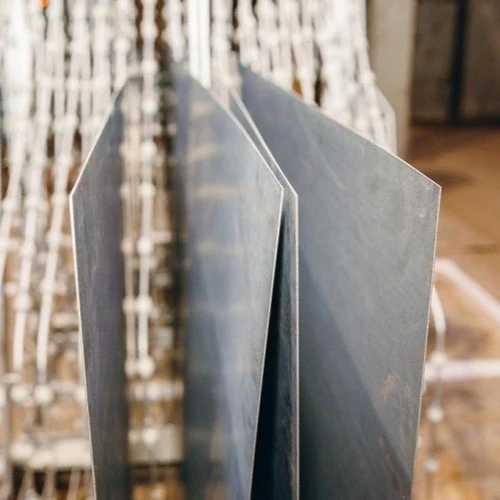
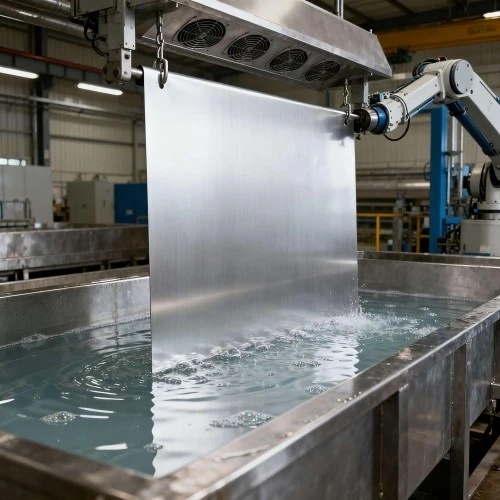
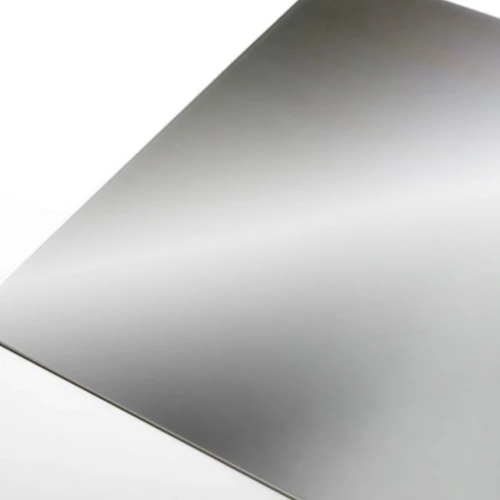
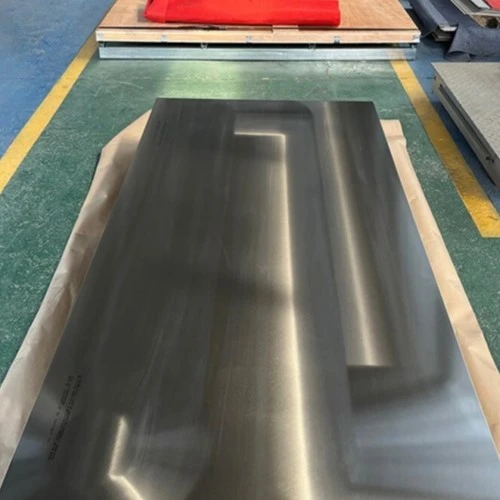
Surface quality is important for cold rolled titanium sheet, especially when the material will be used for visible components, precision forming, or applications requiring further coating or welding.
The final surface condition depends on the rolling process, annealing atmosphere, descaling, pickling, and any subsequent finishing operations.
Common Surface Finishes
| Surface Finish | Processing Method | Surface Characteristics | Typical Applications |
|---|---|---|---|
| Cold Rolled Surface | Obtained after cold rolling and subsequent processing | Relatively smooth and uniform surface | General industrial fabrication |
| Pickled Surface | Chemical treatment removes oxide scale | Clean metallic appearance, generally matte | Chemical equipment, formed components |
| Bright Surface | Produced through controlled surface processing and finishing | Brighter metallic appearance | Components requiring a brighter surface |
| Polished Surface | Mechanical or other finishing processes | Improved surface smoothness and appearance | Decorative and precision components |
Titanium Grades and Cold Forming Characteristics
Cold rolled titanium sheets are available in commercially pure titanium and titanium alloy grades. The selection should consider not only corrosion resistance and strength, but also the amount of deformation required during forming.
Commercially pure titanium grades generally offer good ductility and formability, while higher-strength titanium alloys may require more careful control of forming conditions, bend radius, and material condition.
Common Titanium Grades
| Grade | Material Type | Main Characteristics | Typical Applications |
|---|---|---|---|
| Grade 1 | Commercially Pure Titanium | Excellent ductility and formability | Deep-formed parts, chemical equipment |
| Grade 2 | Commercially Pure Titanium | Balanced strength, corrosion resistance, and formability | Industrial panels, heat exchanger components |
| Grade 3 | Commercially Pure Titanium | Higher strength than Grades 1 and 2 | Industrial formed components |
| Grade 4 | Commercially Pure Titanium | High strength among commercially pure grades | Structural and industrial components |
| Grade 5 | Ti-6Al-4V | High strength-to-weight ratio | Aerospace and engineering parts |
| Grade 7 | Pd-Modified Titanium | Improved corrosion resistance in certain reducing environments | Chemical processing components |
| Grade 9 | Ti-3Al-2.5V | Good strength with useful formability | Lightweight engineering components |
| Grade 12 | Ti-0.3Mo-0.8Ni | Improved resistance to crevice corrosion in certain environments | Heat exchangers and chemical equipment |
| Grade 23 | Ti-6Al-4V ELI | High fracture toughness and ductility compared with standard Grade 5 | Aerospace and specialized components |
Which Titanium Grade Is Suitable for Forming?
| Forming Requirement | Grades to Consider | Selection Notes |
|---|---|---|
| High Ductility | Grade 1, Grade 2 | Suitable starting options for bending and forming |
| Higher Strength with Good Formability | Grade 3, Grade 4 | Consider forming force and bend radius |
| High Strength-to-Weight Ratio | Grade 5, Grade 23 | Requires careful forming design and processing control |
| Corrosion Resistance | Grade 2, Grade 7, Grade 12 | Select according to the actual chemical environment |
| Lightweight Tubular or Formed Components | Grade 9 | Useful balance of strength and formability |
The final forming performance depends on the material condition, thickness, grain structure, forming direction, tooling, and bend radius. A grade should not be selected based on tensile strength alone.
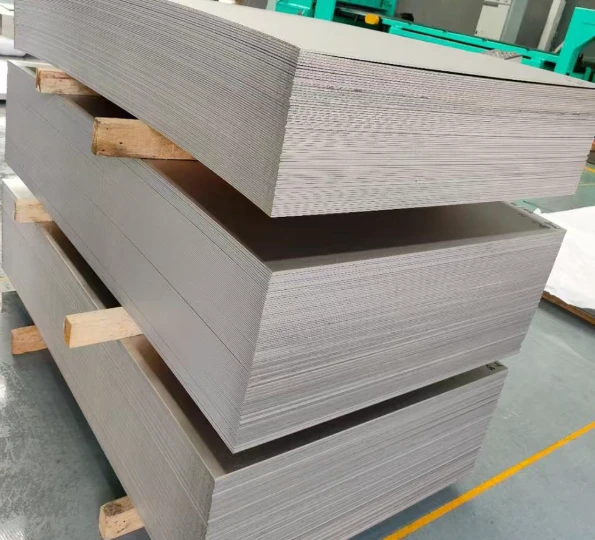
Commercially Pure and Titanium Alloy Cold Rolled Sheets
Discuss Your Titanium Grade Selection
Mechanical Properties of Cold Rolled Titanium Sheet
Mechanical properties determine how titanium sheet performs under tensile loading, bending, and other forming operations.
For cold rolled titanium sheet supplied in annealed condition, the mechanical properties are generally evaluated according to the specified grade and product standard.
Typical Mechanical Property Reference
| Grade | Tensile Strength (MPa) | Yield Strength, 0.2% Offset (MPa) | Elongation (%) |
|---|---|---|---|
| Grade 1 | ≥240 | ≥170 | ≥24 |
| Grade 2 | ≥345 | ≥275 | ≥20 |
| Grade 3 | ≥450 | ≥380 | ≥18 |
| Grade 4 | ≥550 | ≥483 | ≥15 |
| Grade 5 | ≥895 | ≥828 | ≥10 |
| Grade 7 | ≥345 | ≥275 | ≥20 |
| Grade 9 | ≥620 | ≥483 | ≥15 |
| Grade 12 | ≥483 | ≥345 | ≥18 |
| Grade 23 | ≥895 | ≥828 | ≥10 |
Flatness, Edge Conditions and Sheet Quality
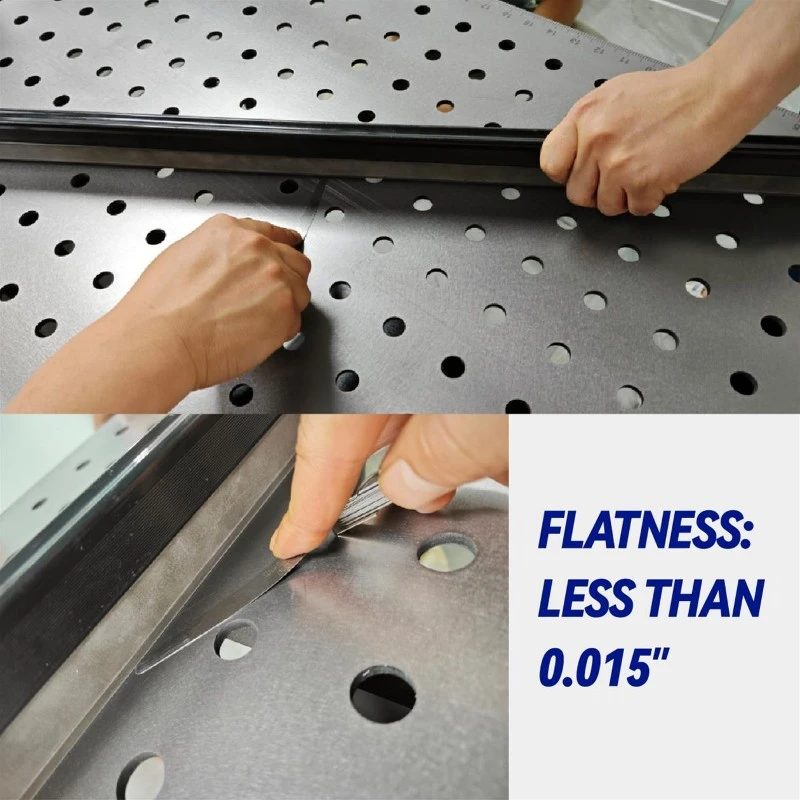
Flatness and edge quality are important for cold rolled titanium sheets used in precision cutting, stamping, and component manufacturing.
A sheet may meet its nominal thickness requirement but still cause processing problems if it has excessive waviness, edge distortion, burrs, or localized surface damage.
Flatness and Sheet Geometry
| Quality Item | Description | Buyer Consideration |
|---|---|---|
| Overall Flatness | General flatness of the sheet surface | Important for laser cutting and fixture positioning |
| Edge Wave | Waviness along the sheet edges | May affect feeding and forming |
| Center Buckle | Localized waviness in the central area | Can cause problems during sheet handling |
| Camber | Curvature along the length of a sheet edge | Important for straight cutting and alignment |
| Squareness | Accuracy of the relationship between adjacent edges | Important for rectangular parts |
| Residual Stress | Internal stress remaining after rolling and processing | May contribute to distortion during cutting |
Edge Conditions
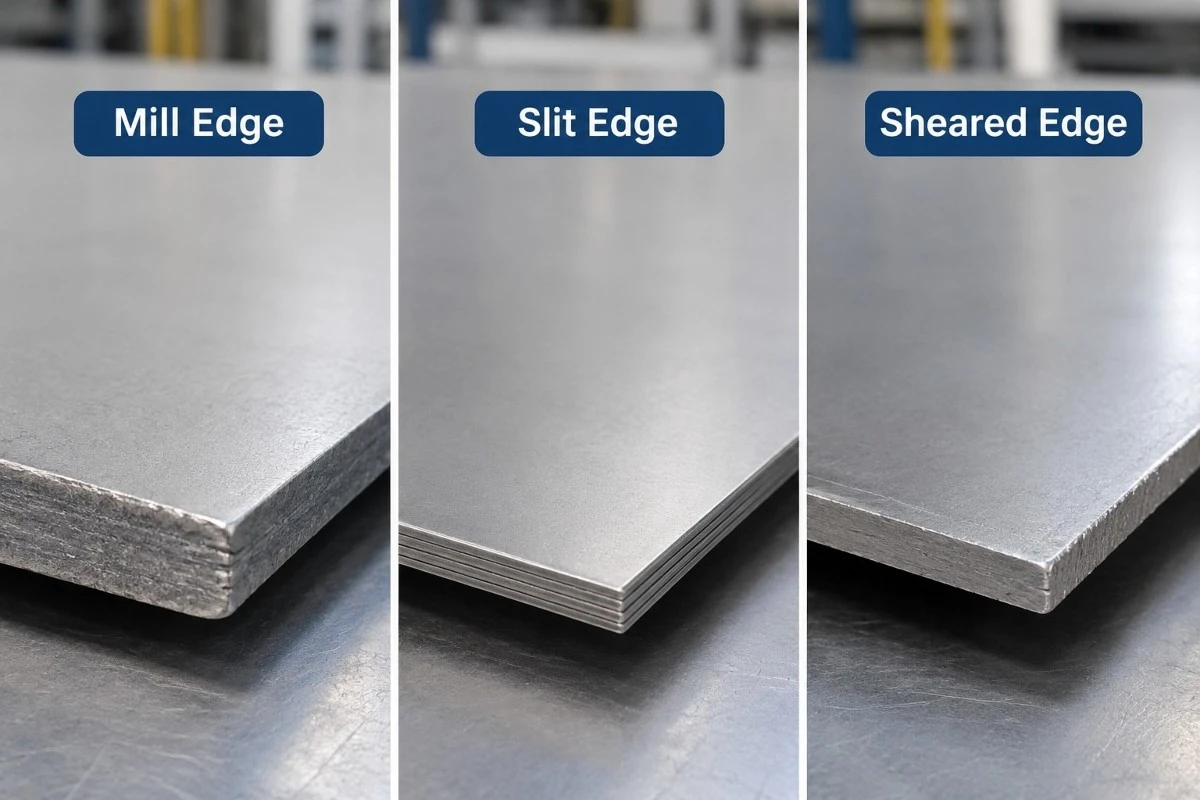
| Edge Type | Description | Typical Use |
|---|---|---|
| Mill Edge | Original rolled edge | Applications where the original edge is acceptable |
| Slit Edge | Edge produced by slitting | Narrow-width sheet and strip applications |
| Sheared Edge | Edge produced by mechanical shearing | Cut-to-size sheet applications |
For precision components, buyers should specify the required edge condition and whether deburring or additional edge finishing is necessary.
Forming and Fabrication of Cold Rolled Titanium Sheet
Cold rolled titanium sheet is used in a variety of forming and fabrication processes. The appropriate method depends on the titanium grade, thickness, material condition, component geometry, and required surface quality.
Common Fabrication Methods
| Process | Description | Important Considerations |
|---|---|---|
| Bending | Forms the sheet into angles, channels, or curved sections | Select a suitable bend radius and forming direction |
| Stamping | Uses dies and presses to produce shaped components | Consider material ductility, die clearance, and springback |
| Deep Drawing | Forms flat sheet into cup-shaped or hollow components | Grade selection and lubrication are important |
| Shearing | Cuts sheet into required dimensions using mechanical shears | Check edge quality and burr formation |
| Laser Cutting | Uses a focused laser beam to cut sheet profiles | Control heat input and prevent contamination |
| TIG Welding | Joins titanium sheet using a controlled welding process | Protect the hot weld area from oxygen and contamination |
| Machining | Removes material to achieve final dimensions | Use suitable tools and cutting conditions |
Forming Considerations for Titanium Sheet
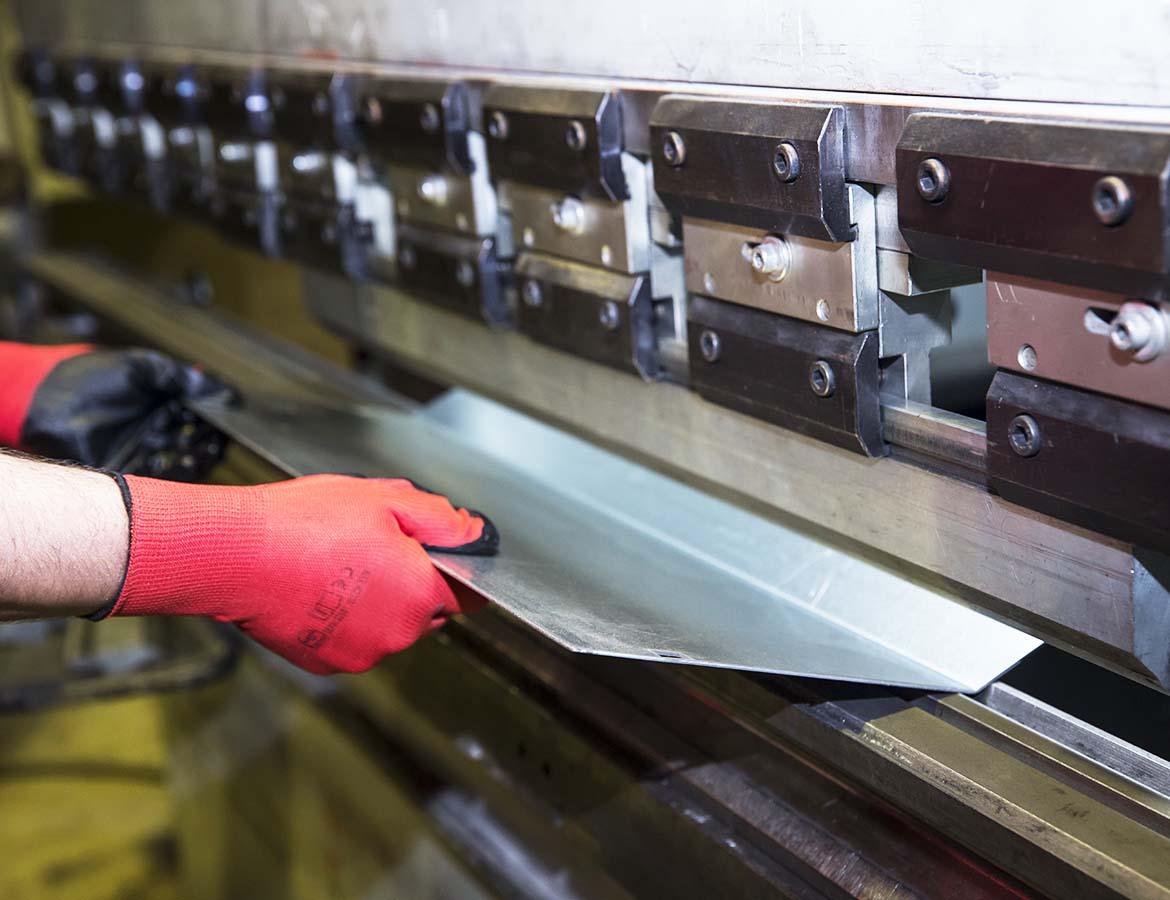
1. Bend Radius
Titanium sheet requires an appropriate bend radius to avoid cracking. The minimum bend radius depends on grade, thickness, temper, surface condition, and forming direction.
2. Springback
Titanium can exhibit noticeable springback during bending. Tooling and bending angles may need adjustment to achieve the required final geometry.
3. Surface Protection
Scratches and contamination can affect forming quality. Keep the sheet surface clean and protect it from damage during handling.
4. Edge Preparation
Sharp edges and burrs can initiate cracks during forming. Proper edge finishing is recommended before demanding bending operations.
5. Welding Protection
Titanium reacts readily with oxygen and nitrogen at elevated temperatures. Welding requires suitable shielding of the weld pool and hot surrounding material.
Discuss Your Forming and Fabrication Requirements
Applications of Cold Rolled Titanium Sheet
Cold rolled titanium sheet is selected for components requiring a combination of thin material sections, corrosion resistance, controlled dimensions, and suitable forming performance.
Main Application Industries
| Industry | Typical Components | Common Titanium Grades |
|---|---|---|
| Chemical Processing | Equipment panels, corrosion-resistant linings, formed chemical components | Grade 2, Grade 7, Grade 12 |
| Aerospace | Aircraft panels, formed structural components, lightweight parts | Grade 5, Grade 23 |
| Marine Engineering | Seawater equipment panels, corrosion-resistant covers, formed components | Grade 2, Grade 7 |
| Medical and Biomedical | Device housings, formed components, instrument parts | Grade 1, Grade 2, Grade 5, Grade 23 |
| Automotive and EV | Lightweight formed parts, high-performance components | Grade 2, Grade 5, Grade 9 |
| Industrial Equipment | Protective panels, equipment housings, lightweight fabricated parts | Grade 1, Grade 2, Grade 5 |
Quality Inspection, Packaging and Delivery
Quality Inspection and Testing

Chemical Analysis
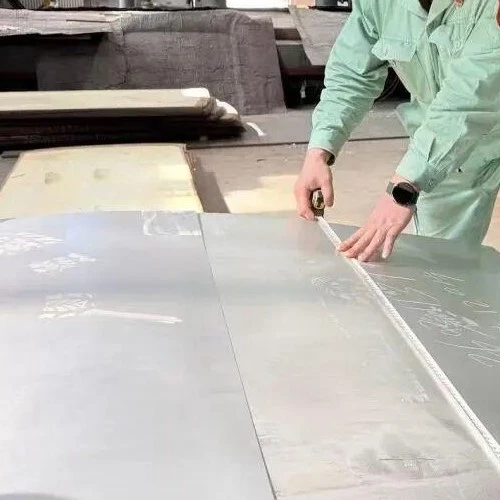
Dimensional Inspection
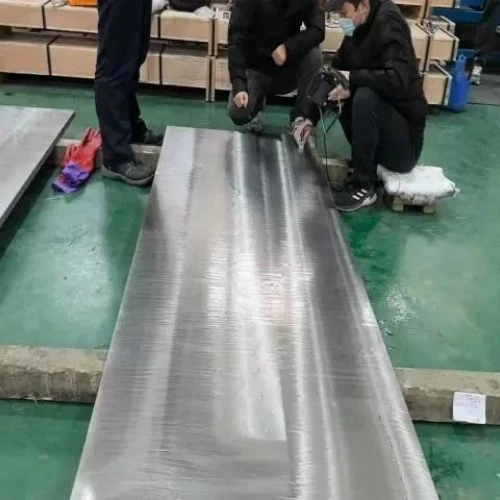
Surface Inspection
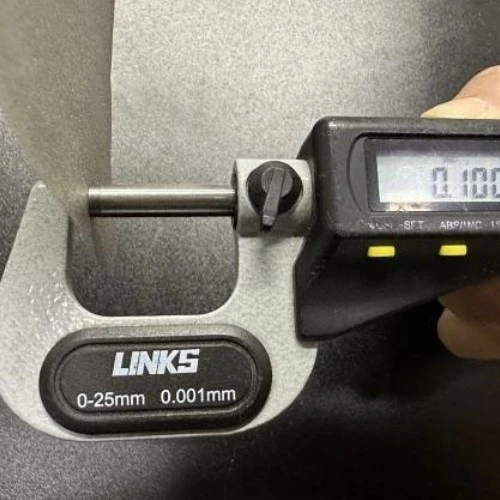
Thickness Tolerance
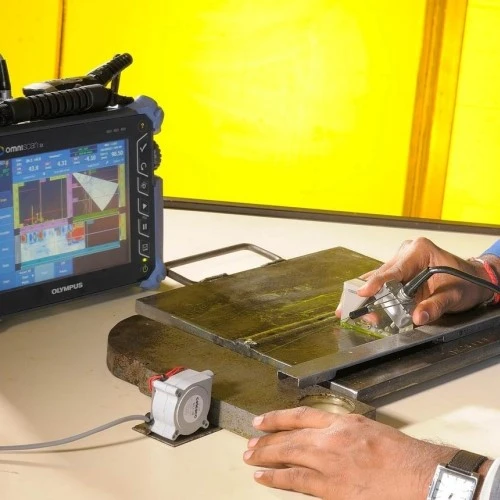
Ultrasonic Testing
| Inspection Item | Inspection Method | Purpose |
|---|---|---|
| Chemical Composition | Spectrometric or other approved chemical analysis | Confirms titanium grade and alloy composition |
| Tensile Testing | Tensile testing machine | Measures tensile strength, yield strength, and elongation |
| Bend Testing | Specified bend test | Evaluates sheet ductility and bend performance |
| Thickness Inspection | Micrometer or digital thickness gauge | Checks thickness and dimensional consistency |
| Width and Length | Measuring tape, caliper, or dimensional tools | Confirms finished sheet dimensions |
| Surface Inspection | Visual inspection under suitable lighting | Checks scratches, pits, stains, and other visible defects |
| Flatness Inspection | Straightedge, measuring table, or agreed inspection method | Evaluates sheet geometry |
| Hardness Testing | Suitable hardness testing equipment | Checks material condition when required |
| Material Certification | Mill Test Certificate | Records chemical and mechanical test results |
Packaging of Cold Rolled Titanium Sheet
Titanium sheet surfaces should be protected during handling, storage, and international transportation.
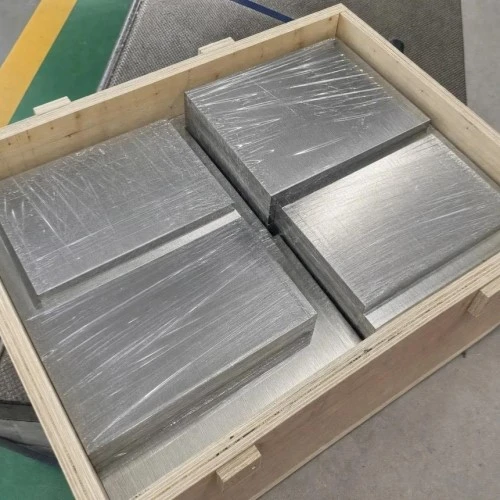
Titanium Plates Stacked Inside Wooden Crates
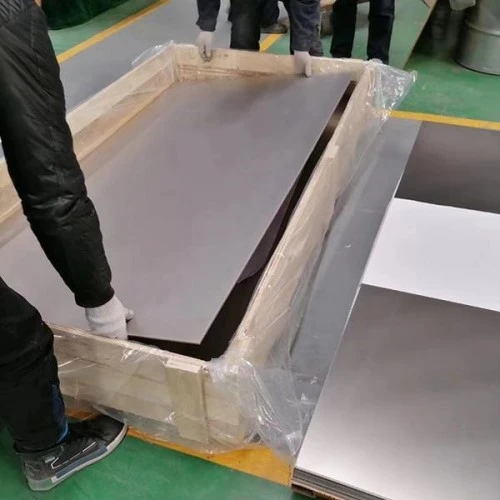
Protective Packaging for Titanium Plates Inside Wooden Crates
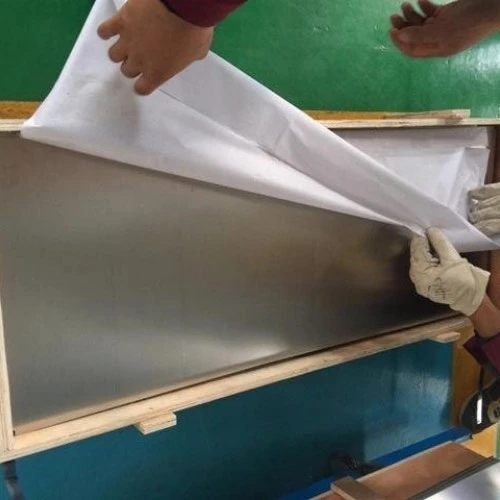
Titanium Plates Wrapped with Protective Paper
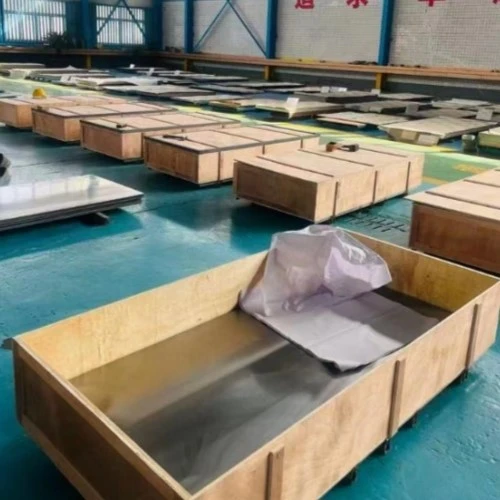
Titanium Plates Stored in Wooden Crates
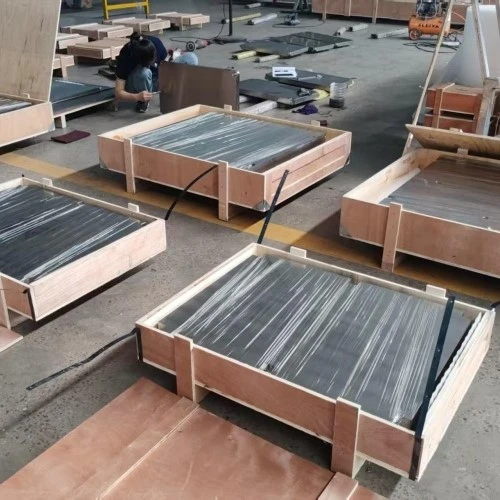
Titanium Plates Packed into Wooden Export Crates
Common packaging measures include:
Surface Protection: Protective paper, film, or other suitable interleaving materials between sheets.
Moisture Protection: Suitable wrapping to reduce exposure to moisture during transportation.
Edge Protection: Protective materials to reduce edge damage during handling.
Wooden Cases: Strong export wooden cases or crates for secure transportation.
Identification Labels: Product grade, dimensions, quantity, and order information.
FAQ
Q: What Is the Difference Between Cold Rolled and Hot Rolled Titanium Sheet?
A: Cold rolled titanium sheet undergoes additional rolling at or near room temperature after hot rolling. It generally offers thinner gauges, better dimensional control, and a smoother surface. Hot rolled titanium plate is more commonly used for thicker material sections and heavy industrial fabrication.
Q: What Is the Typical Thickness of Cold Rolled Titanium Sheet?
A: Cold rolled titanium sheet is commonly supplied in thin gauges, with a commercial reference range of approximately 0.3–4.75 mm. Actual available thickness depends on titanium grade, sheet width, and production capability.
Q: Which Titanium Grades Are Available in Cold Rolled Sheets?
A: Common grades include Grade 1, Grade 2, Grade 3, Grade 4, Grade 5, Grade 7, Grade 9, Grade 12, and Grade 23. Grade selection depends on strength, corrosion resistance, formability, and the intended application.
Q: Does Cold Rolled Titanium Sheet Have Better Surface Quality?
A: Cold rolling generally produces a smoother and more uniform surface than hot rolling. However, the final surface condition also depends on annealing, pickling, cleaning, and finishing processes.
Q: Is Cold Rolled Titanium Sheet Suitable for Bending and Stamping?
A: Yes. Cold rolled titanium sheet can be used for bending, stamping, and other forming processes. The final forming performance depends on the grade, thickness, annealed condition, bend radius, and tooling design.
Q: What Standard Is Used for Cold Rolled Titanium Sheet?
A: ASTM B265 is a widely used specification for titanium and titanium alloy strip, sheet, and plate. It covers material grades, chemical composition, mechanical properties, and dimensional requirements.
Q: Can Cold Rolled Titanium Sheet Be Supplied with Custom Dimensions?
A: Yes, sheets can be supplied in different thicknesses, widths, and cut lengths subject to production capability. Buyers should provide the required dimensions, grade, quantity, and tolerance requirements when requesting a quotation.
Q: What Information Should I Provide When Requesting a Quotation?
A: To help us evaluate your requirements, please provide:
Titanium grade
Required thickness
Sheet width and length
Required quantity
Surface finish
Applicable standard
Delivery and inspection requirements
Intended application or fabrication process
Send Your RFQ and Technical Requirements
Hot Tags: cold rolled titanium sheet, China cold rolled titanium sheet manufacturers, suppliers, factory, titanium, 2mm Titanium Sheet, Gr1 Titanium Sheet Metal, Gr5 pure titanium sheet, pure Gr4 titanium plate, pure Gr9 titanium sheet, Titanium Plate


